A superb bronze group depicting a seated nude muse resting against a stylized fountain base, by the celebrated French sculptor Jean-Baptiste Hugues (1849–1930). The figure sits in a relaxed contrapposto pose, one leg drawn up onto the plinth, gazing downward toward the water's source at her feet — a composition Hugues first exhibited in plaster at the Salon of 1893, later acquired in bronze and marble editions by the Musée d'Orsay and other French national collections.
This example was cast by the renowned Parisian foundry Siot-Decauville in the 1920s, signed "Jean Hugues" and bearing the foundry's stamp and edition numbering. The sculpture is finished in a striking Art Deco green patina, a departure from the more common brown or gilt finishes of earlier casts, giving the piece a bold, modern presence. The base is decorated with foliage and rocks upon which sits a plinth with relief panels of mythological dancers and figures and stylized wave motifs, framing a central geometric medallion and a water fountain with a bacchus satyr mask from which sprouts the source.
Jean-Baptiste Hugues was born in Marseille in 1849 and trained at the École des Beaux-Arts before winning the Grand Prix de Rome in 1875. He went on to become a professor at the École Nationale des Beaux-Arts and was named Officer of the Legion of Honor in 1903. His work is held in numerous French national museums, including the Musée d'Orsay.
Dimensions: 55 x 48 x 23 cm
Maker: Jean-Baptiste Hugues, cast by Siot-Decauville, Paris
Period: 1920s
Marks: Signed "Jean Hugues" and stamped with Siot-Decauville foundry mark and numbered
Condition: Very good
Jean-Baptiste Hugues (1849–1930)
Jean-Baptiste Dominique Hugues was born in Marseille in 1849. He studied sculpture at the École des Beaux-Arts in Marseille before continuing his training in Paris, where he was awarded the Grand Prix de Rome in 1875 and stayed at the Villa Medici from 1876 to 1879. This prestigious prize marked him as one of the most promising sculptors of his generation and gave him access to Rome's classical and Renaissance heritage, an influence that would shape his elegant, academically-grounded style throughout his career.
He was later appointed professor and member of the Board of Governors of the École Nationale des Beaux-Arts, and was named Officer of the Legion of Honor in 1903. Hugues exhibited widely at the Paris Salons, earning gold medals at the Expositions Universelles of 1889 and 1900. His most celebrated work, La Muse de la Source, was first shown as a plaster model at the 1893 Salon, with the marble version acquired by the French state the following year. Today his work is held in major French institutions, including the Musée d'Orsay, and his public sculptures include L'Homme et la Misère (1907) in the Jardin des Tuileries and allegorical figures adorning the façade of the Gare d'Orsay.
Hugues died in 1930, leaving behind a body of work that captures the refined, classically-inspired sensibility of the Third Republic era.
Siot-Decauville Foundry
Siot-Decauville was one of the leading Parisian art foundries of the late 19th and early 20th centuries, renowned for its high-quality lost-wax and sand-cast bronzes produced in collaboration with the era's most celebrated sculptors. The foundry became a preferred editor for academic and Beaux-Arts sculptors of the period, producing editions after works first exhibited at the official Salons — including pieces by Jean-Baptiste Hugues, among others.
Siot-Decauville bronzes are prized by collectors for their crisp casting detail, rich and varied patinas (ranging from traditional dark browns to more unusual finishes, as seen in this Art Deco green example), and reliable foundry marks and numbering, which allow pieces to be authenticated and dated with confidence. Their editions bridge the gap between unique Salon sculpture and the broader market for fine decorative bronzes, making them highly sought after in the antiques and fine art trade today.
Offered by RDS Gallery, Paris. Worldwide shipping with specialist packaging.
A superb bronze group depicting a seated nude muse resting against a stylized fountain base, by the celebrated French sculptor Jean-Baptiste Hugues (1849–1930). The figure sits in a relaxed contrapposto pose, one leg drawn up onto the plinth, gazing downward toward the water's source at her feet — a composition Hugues first exhibited in plaster at the Salon of 1893, later acquired in bronze and marble editions by the Musée d'Orsay and other French national collections.
This example was cast by the renowned Parisian foundry Siot-Decauville in the 1920s, signed "Jean Hugues" and bearing the foundry's stamp and edition numbering. The sculpture is finished in a striking Art Deco green patina, a departure from the more common brown or gilt finishes of earlier casts, giving the piece a bold, modern presence. The base is decorated with foliage and rocks upon which sits a plinth with relief panels of mythological dancers and figures and stylized wave motifs, framing a central geometric medallion and a water fountain with a bacchus satyr mask from which sprouts the source.
Jean-Baptiste Hugues was born in Marseille in 1849 and trained at the École des Beaux-Arts before winning the Grand Prix de Rome in 1875. He went on to become a professor at the École Nationale des Beaux-Arts and was named Officer of the Legion of Honor in 1903. His work is held in numerous French national museums, including the Musée d'Orsay.
Dimensions: 55 x 48 x 23 cm
Maker: Jean-Baptiste Hugues, cast by Siot-Decauville, Paris
Period: 1920s
Marks: Signed "Jean Hugues" and stamped with Siot-Decauville foundry mark and numbered
Condition: Very good
Jean-Baptiste Hugues (1849–1930)
Jean-Baptiste Dominique Hugues was born in Marseille in 1849. He studied sculpture at the École des Beaux-Arts in Marseille before continuing his training in Paris, where he was awarded the Grand Prix de Rome in 1875 and stayed at the Villa Medici from 1876 to 1879. This prestigious prize marked him as one of the most promising sculptors of his generation and gave him access to Rome's classical and Renaissance heritage, an influence that would shape his elegant, academically-grounded style throughout his career.
He was later appointed professor and member of the Board of Governors of the École Nationale des Beaux-Arts, and was named Officer of the Legion of Honor in 1903. Hugues exhibited widely at the Paris Salons, earning gold medals at the Expositions Universelles of 1889 and 1900. His most celebrated work, La Muse de la Source, was first shown as a plaster model at the 1893 Salon, with the marble version acquired by the French state the following year. Today his work is held in major French institutions, including the Musée d'Orsay, and his public sculptures include L'Homme et la Misère (1907) in the Jardin des Tuileries and allegorical figures adorning the façade of the Gare d'Orsay.
Hugues died in 1930, leaving behind a body of work that captures the refined, classically-inspired sensibility of the Third Republic era.
Siot-Decauville Foundry
Siot-Decauville was one of the leading Parisian art foundries of the late 19th and early 20th centuries, renowned for its high-quality lost-wax and sand-cast bronzes produced in collaboration with the era's most celebrated sculptors. The foundry became a preferred editor for academic and Beaux-Arts sculptors of the period, producing editions after works first exhibited at the official Salons — including pieces by Jean-Baptiste Hugues, among others.
Siot-Decauville bronzes are prized by collectors for their crisp casting detail, rich and varied patinas (ranging from traditional dark browns to more unusual finishes, as seen in this Art Deco green example), and reliable foundry marks and numbering, which allow pieces to be authenticated and dated with confidence. Their editions bridge the gap between unique Salon sculpture and the broader market for fine decorative bronzes, making them highly sought after in the antiques and fine art trade today.
Offered by RDS Gallery, Paris. Worldwide shipping with specialist packaging.
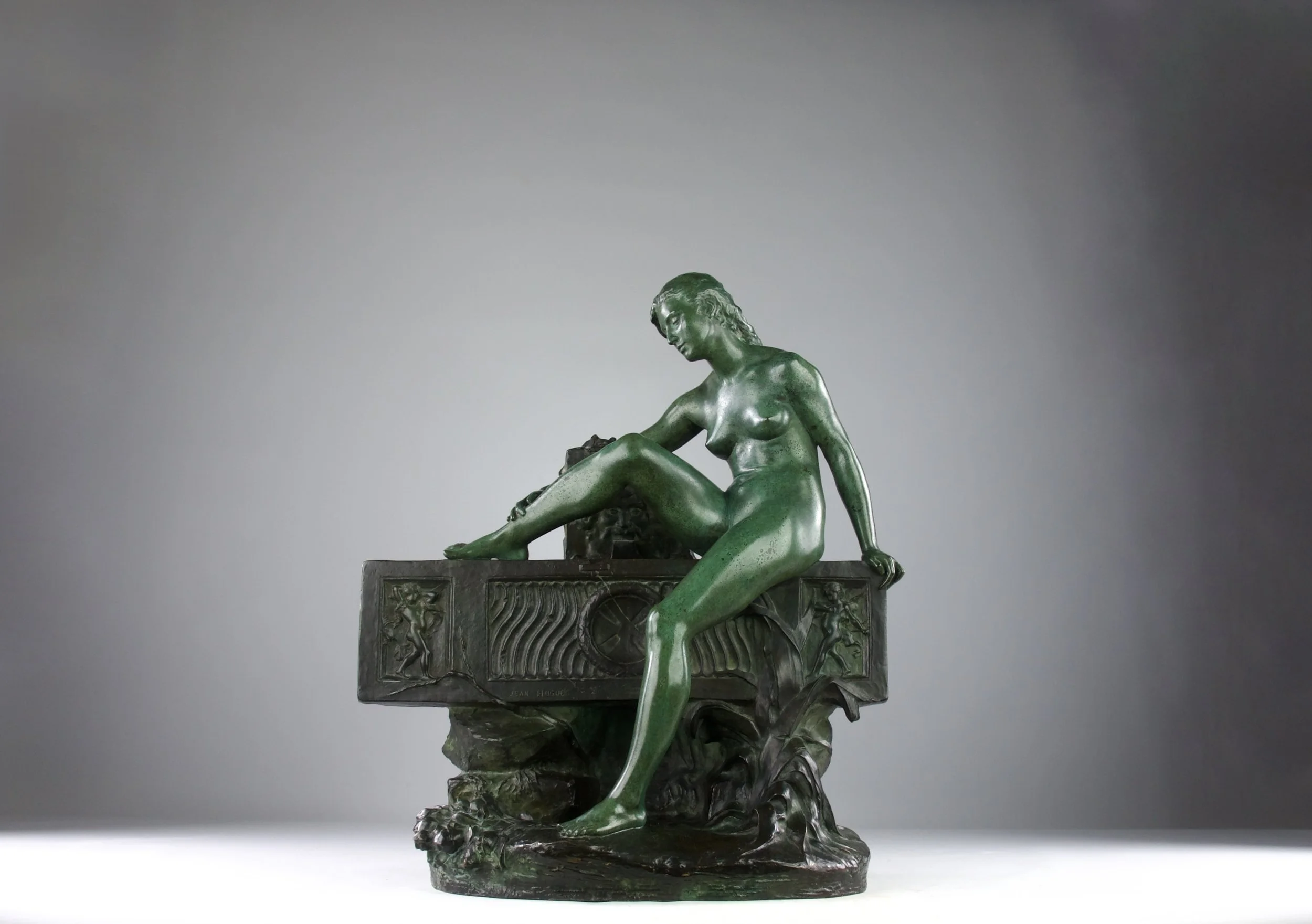 Image 1 of 18
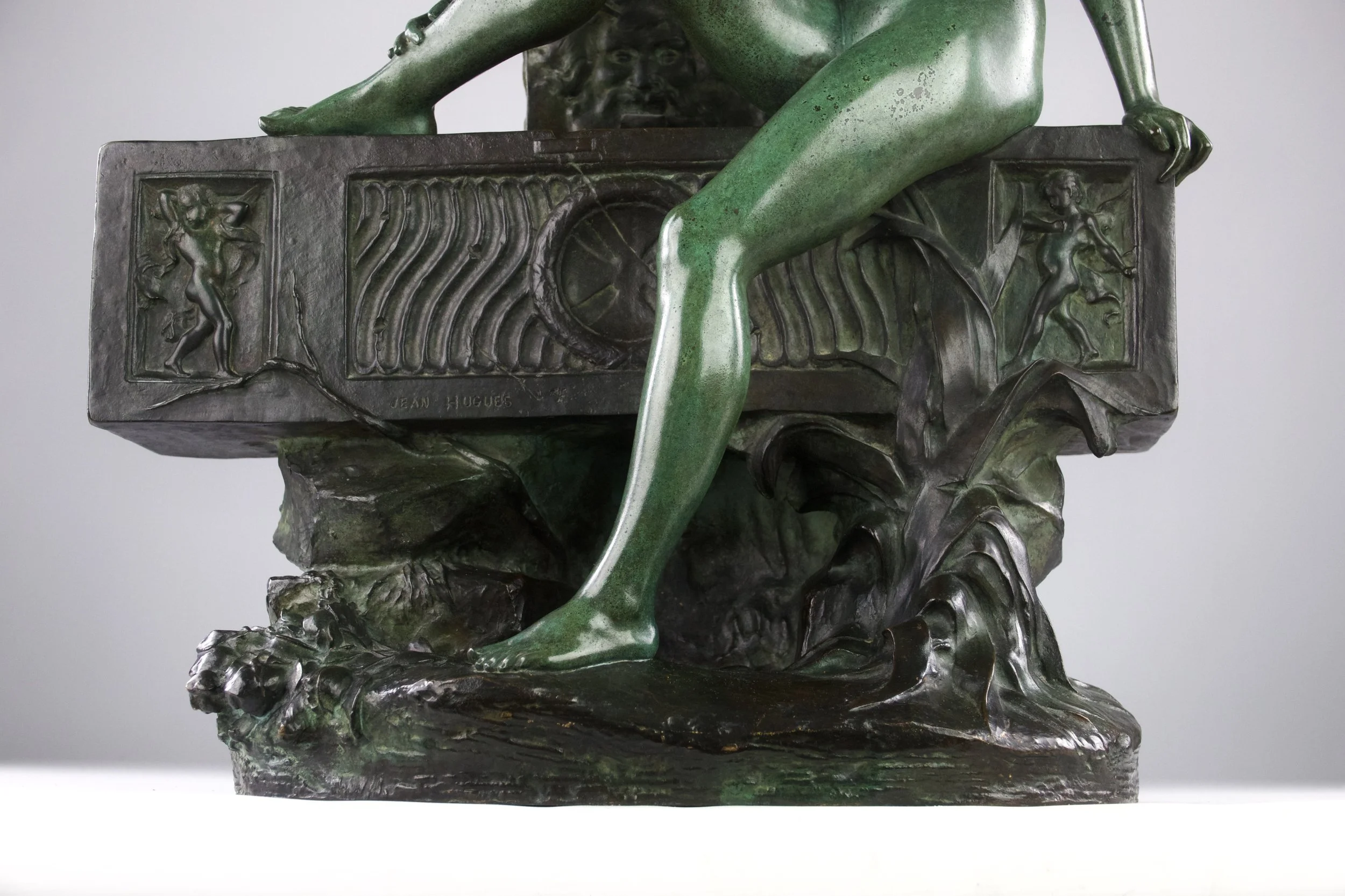 Image 2 of 18
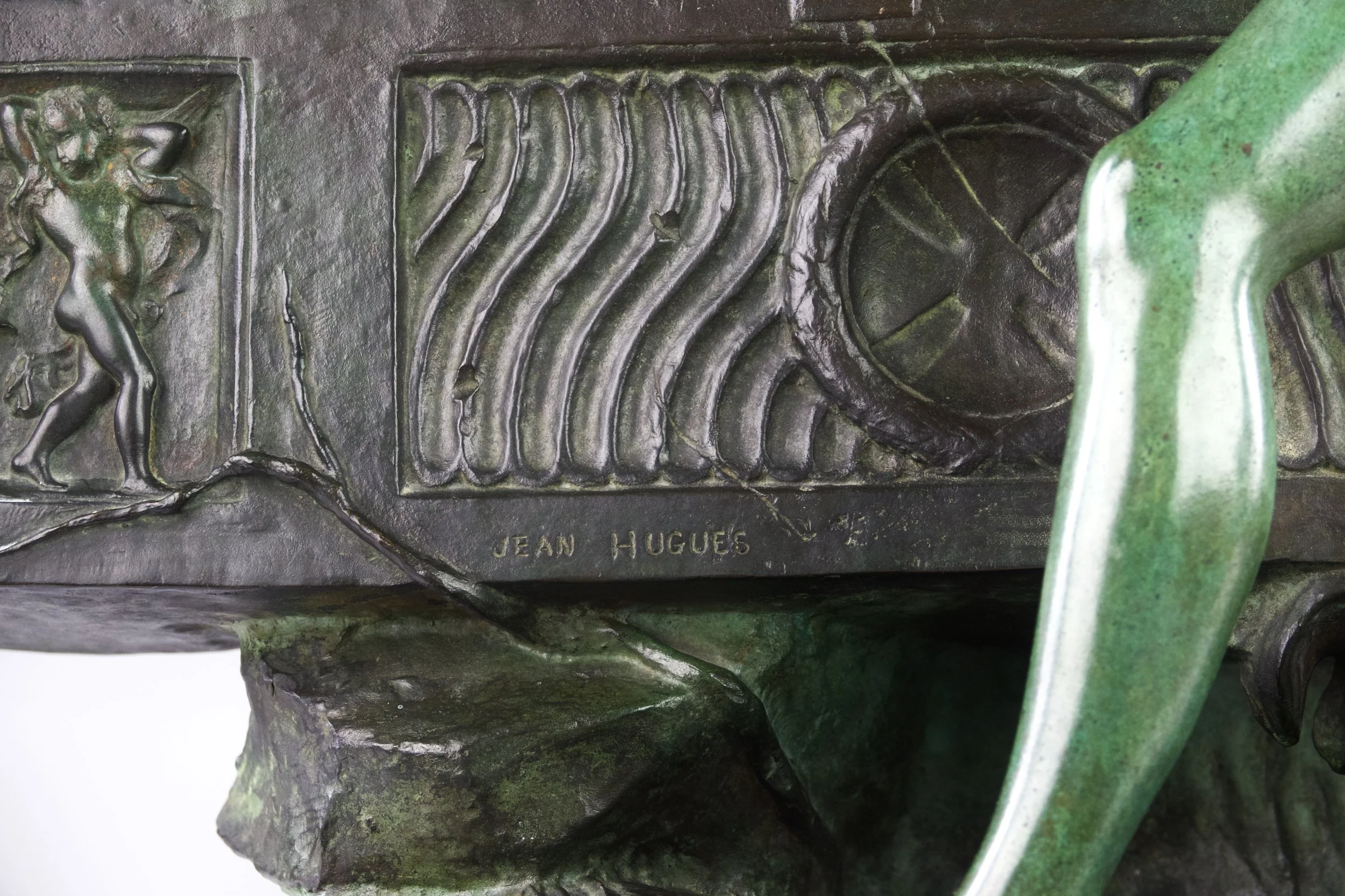 Image 3 of 18
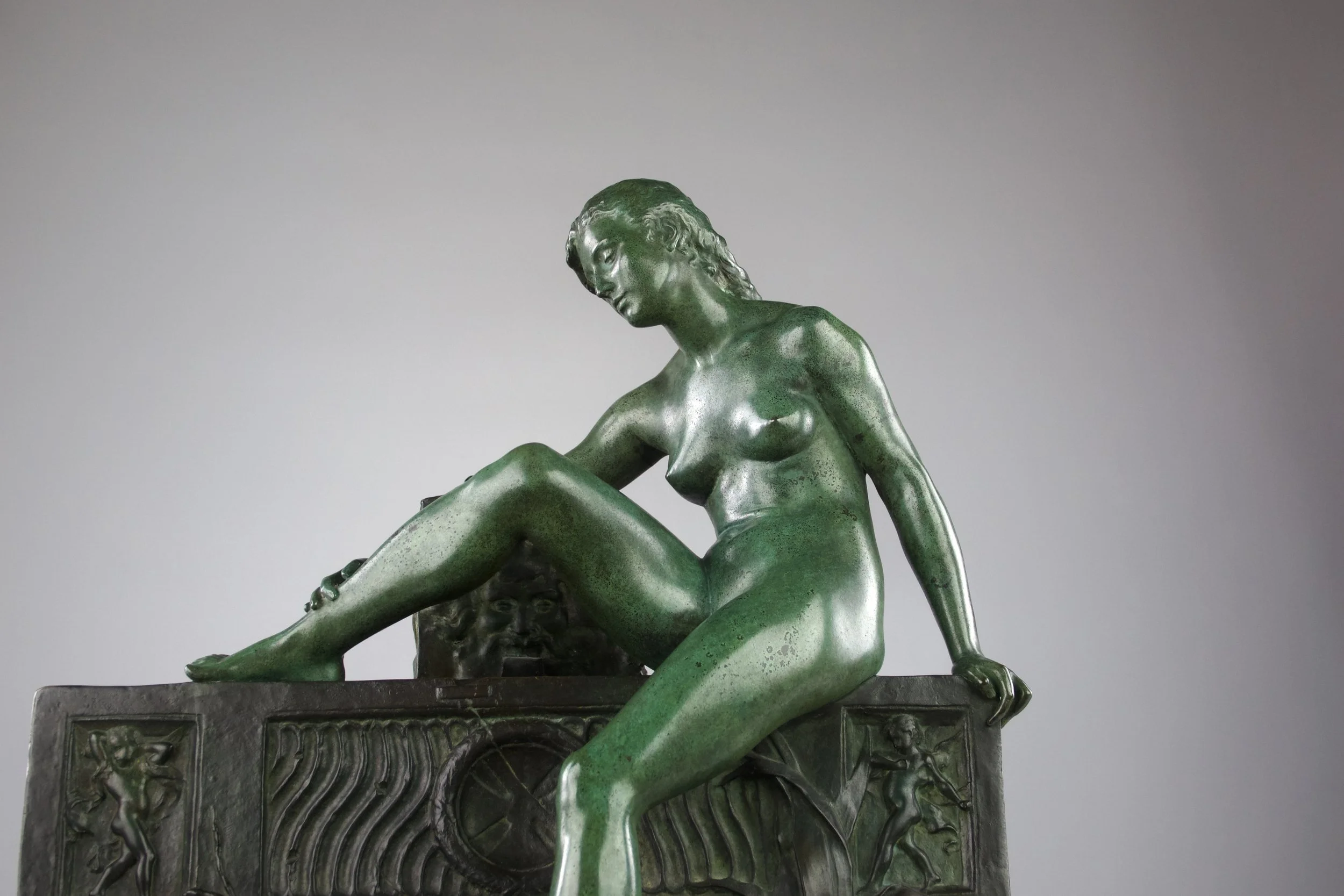 Image 4 of 18
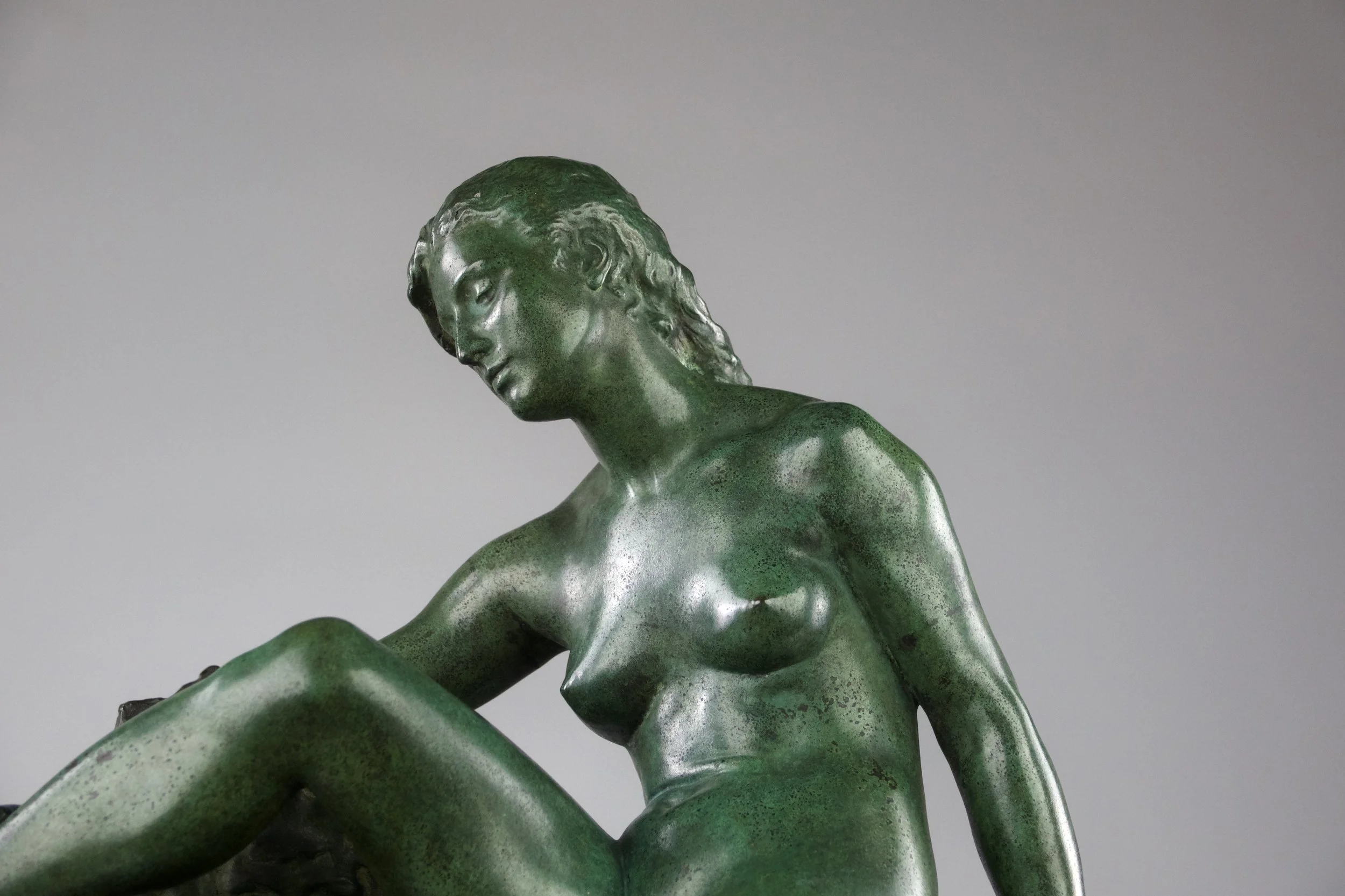 Image 5 of 18
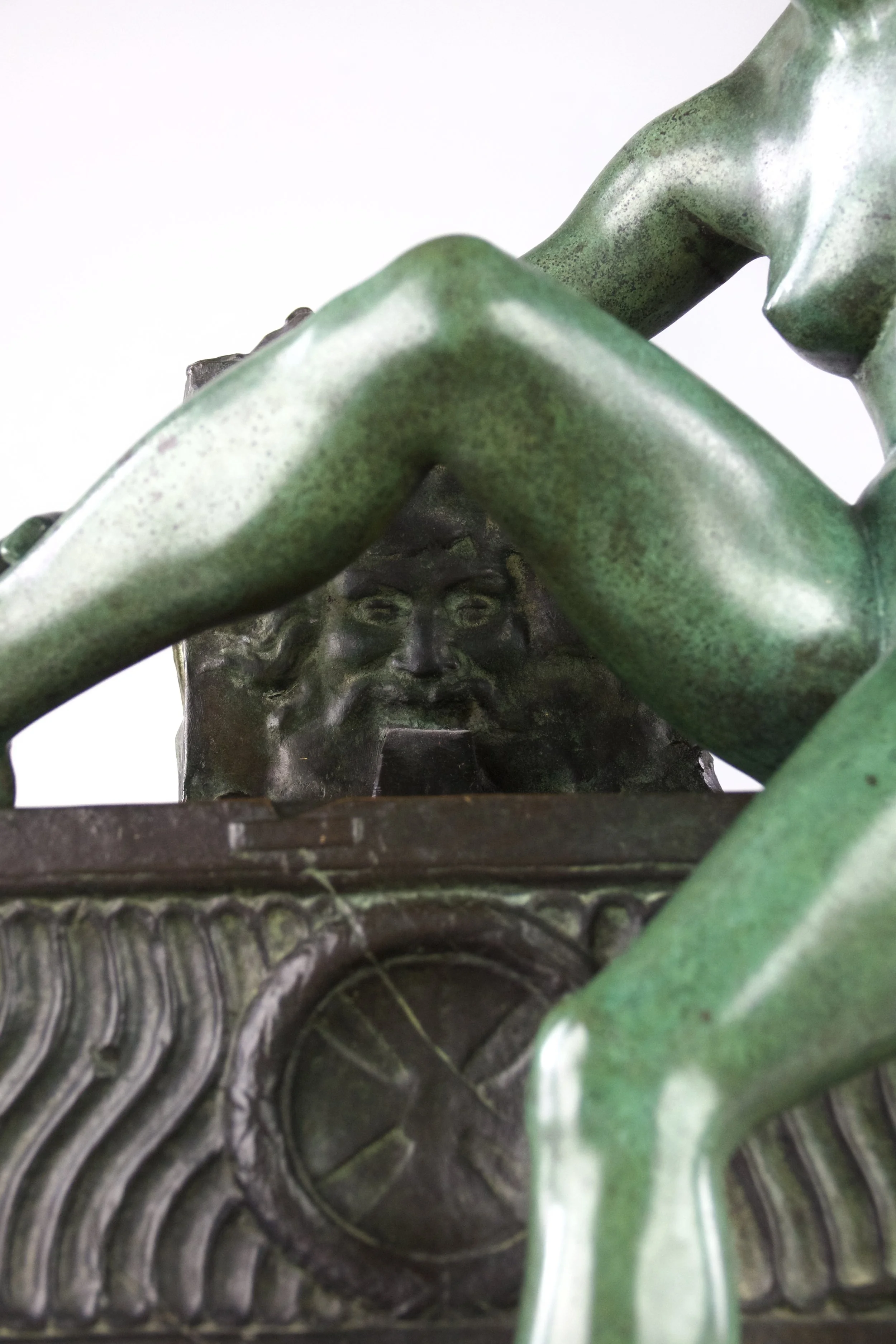 Image 6 of 18
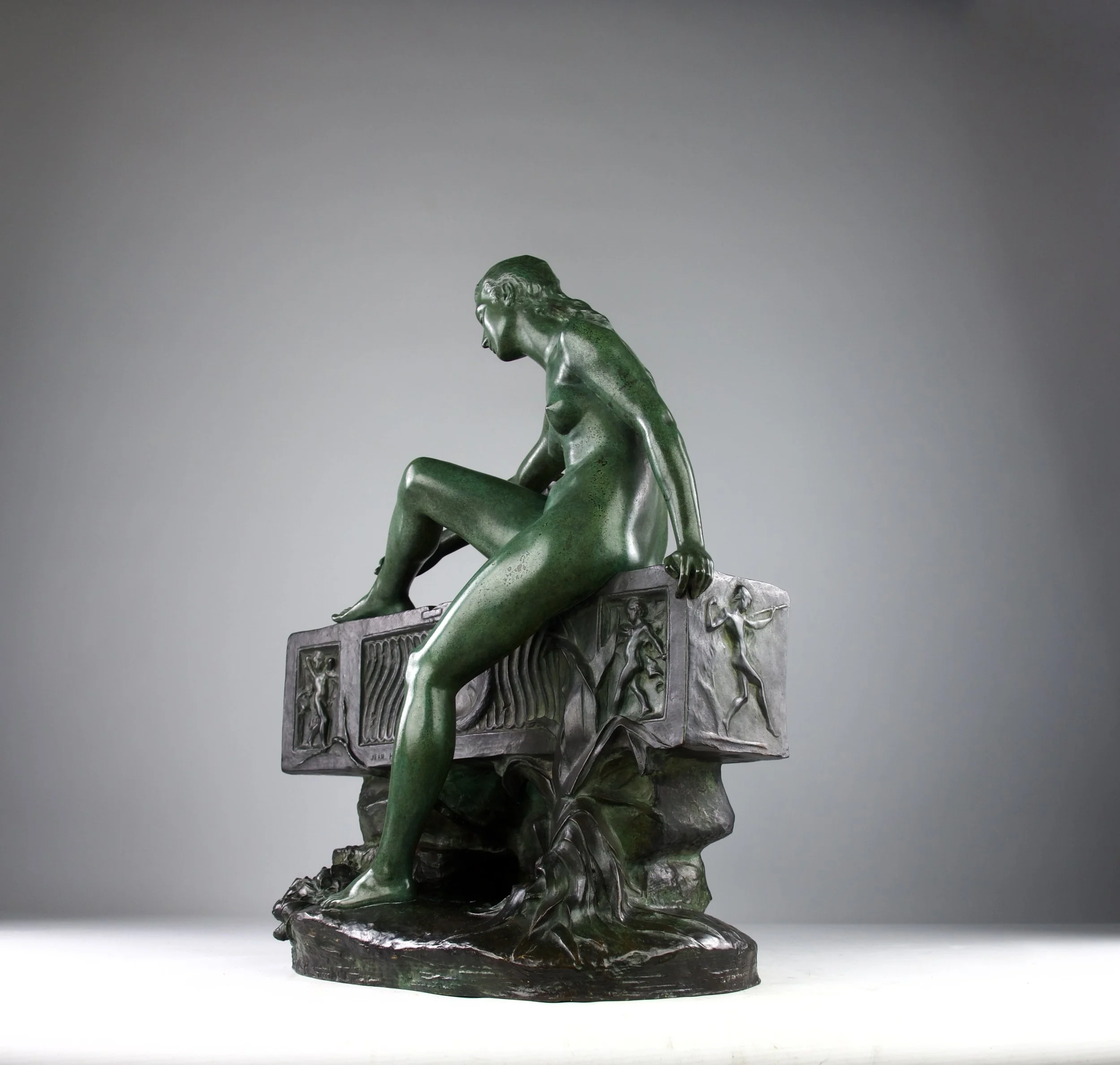 Image 7 of 18
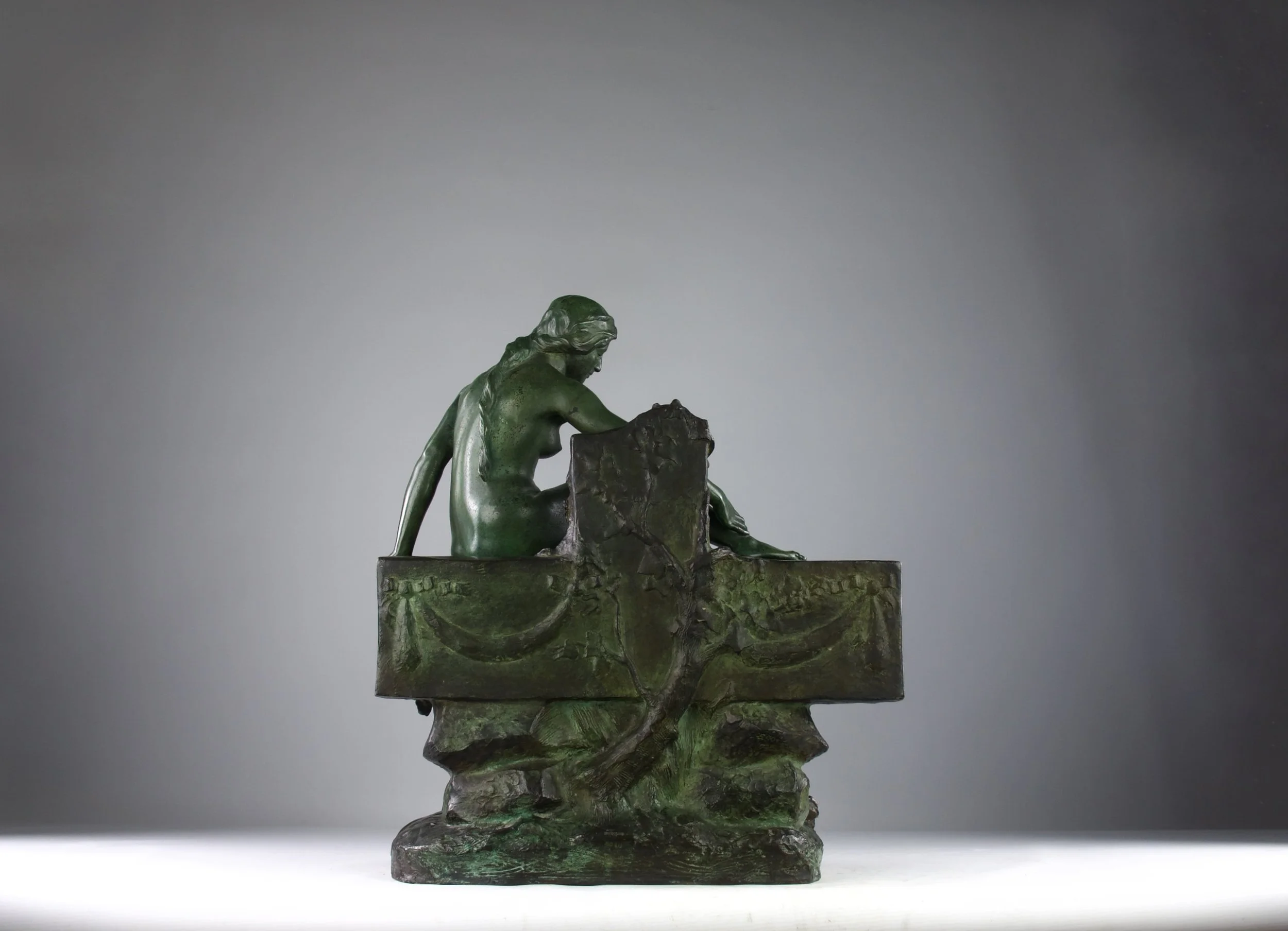 Image 8 of 18
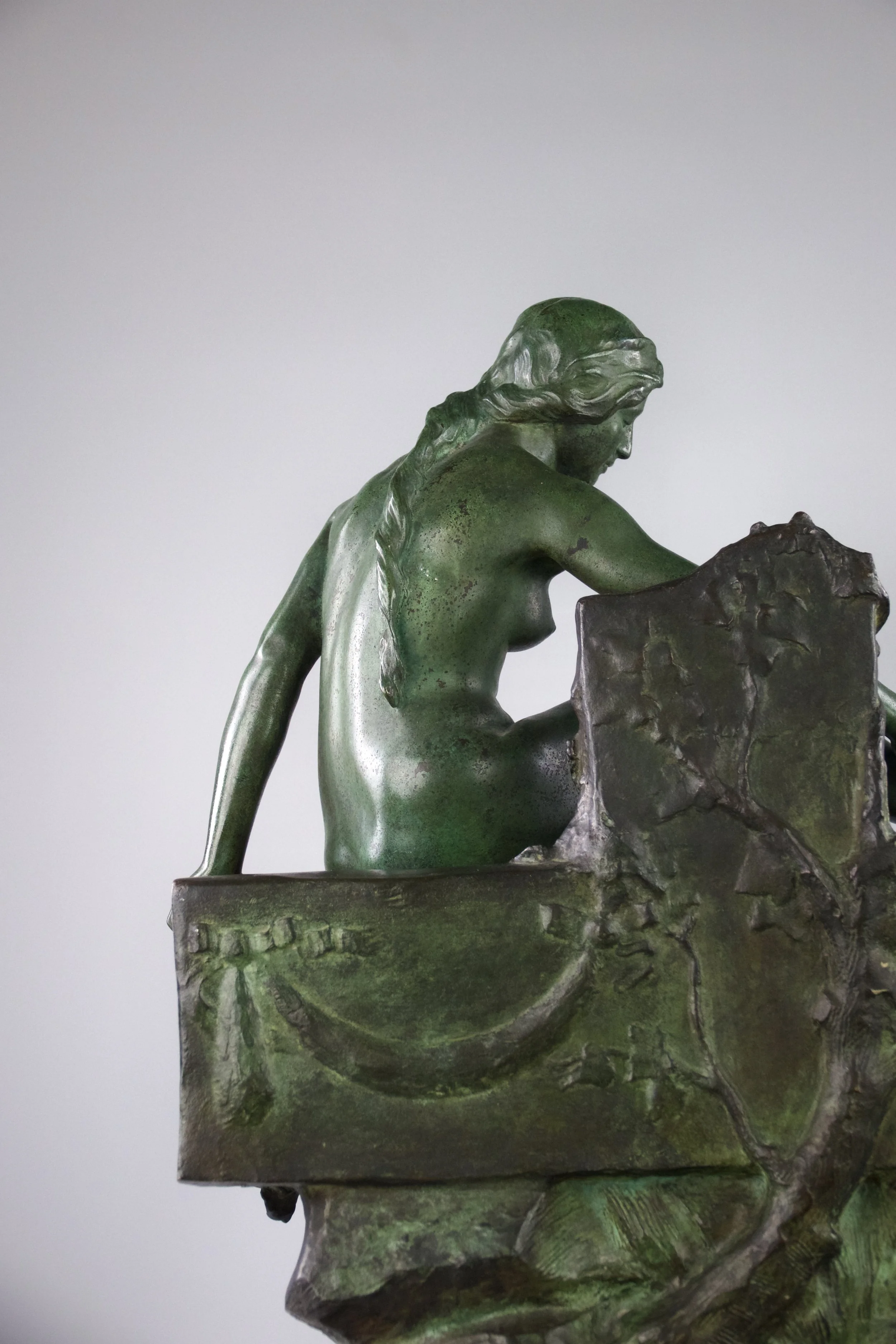 Image 9 of 18
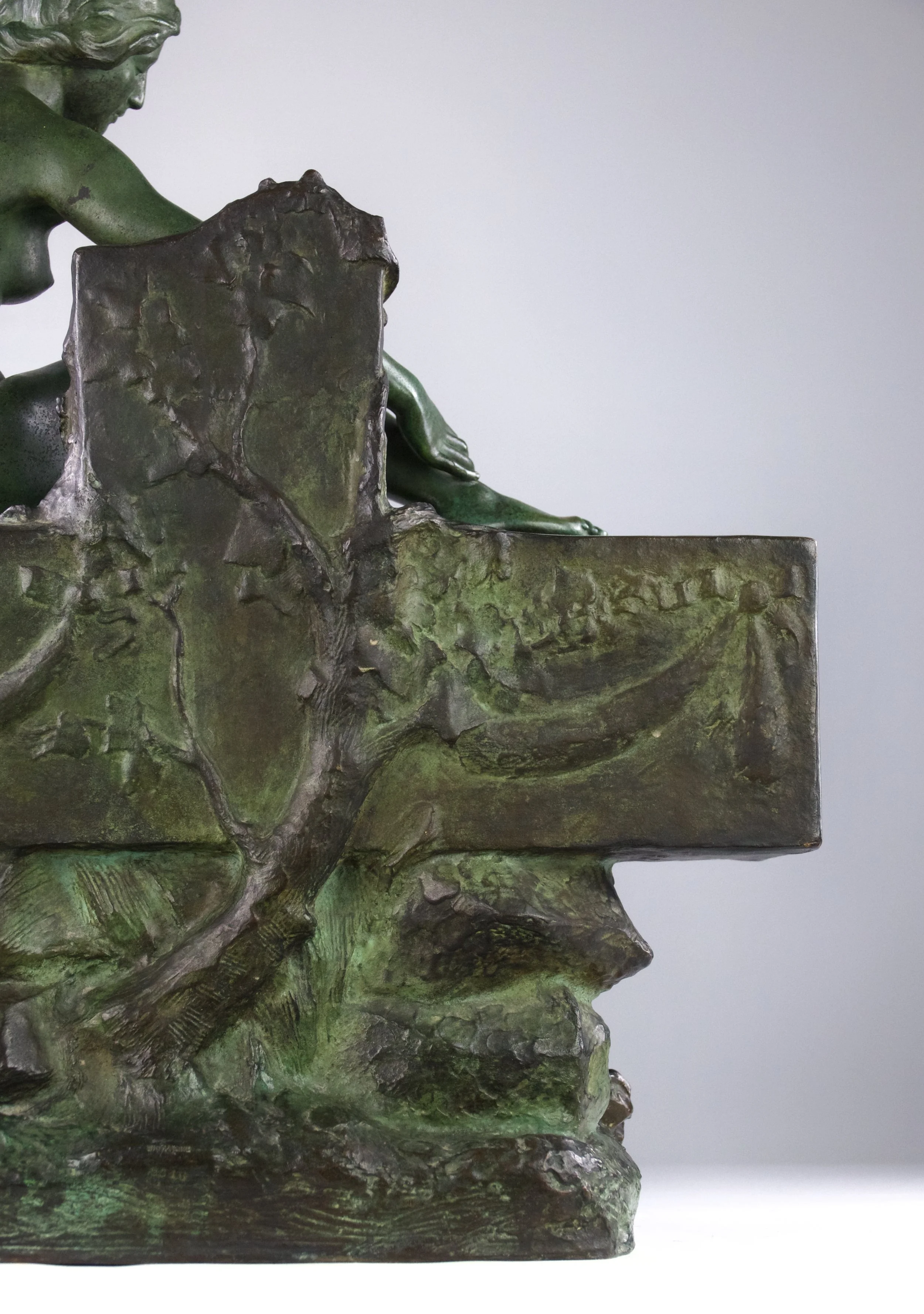 Image 10 of 18
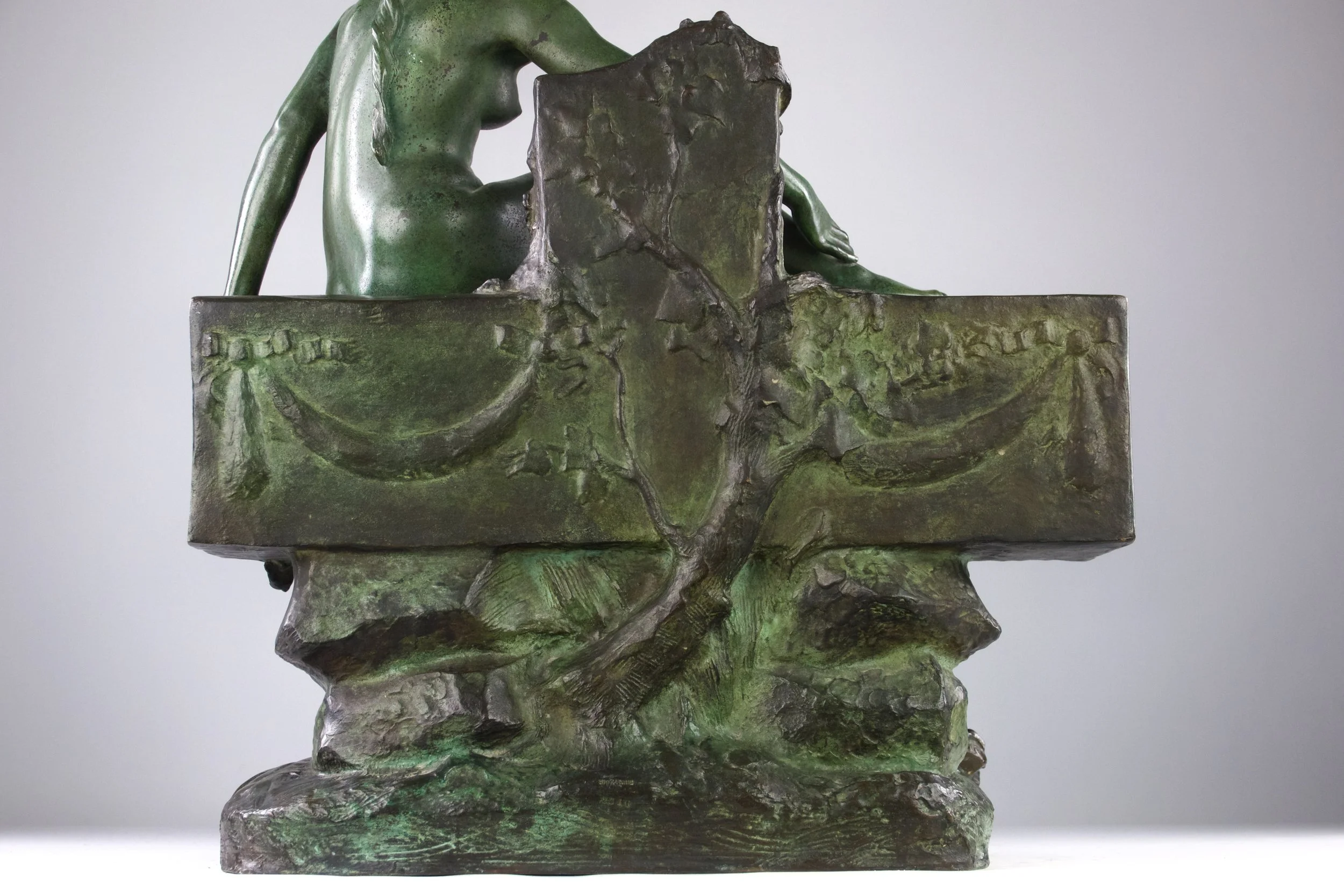 Image 11 of 18
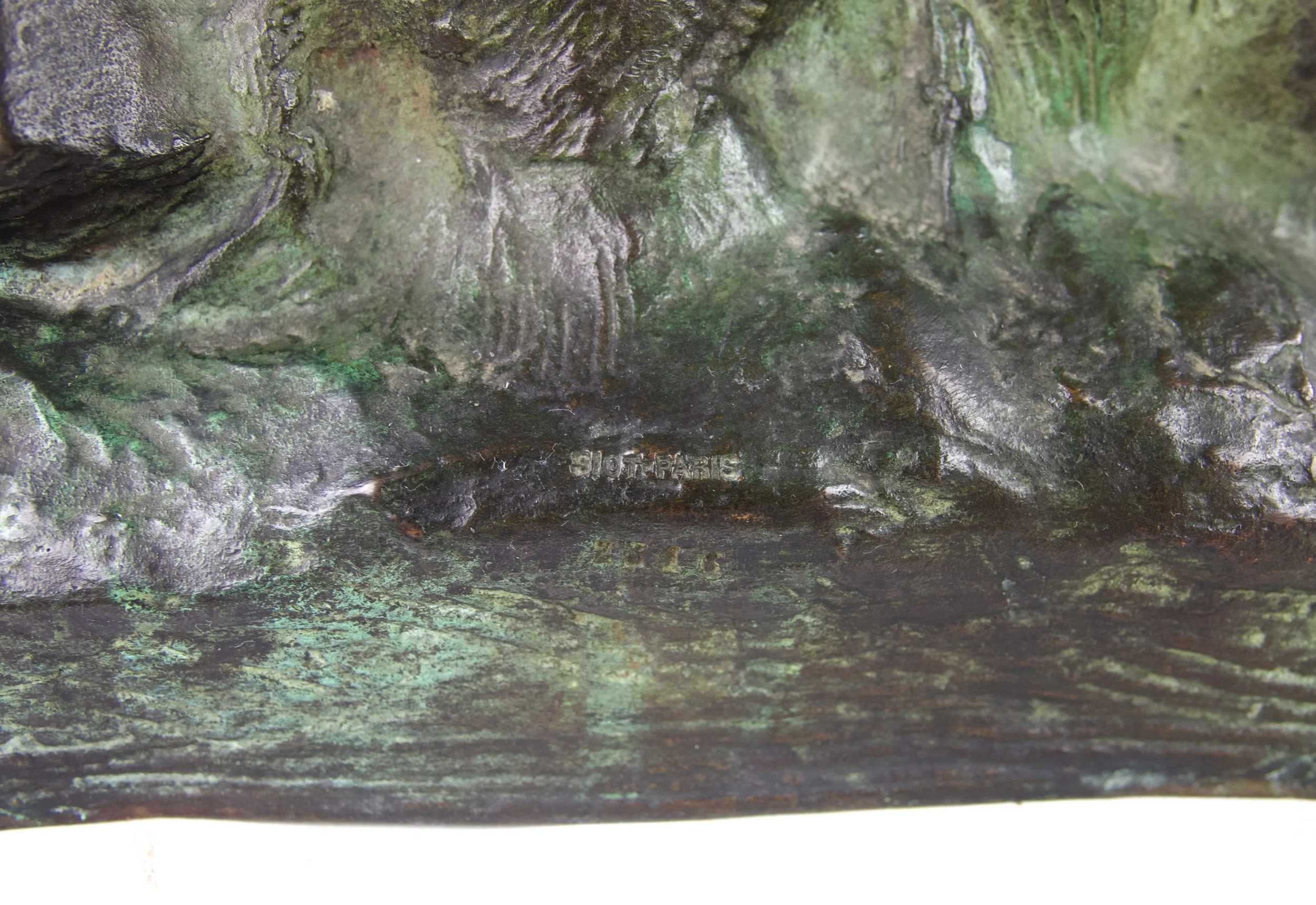 Image 12 of 18
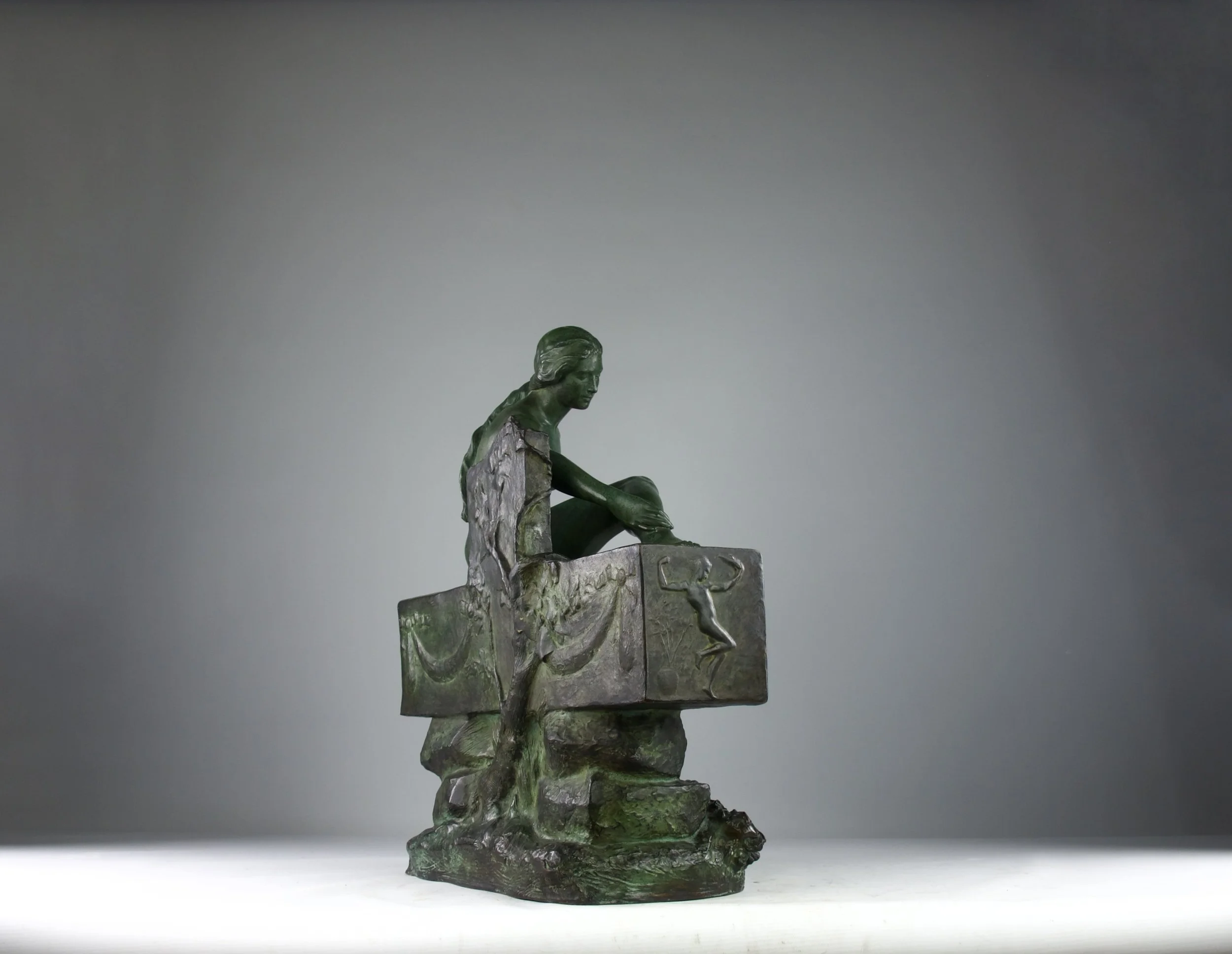 Image 13 of 18
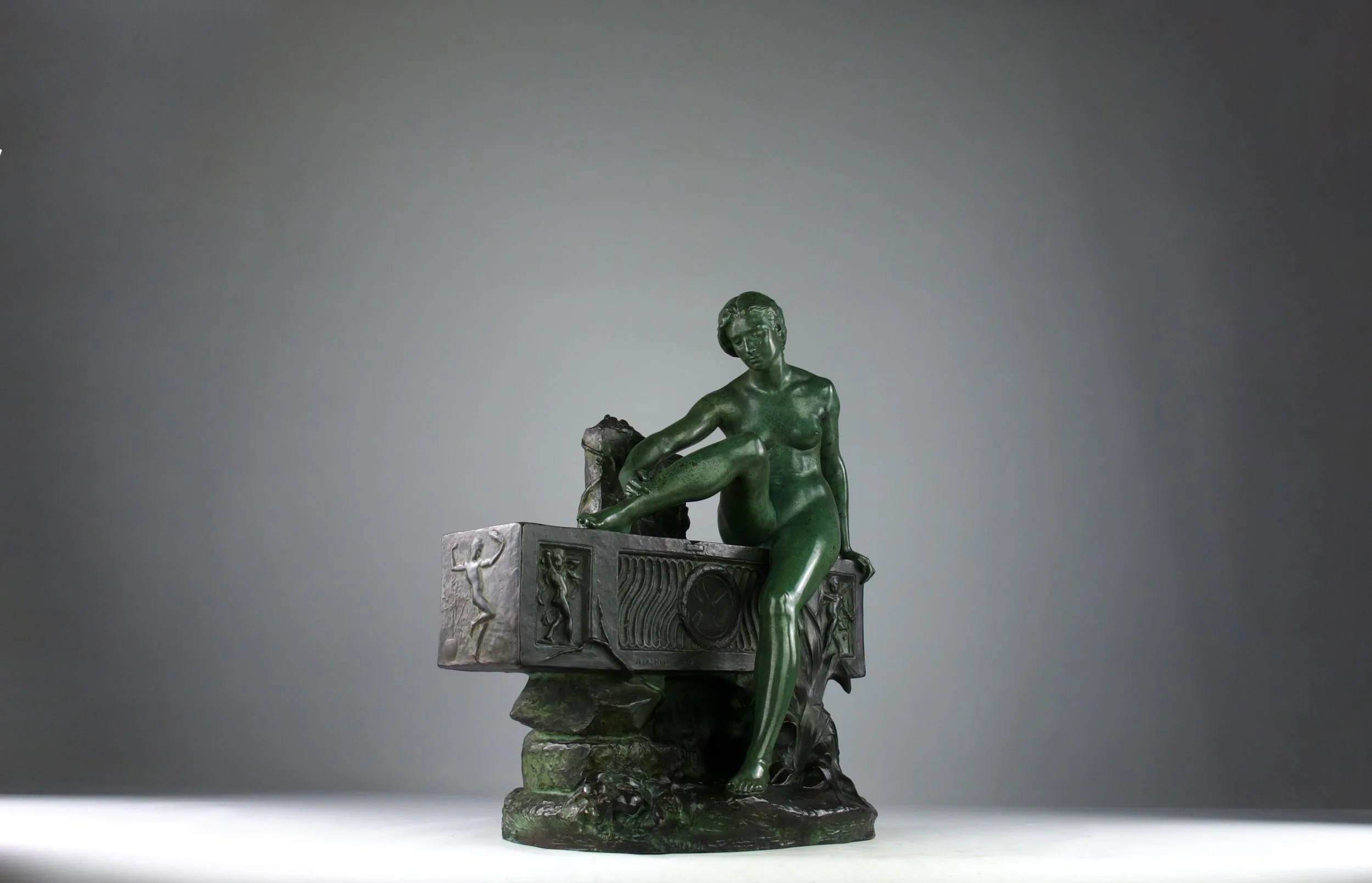 Image 14 of 18
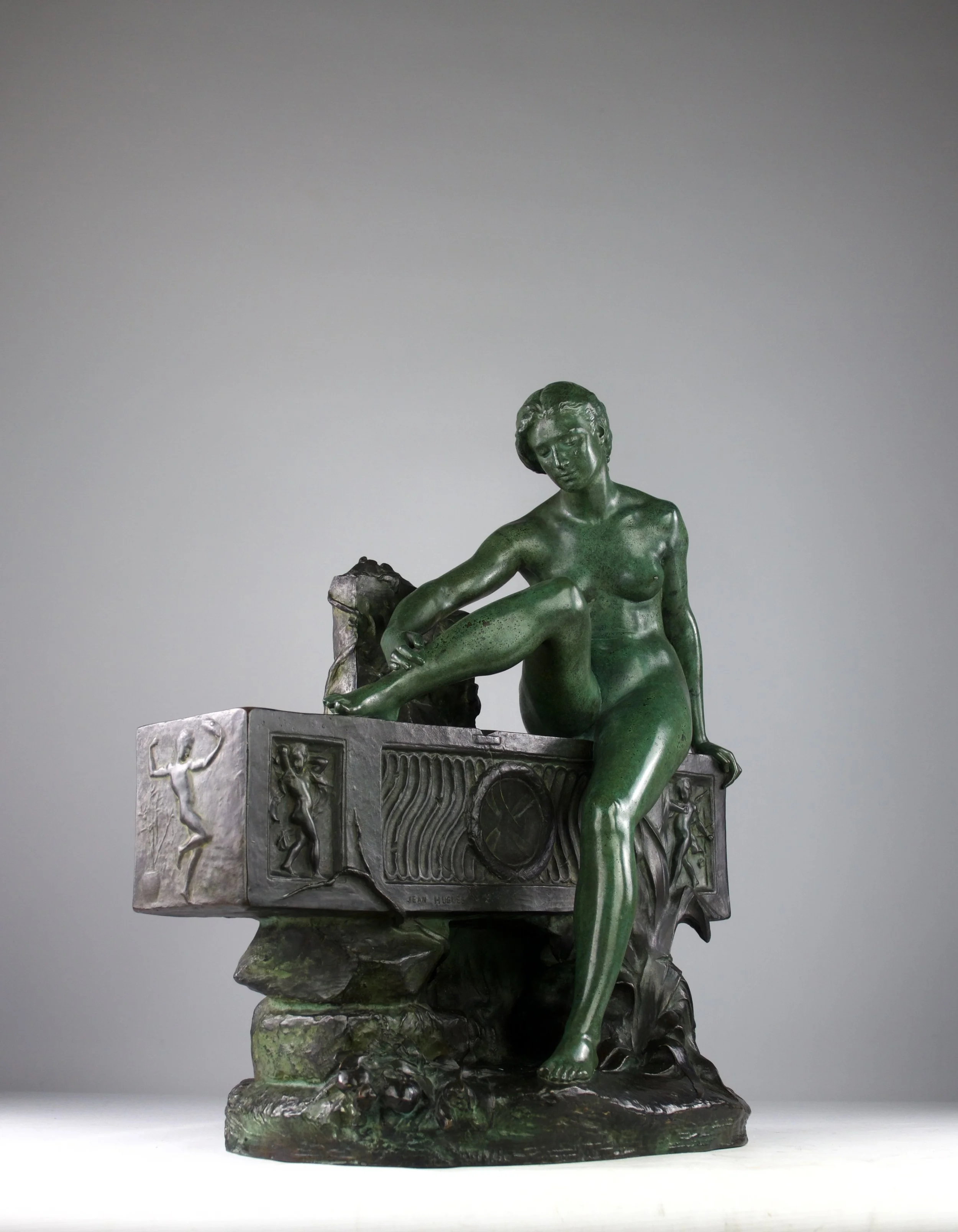 Image 15 of 18
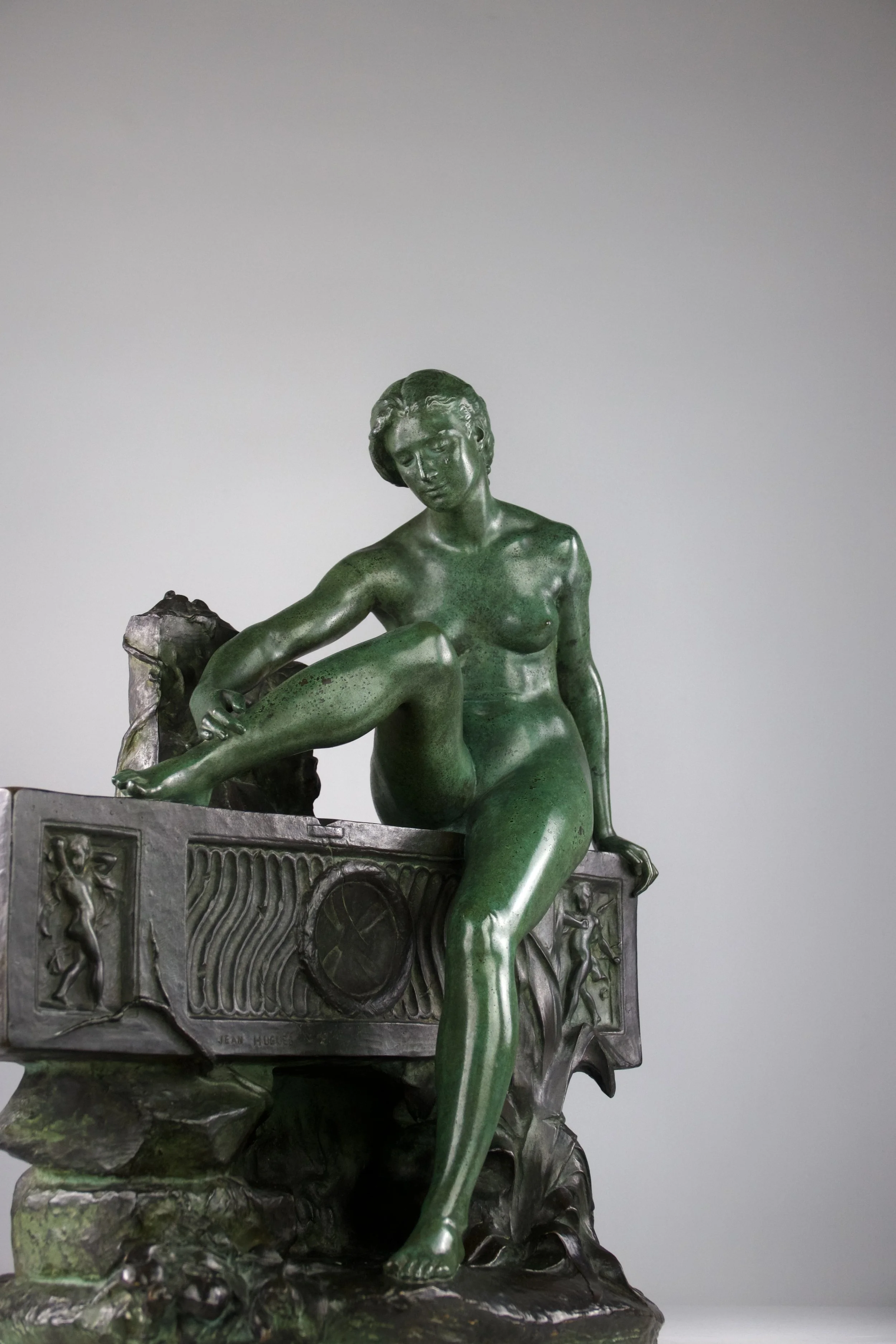 Image 16 of 18
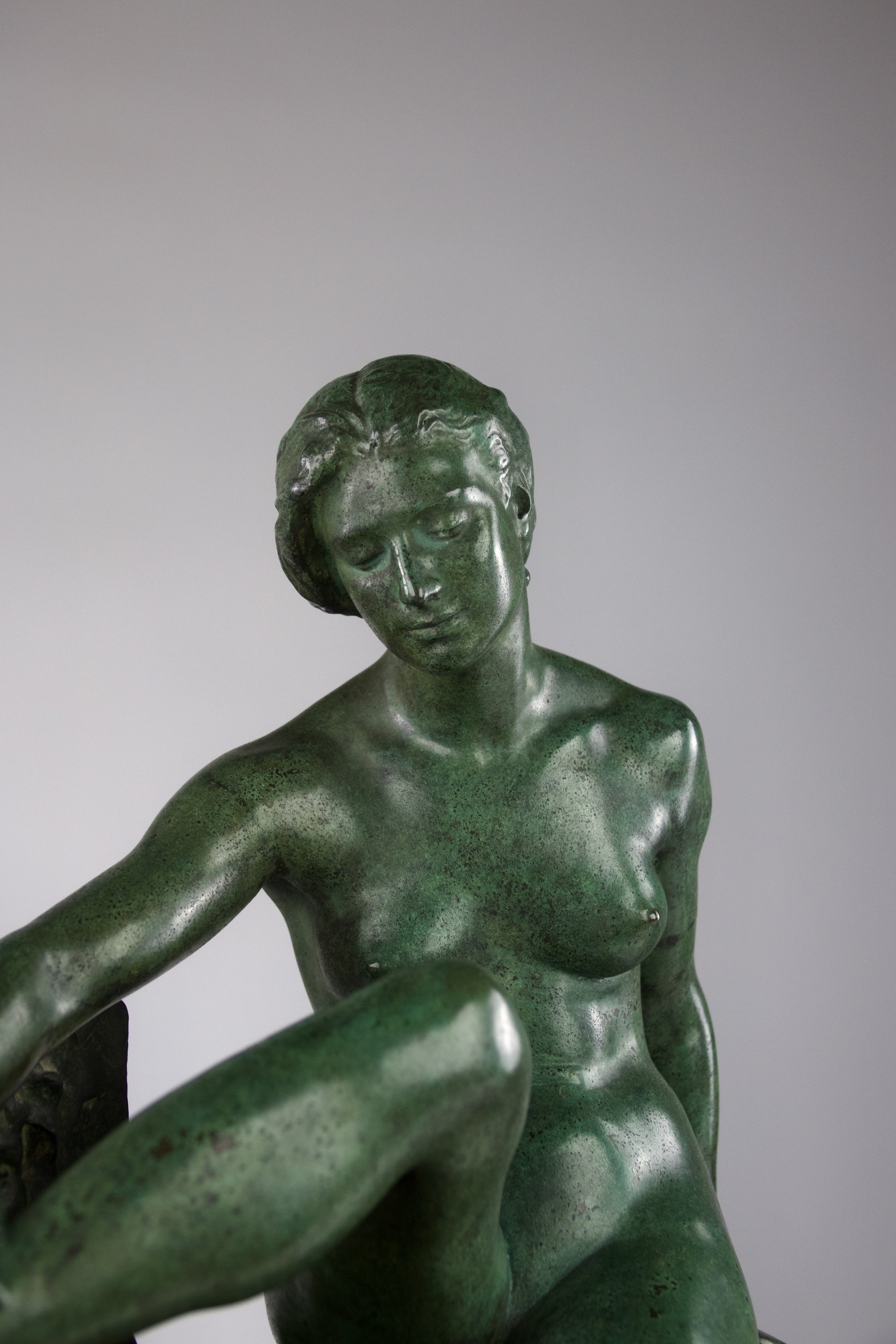 Image 17 of 18
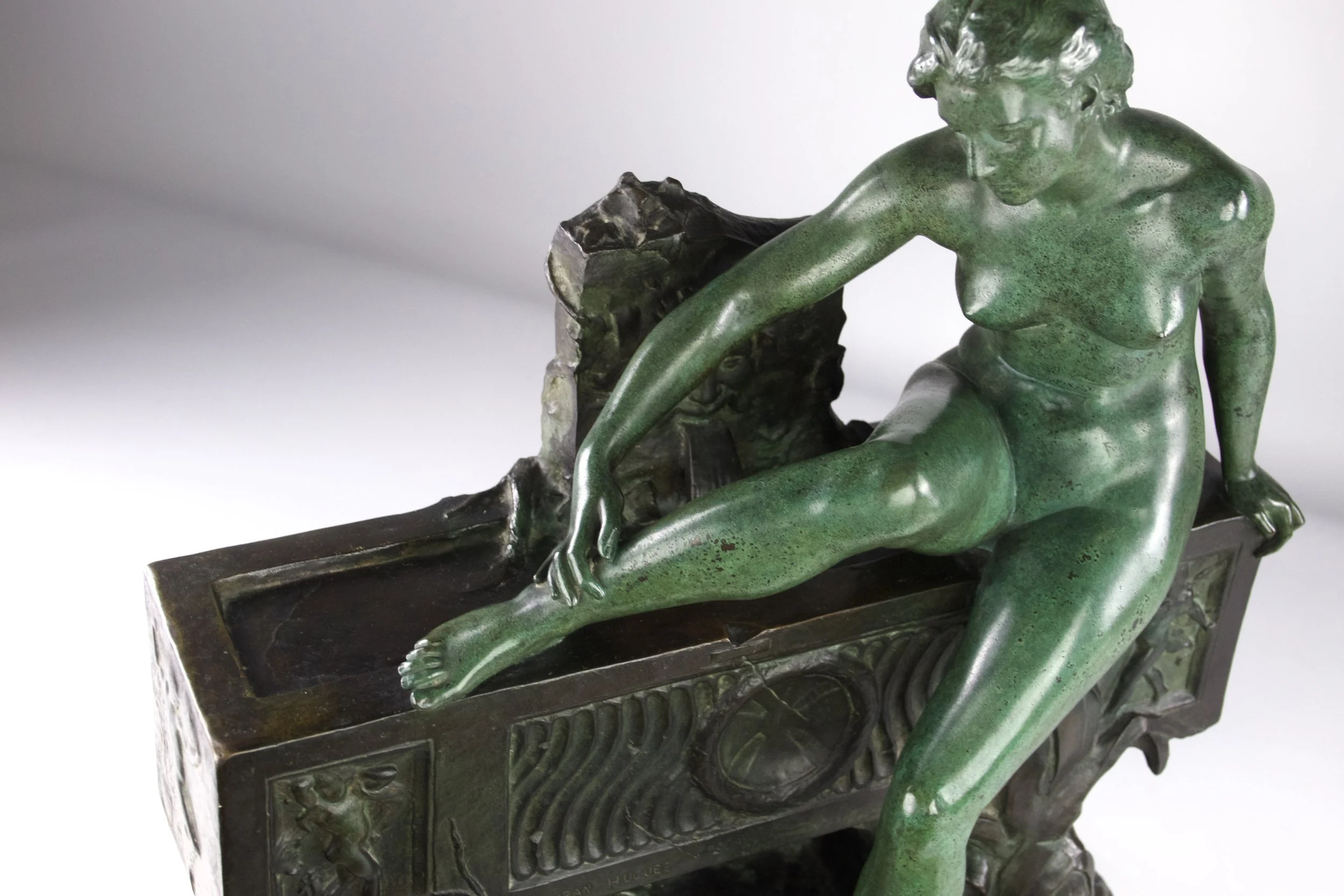 Image 18 of 18