A stunning green-patinated bust of Beethoven, sculpted by Pierre Le Faguays for Max Le Verrier. A masterpiece of French Art Deco from the 1920s, it captures the composer lost in the spell of his own genius. His eyes, softly shut, reflect a journey inward—transported by the invisible melody that swirls around him. Every line and curve of the sculpture seems carried by a gentle breeze, as if the music itself has shaped the bronze, rendering a portrait alive with rhythm and soul.
Signed by the artist and manufacture.
Dimensions in cm ( H x L x l ) : 15.5 x 11 x 9
Very good condition.
Secure shipping.
Pierre Le Faguays:
Pierre Le Faguays was born in 1892 in Nantes, France. He was a student of James Vibert at the Geneva University of Art and Design (formerly École Supérieure des Beaux-Arts, Genève).
He was married to sculptor Andrée Guebre (also known as Raymonde Guerbe), they never had children. His wife had modeled for many of his works.
In 1922, he participated in exhibiting at the Salon des Artistes Français. He exhibited at the Salon d'Automne in multiple years; in 1926, a bust of his wife made in terracotta; and in 1931, a painted portrait of his wife.
He mostly worked with materials such as bronze, terracotta, pâte de verre, stone, zinc, wood, alabaster, wrought iron, and ivory. In Paris, Le Faguays had his statuettes made by the foundries Susse Frères, Edmond Etling, Max Le Verrier, Les Neveux de Jules Lehmann, M. Ollier and by the foundry of the Austrian Arthur Goldscheider, a son of Friedrich Goldscheider. In the 1960s, his work was extensively reproduced and were often signed as "Favral" or "Fayral".
Le Faguays work can be found in museum collections, including at the Musée d'Orsay, the Museum of Fine Arts, Houston,[8] and the Casa Lis, in Salamanca.
Max Le Verrier:
Max Le Verrier was born on 29 January 1891 in Neuilly-sur-Seine, France to a French father who was a goldsmith and jeweler, and a mother from Belgium. His parents separated when he was a child and he spent a lot of time in boarding schools. He served as a pilot in the French Army during World War I.
Le Verrier attended Geneva University of Art and Design (formerly École Supérieure des Beaux-Arts, Genève), studying under Marcel Bouraine and Pierre Le Faguays. He returned to Paris by 1919.
In 1925, he showed his work at the Exposition internationale des Arts décoratifs et industriels modernes in Paris, where he won a gold medal. His first popular sculpture was a pelican in 1925. In 1921, Le Verrier married Jeanne Hubrecht, together they had two children. In the early 1920s, he inherited a small metal foundry and by 1926 he started making decorative objects in his own workshop.
During World War II, Le Verrier's house was used as a dead drop for the Resistance. He was arrested in 1944 for his connection to the resistance against Nazis. He was able to reopen his studio after the war.
His workshop was located at 30 rue Deparcieux, and he had a small shop located at 100 rue du Théâtre in Paris. Le Verrier's studio created bronze lamps, ashtrays, bookends, desk sets, and hood ornaments; often featuring nude women or animals in an Art Deco style. He used a few different patina styles, included the notable "greenie" style, and often mounted them on Italian marble bases. Besides bronze, he also worked with ivory, zinc, terracotta, and ceramics. He also cast work for other sculptors, including Pierre Le Faguays, Marcel Bouraine, André Vincent Becquerel, and Jules Edmont Masson.
This item is a work of art or an antique over 100 years old. Shipping restrictions and import regulations may apply depending on your country. Please contact us before placing your order so we can confirm carrier eligibility, customs requirements and any documentation needed for import.
Offered by RDS Gallery, Paris. Worldwide shipping with specialist packaging.
A stunning green-patinated bust of Beethoven, sculpted by Pierre Le Faguays for Max Le Verrier. A masterpiece of French Art Deco from the 1920s, it captures the composer lost in the spell of his own genius. His eyes, softly shut, reflect a journey inward—transported by the invisible melody that swirls around him. Every line and curve of the sculpture seems carried by a gentle breeze, as if the music itself has shaped the bronze, rendering a portrait alive with rhythm and soul.
Signed by the artist and manufacture.
Dimensions in cm ( H x L x l ) : 15.5 x 11 x 9
Very good condition.
Secure shipping.
Pierre Le Faguays:
Pierre Le Faguays was born in 1892 in Nantes, France. He was a student of James Vibert at the Geneva University of Art and Design (formerly École Supérieure des Beaux-Arts, Genève).
He was married to sculptor Andrée Guebre (also known as Raymonde Guerbe), they never had children. His wife had modeled for many of his works.
In 1922, he participated in exhibiting at the Salon des Artistes Français. He exhibited at the Salon d'Automne in multiple years; in 1926, a bust of his wife made in terracotta; and in 1931, a painted portrait of his wife.
He mostly worked with materials such as bronze, terracotta, pâte de verre, stone, zinc, wood, alabaster, wrought iron, and ivory. In Paris, Le Faguays had his statuettes made by the foundries Susse Frères, Edmond Etling, Max Le Verrier, Les Neveux de Jules Lehmann, M. Ollier and by the foundry of the Austrian Arthur Goldscheider, a son of Friedrich Goldscheider. In the 1960s, his work was extensively reproduced and were often signed as "Favral" or "Fayral".
Le Faguays work can be found in museum collections, including at the Musée d'Orsay, the Museum of Fine Arts, Houston,[8] and the Casa Lis, in Salamanca.
Max Le Verrier:
Max Le Verrier was born on 29 January 1891 in Neuilly-sur-Seine, France to a French father who was a goldsmith and jeweler, and a mother from Belgium. His parents separated when he was a child and he spent a lot of time in boarding schools. He served as a pilot in the French Army during World War I.
Le Verrier attended Geneva University of Art and Design (formerly École Supérieure des Beaux-Arts, Genève), studying under Marcel Bouraine and Pierre Le Faguays. He returned to Paris by 1919.
In 1925, he showed his work at the Exposition internationale des Arts décoratifs et industriels modernes in Paris, where he won a gold medal. His first popular sculpture was a pelican in 1925. In 1921, Le Verrier married Jeanne Hubrecht, together they had two children. In the early 1920s, he inherited a small metal foundry and by 1926 he started making decorative objects in his own workshop.
During World War II, Le Verrier's house was used as a dead drop for the Resistance. He was arrested in 1944 for his connection to the resistance against Nazis. He was able to reopen his studio after the war.
His workshop was located at 30 rue Deparcieux, and he had a small shop located at 100 rue du Théâtre in Paris. Le Verrier's studio created bronze lamps, ashtrays, bookends, desk sets, and hood ornaments; often featuring nude women or animals in an Art Deco style. He used a few different patina styles, included the notable "greenie" style, and often mounted them on Italian marble bases. Besides bronze, he also worked with ivory, zinc, terracotta, and ceramics. He also cast work for other sculptors, including Pierre Le Faguays, Marcel Bouraine, André Vincent Becquerel, and Jules Edmont Masson.
This item is a work of art or an antique over 100 years old. Shipping restrictions and import regulations may apply depending on your country. Please contact us before placing your order so we can confirm carrier eligibility, customs requirements and any documentation needed for import.
Offered by RDS Gallery, Paris. Worldwide shipping with specialist packaging.
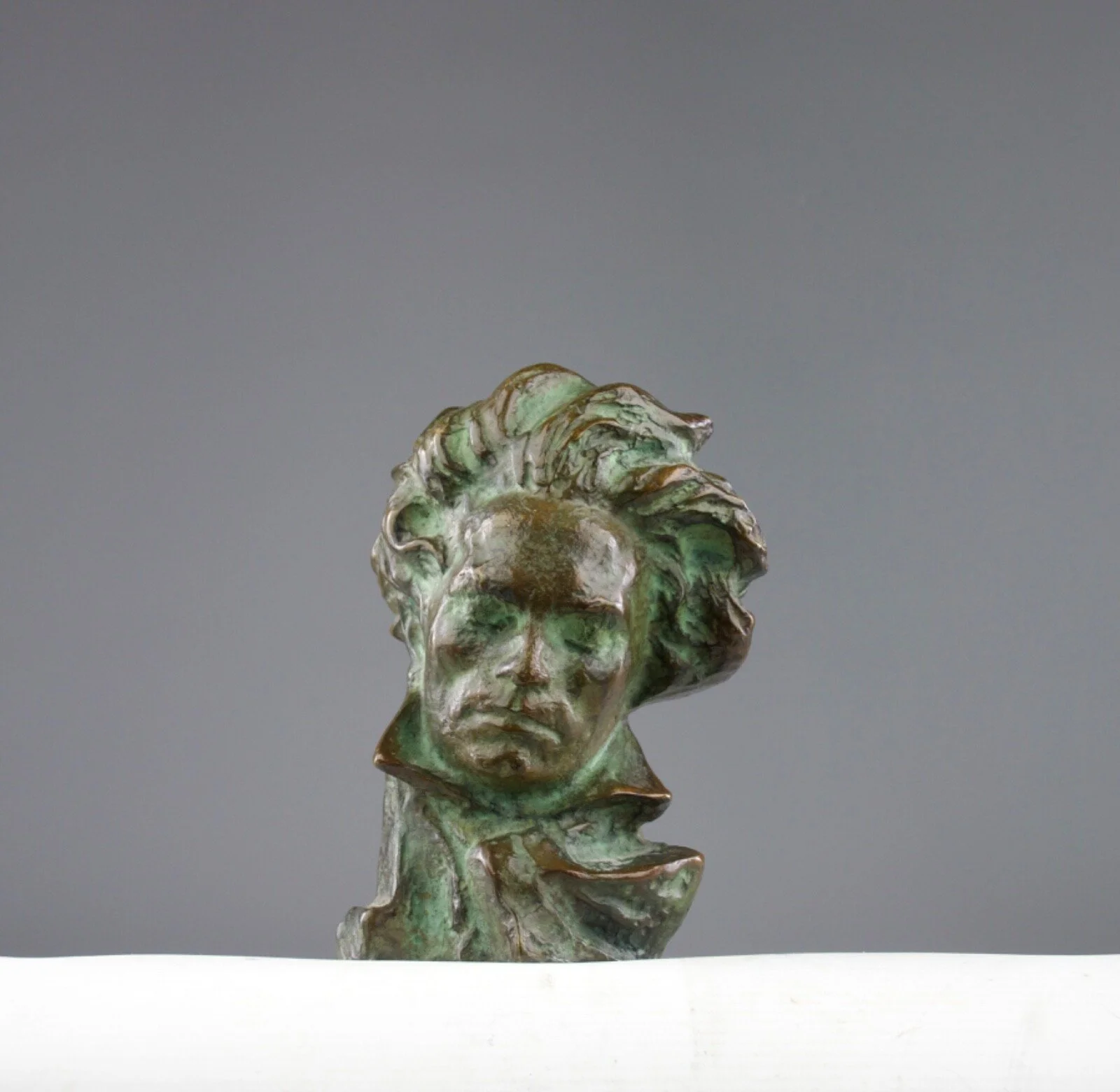 Image 1 of 12
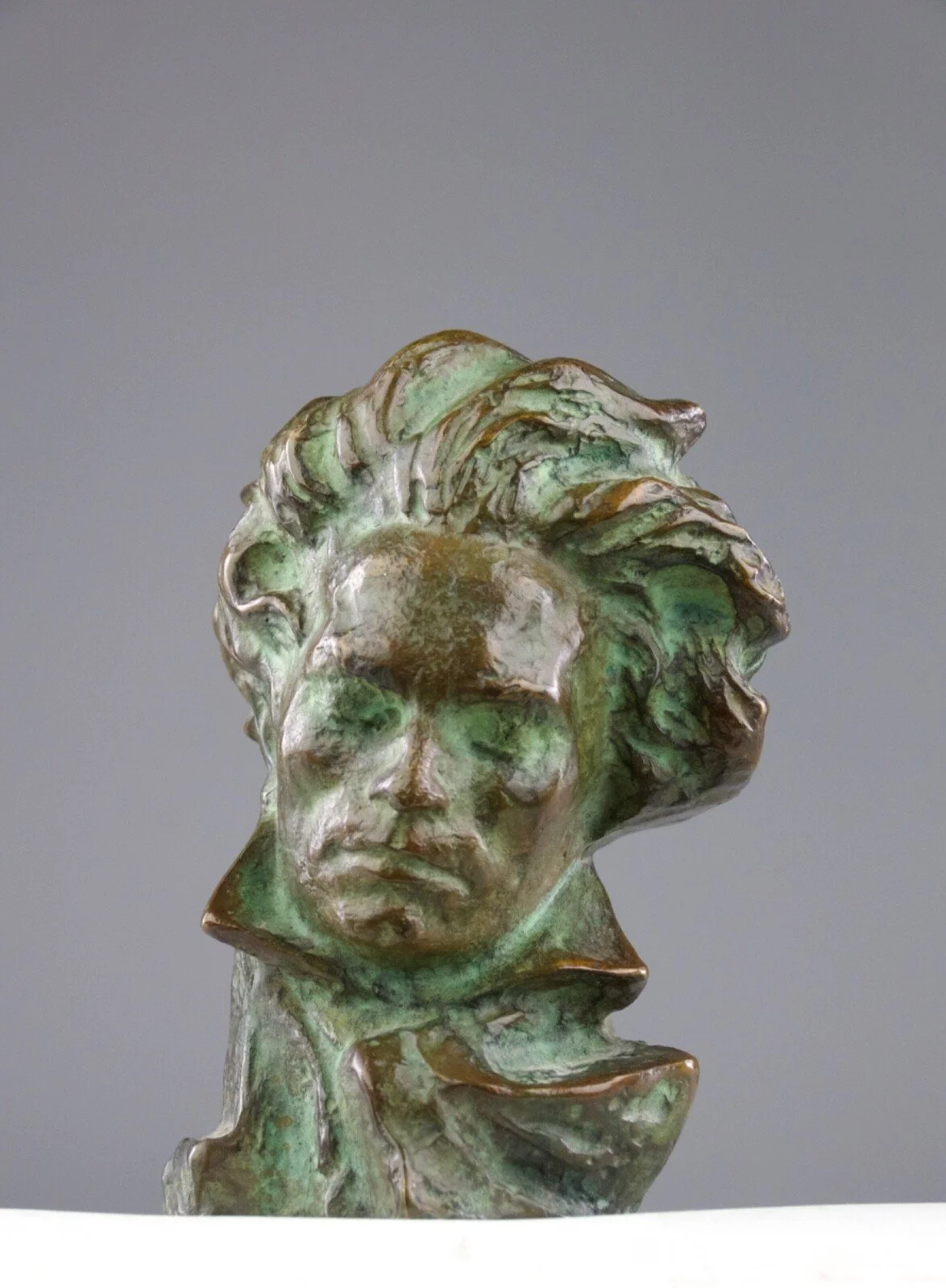 Image 2 of 12
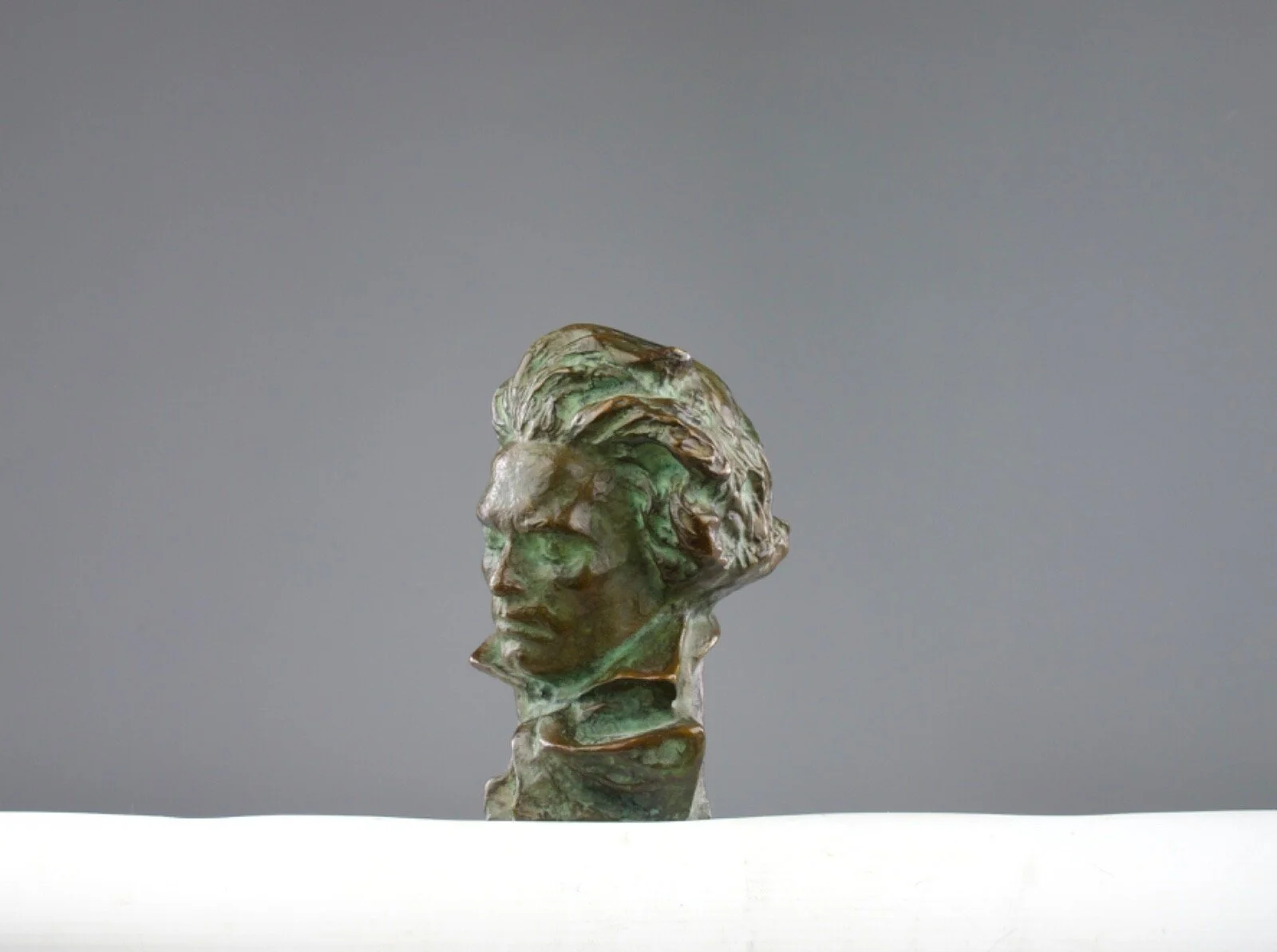 Image 3 of 12
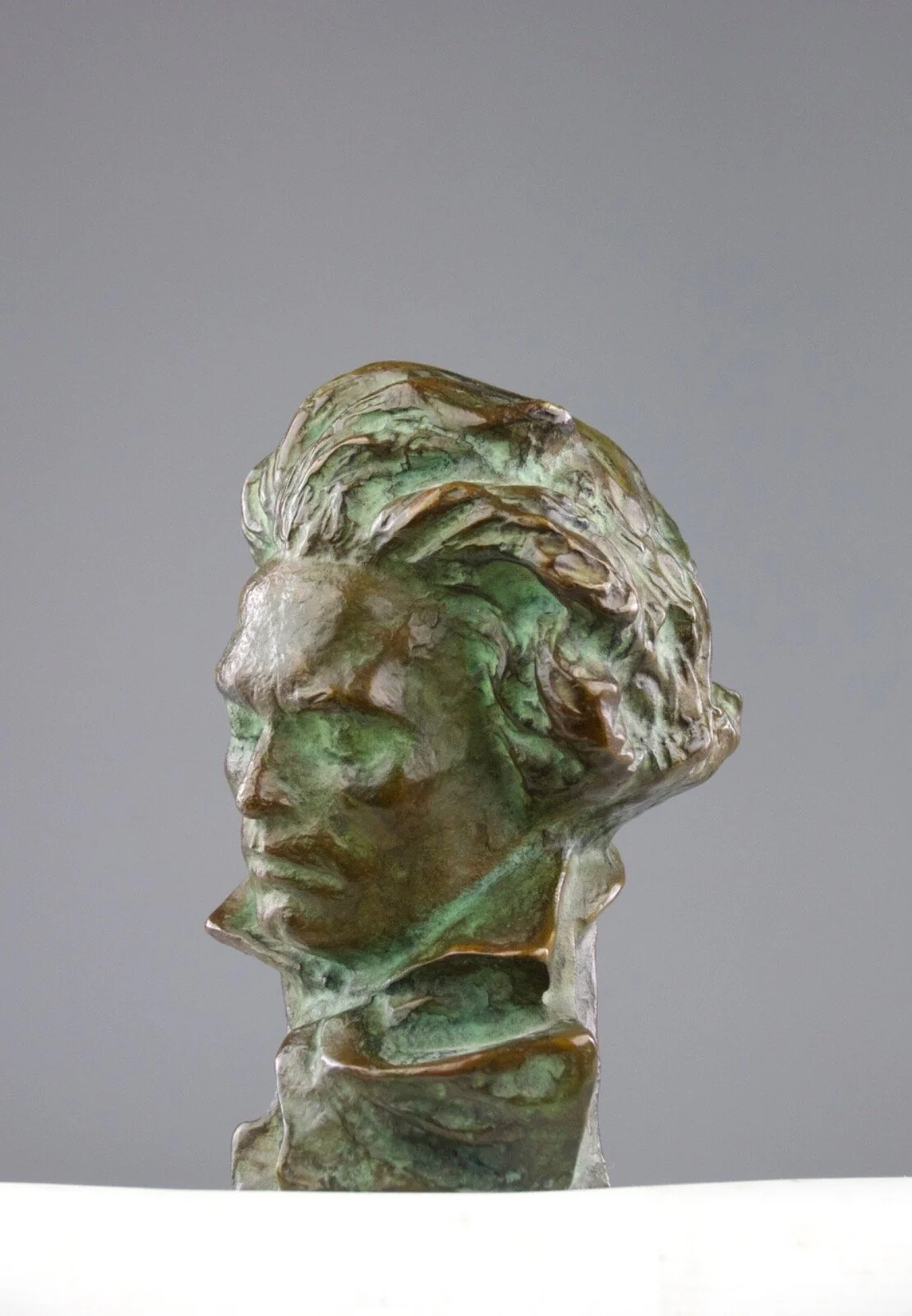 Image 4 of 12
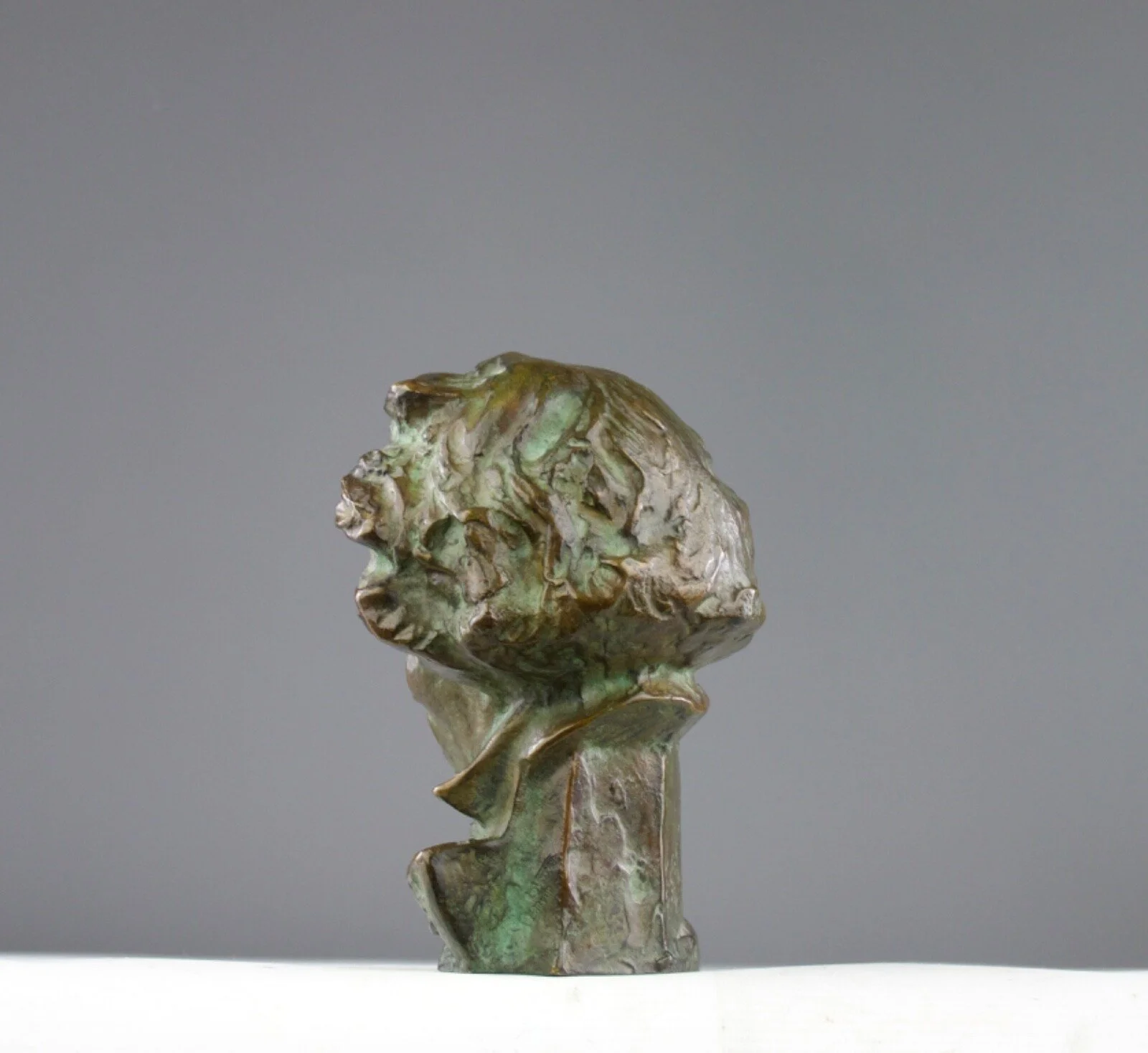 Image 5 of 12
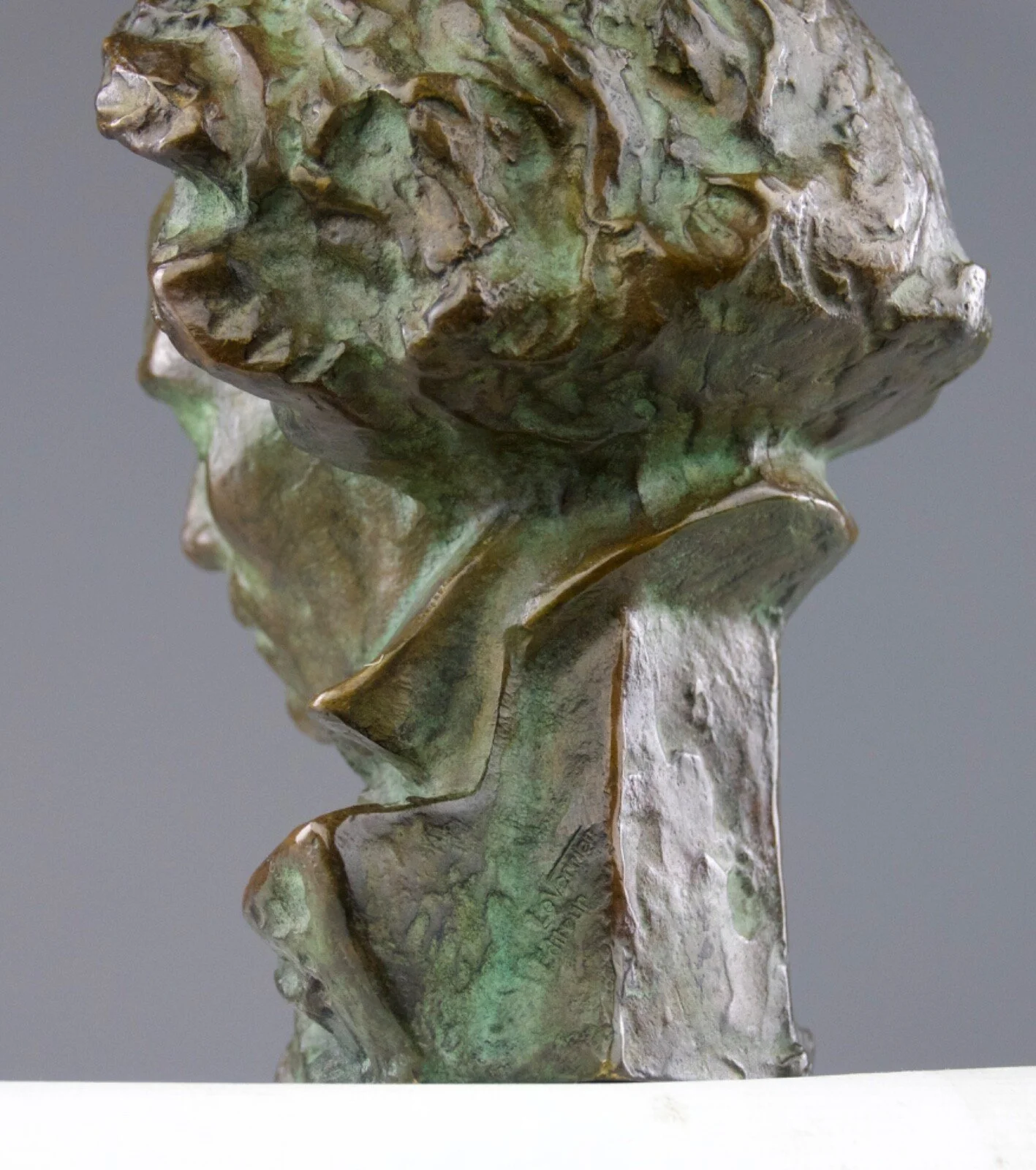 Image 6 of 12
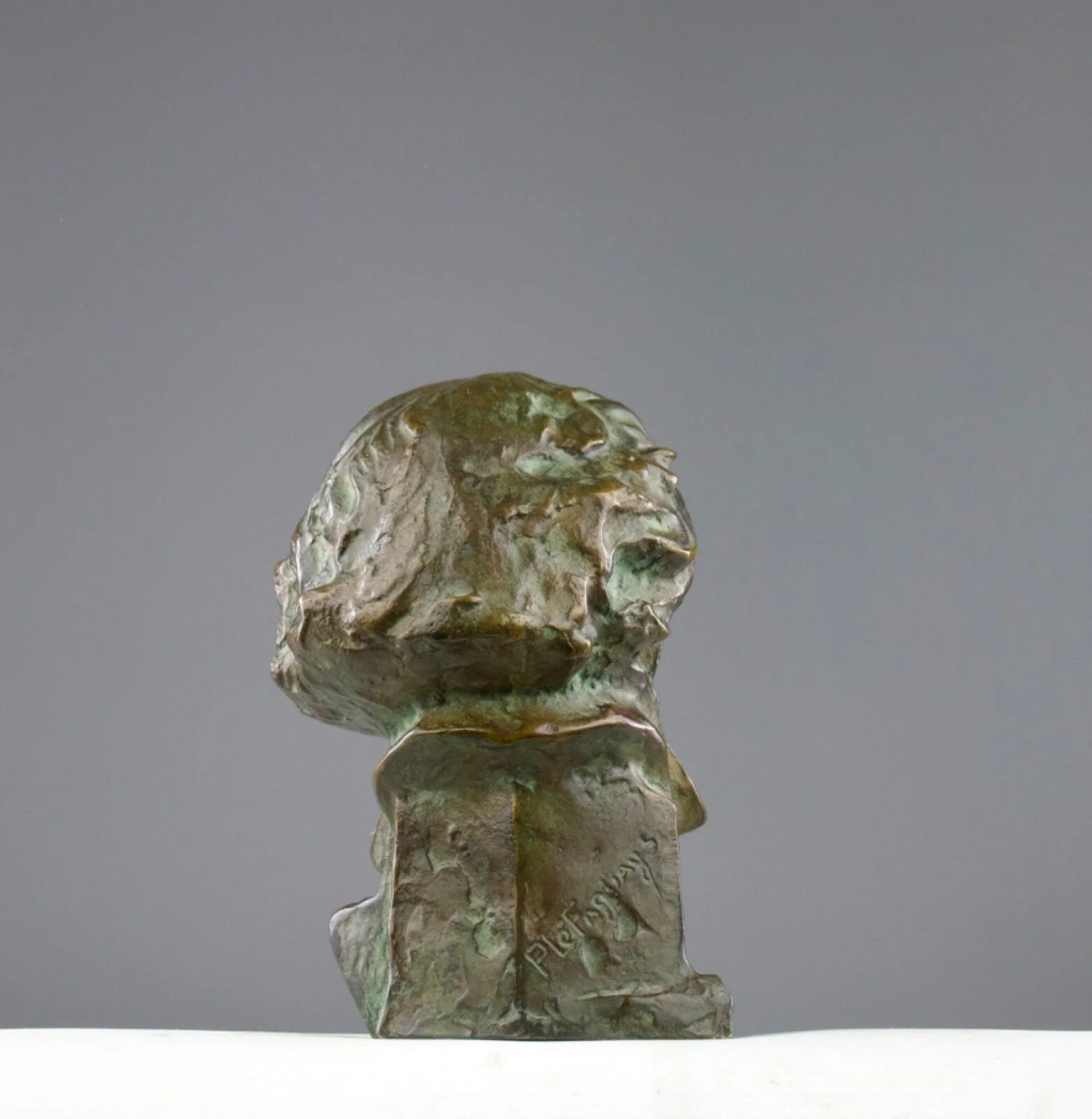 Image 7 of 12
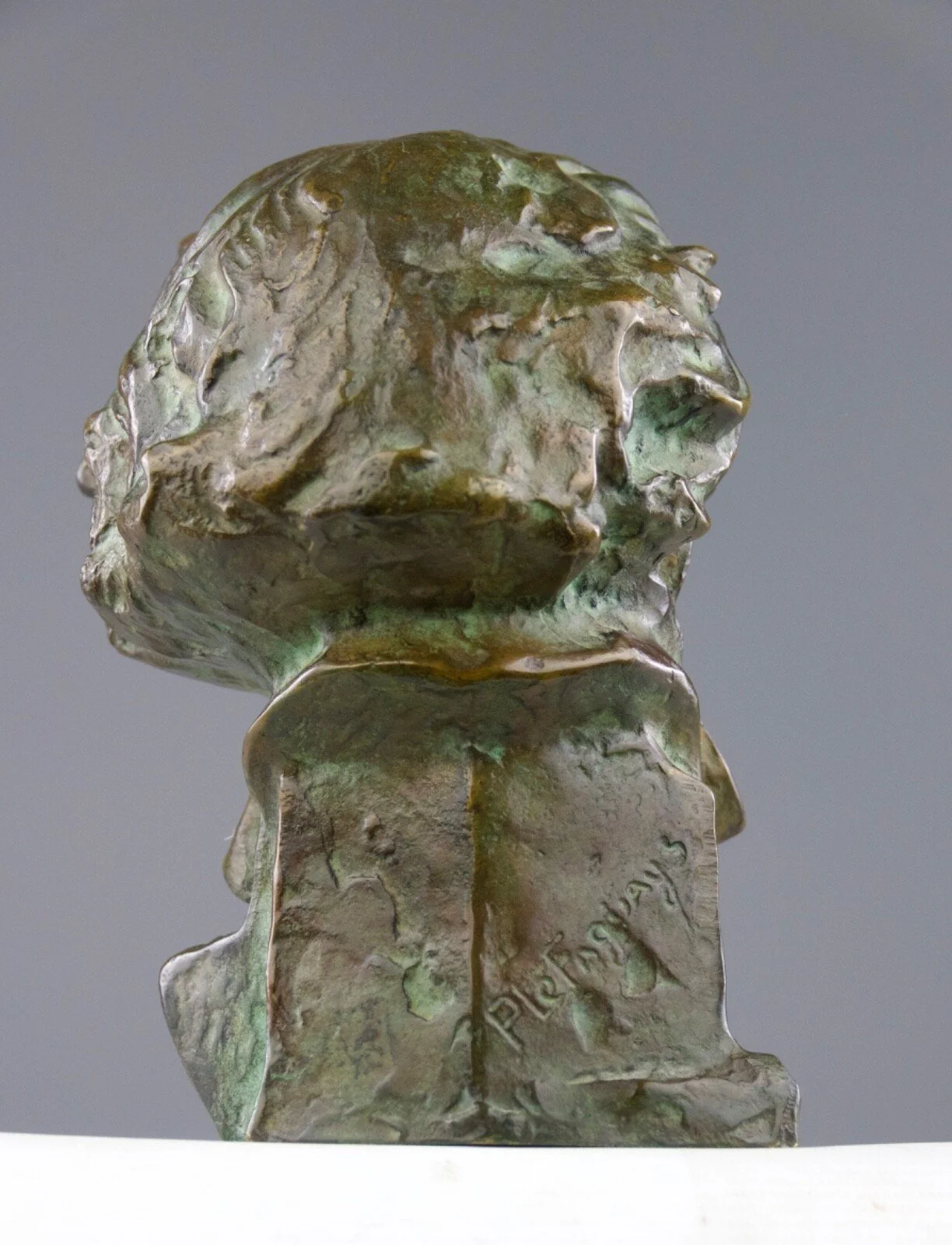 Image 8 of 12
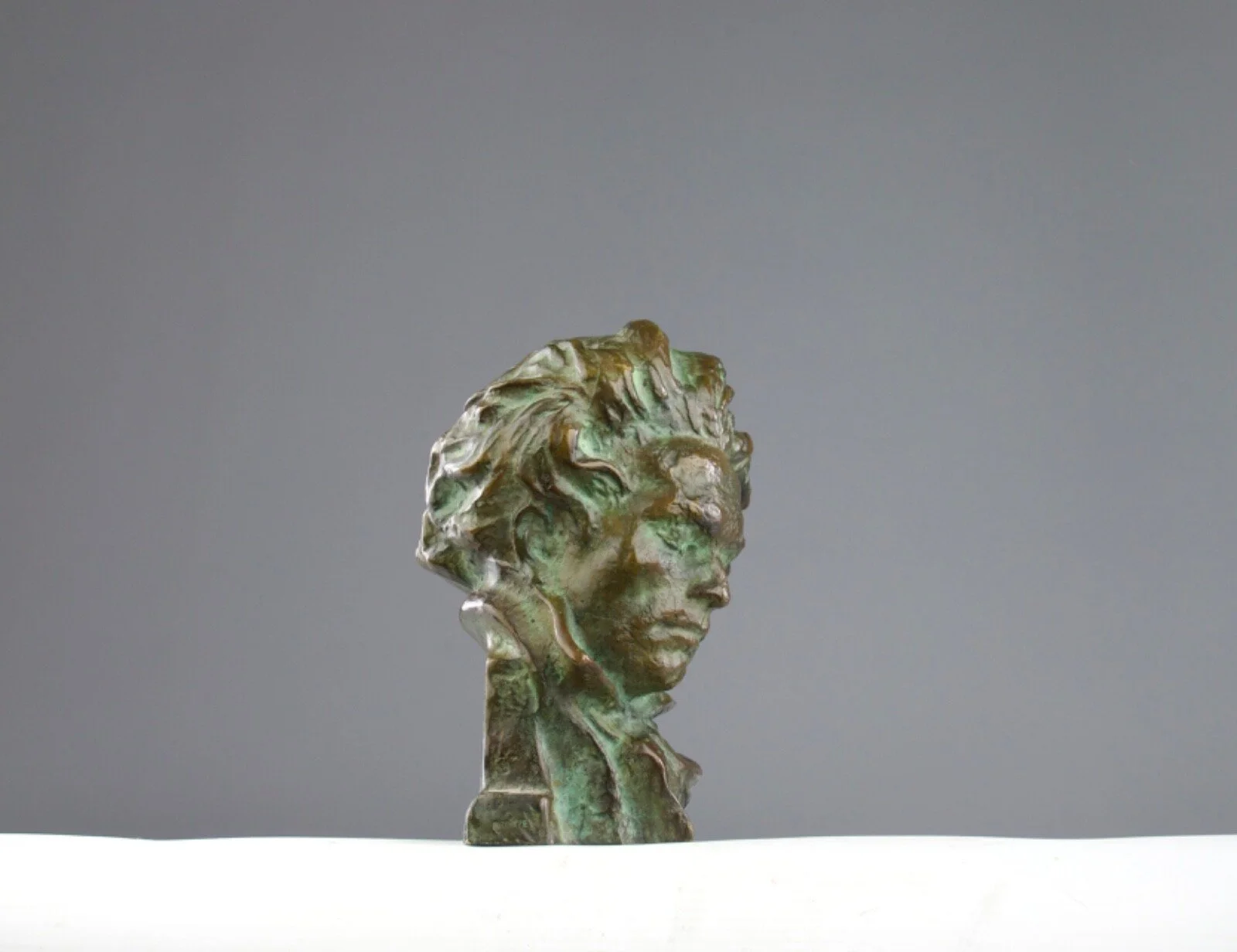 Image 9 of 12
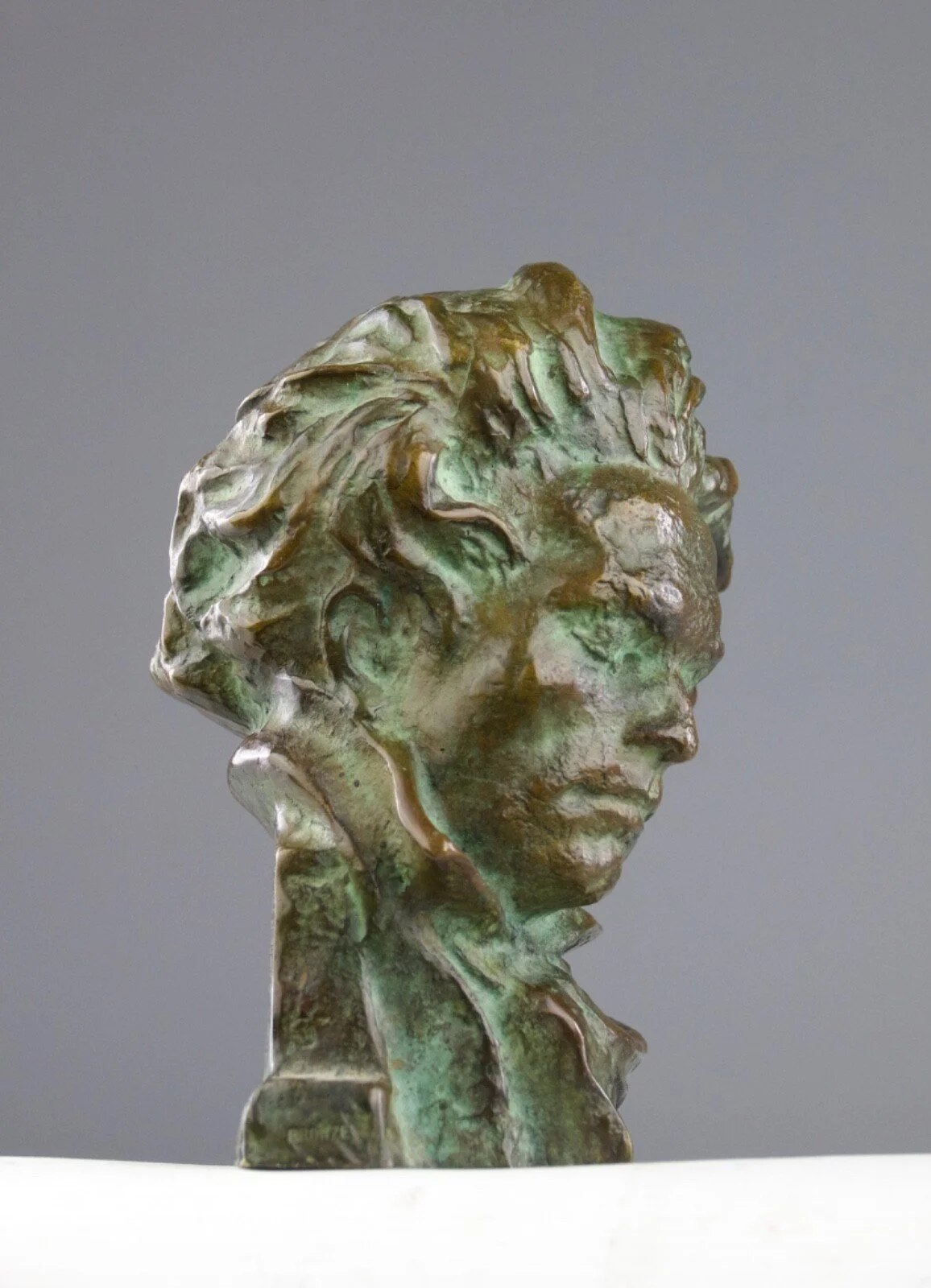 Image 10 of 12
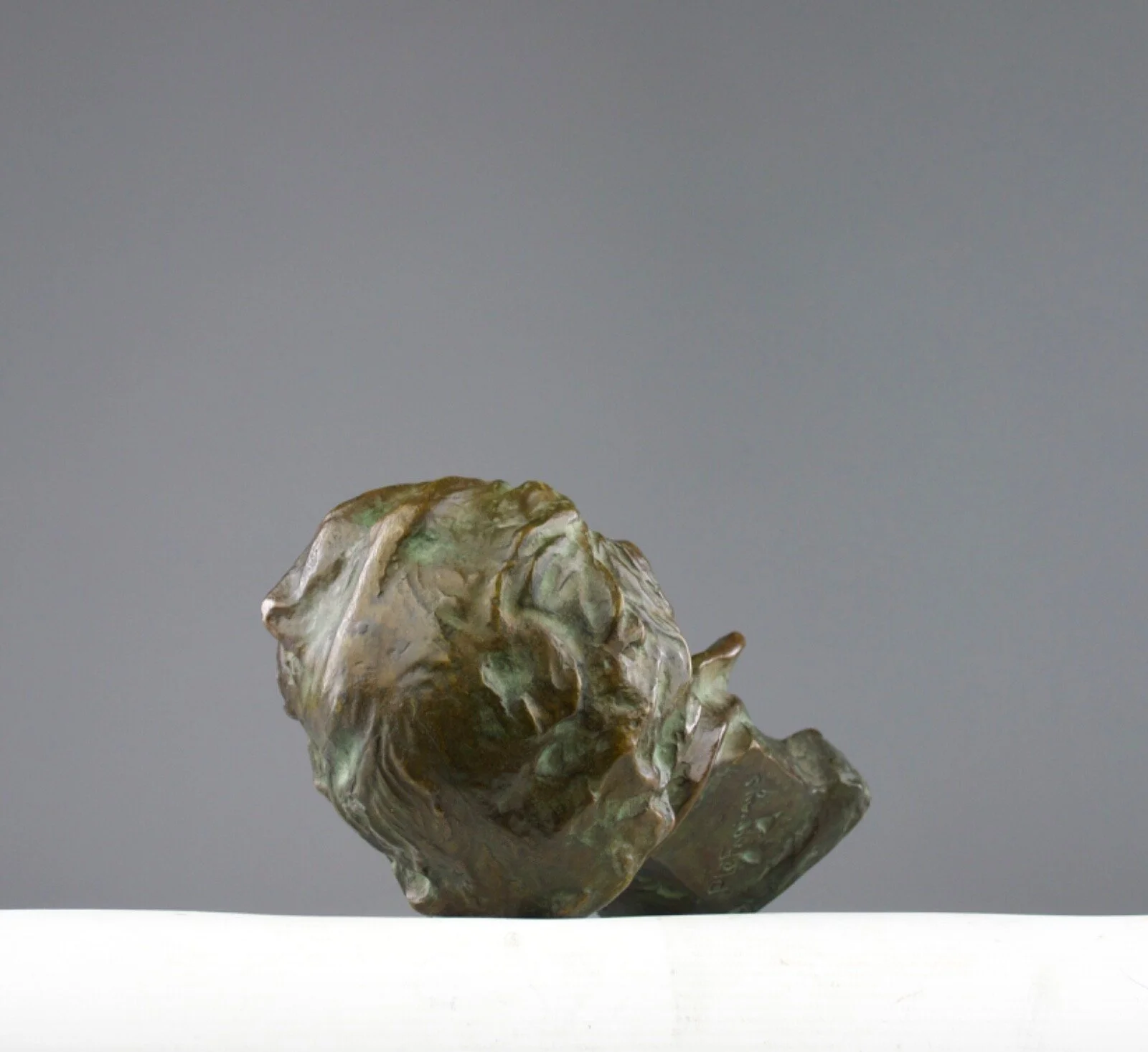 Image 11 of 12
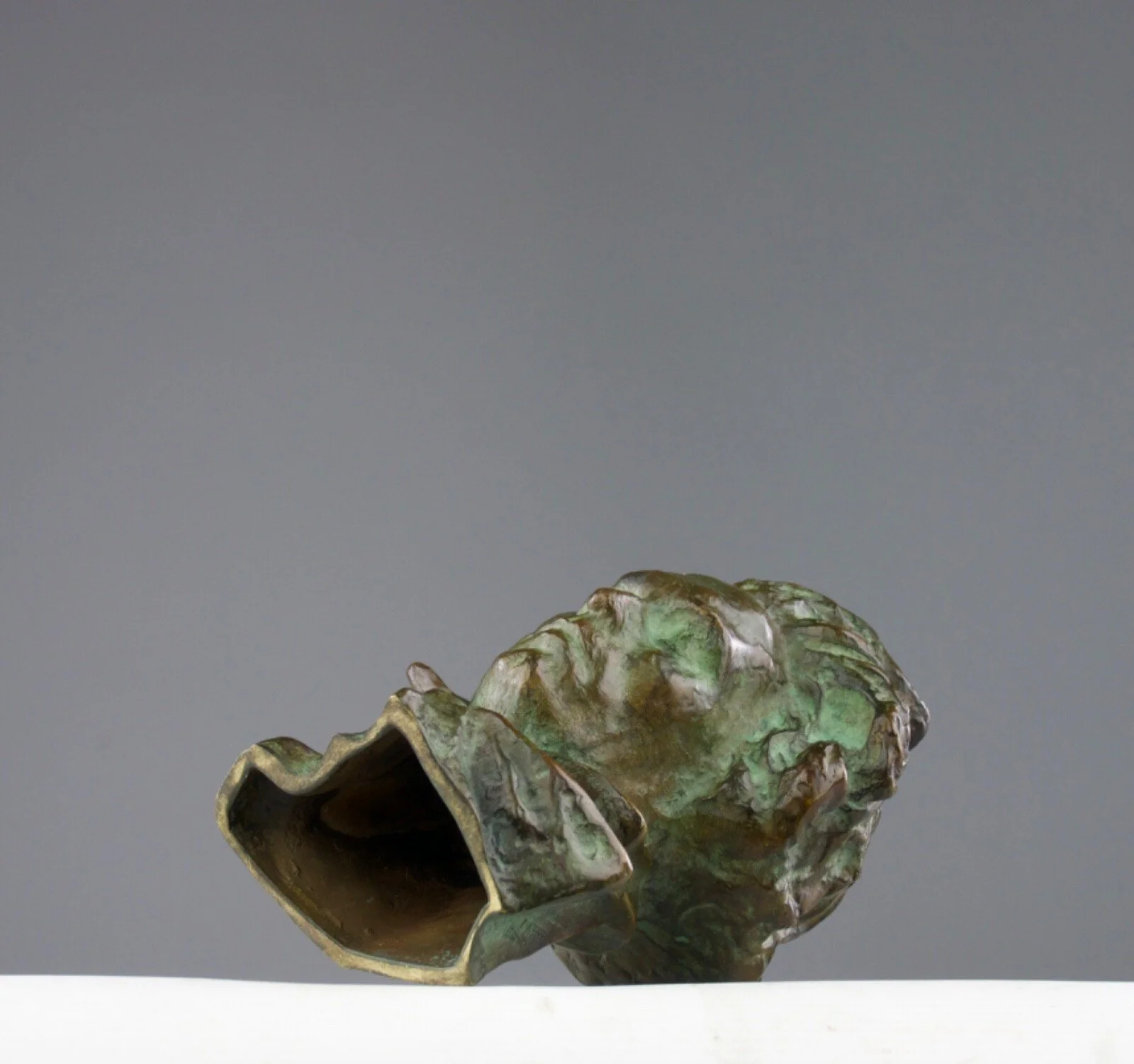 Image 12 of 12