 Image 1 of 5
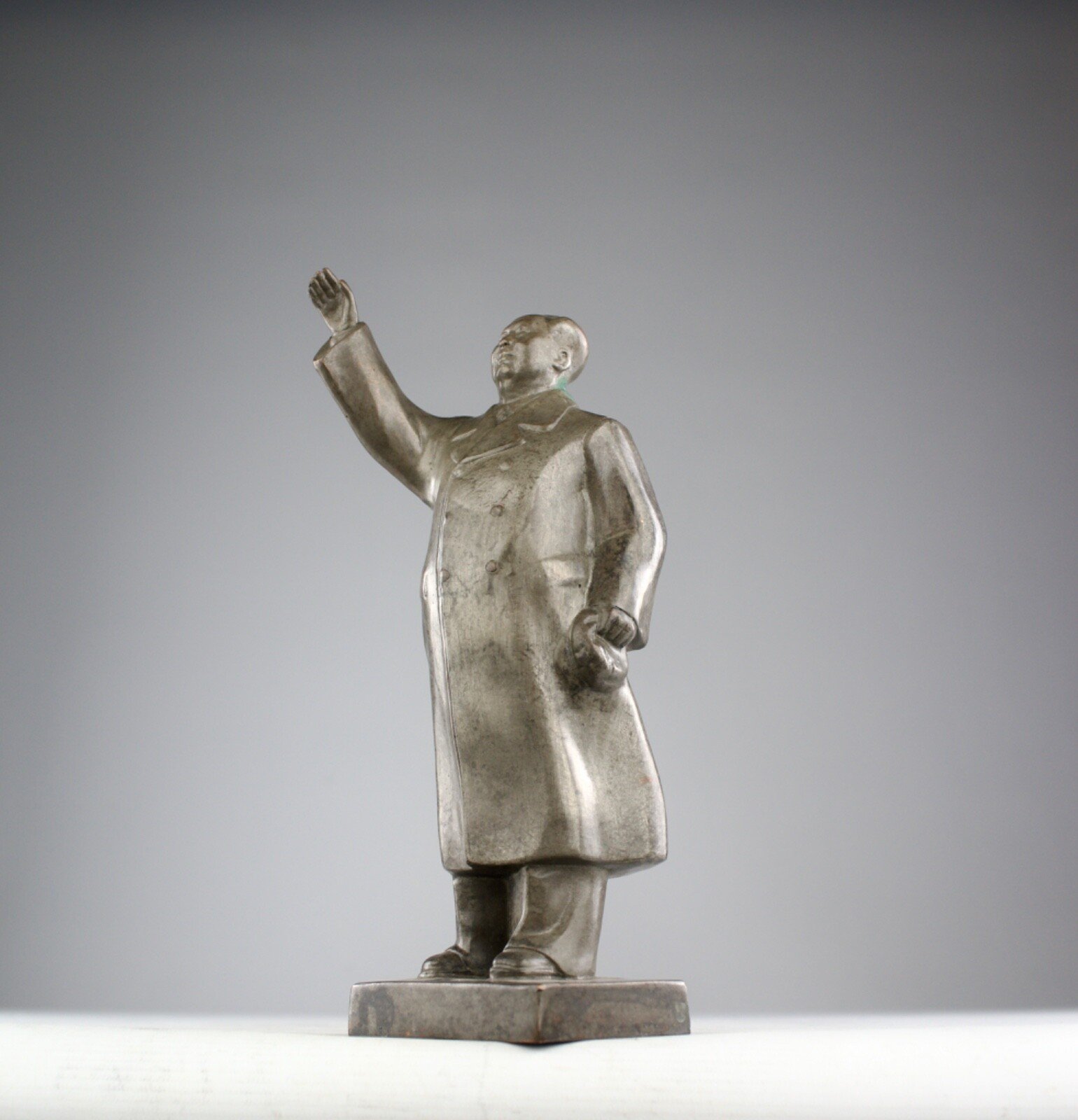 Image 2 of 5
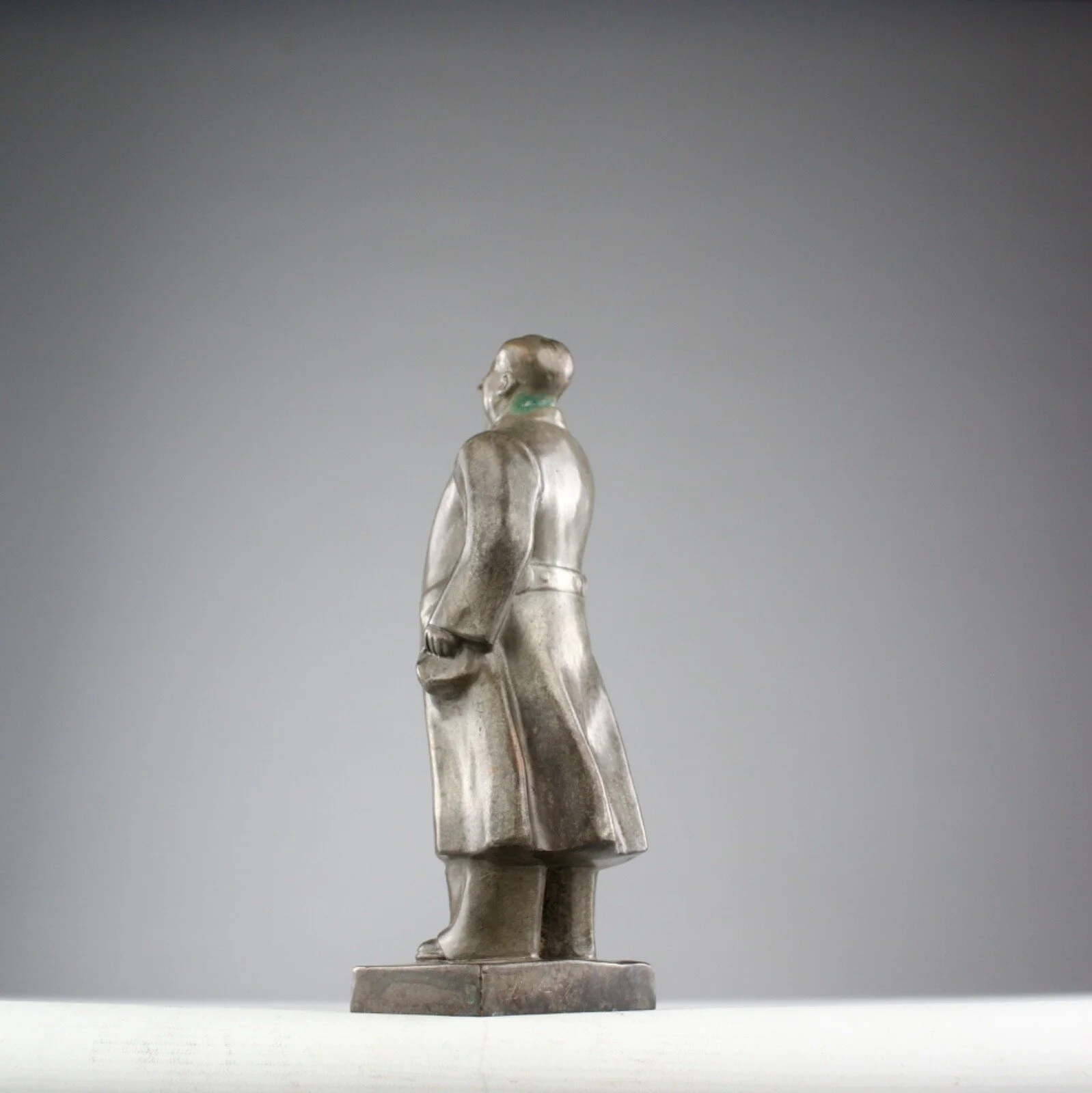 Image 3 of 5
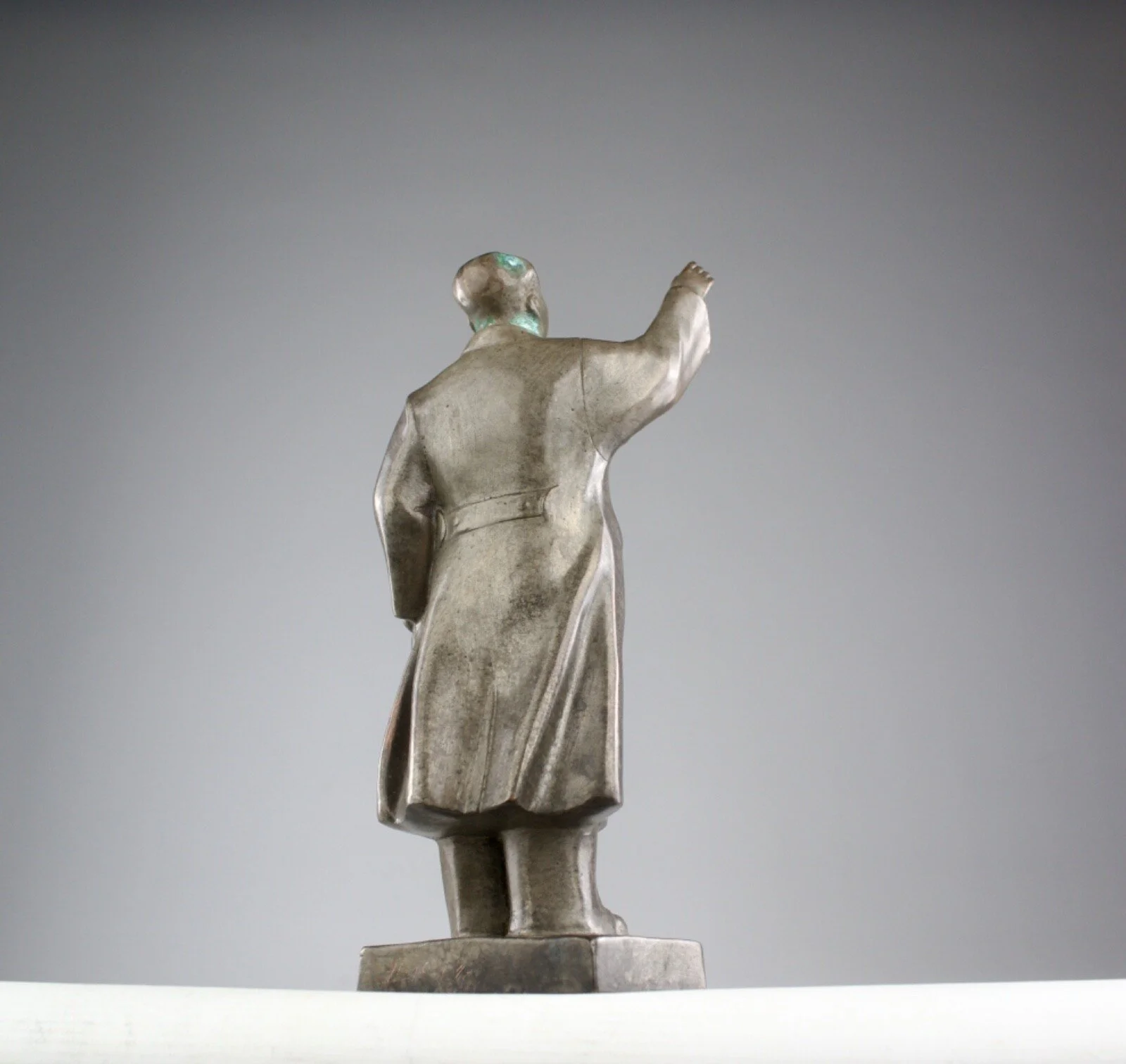 Image 4 of 5
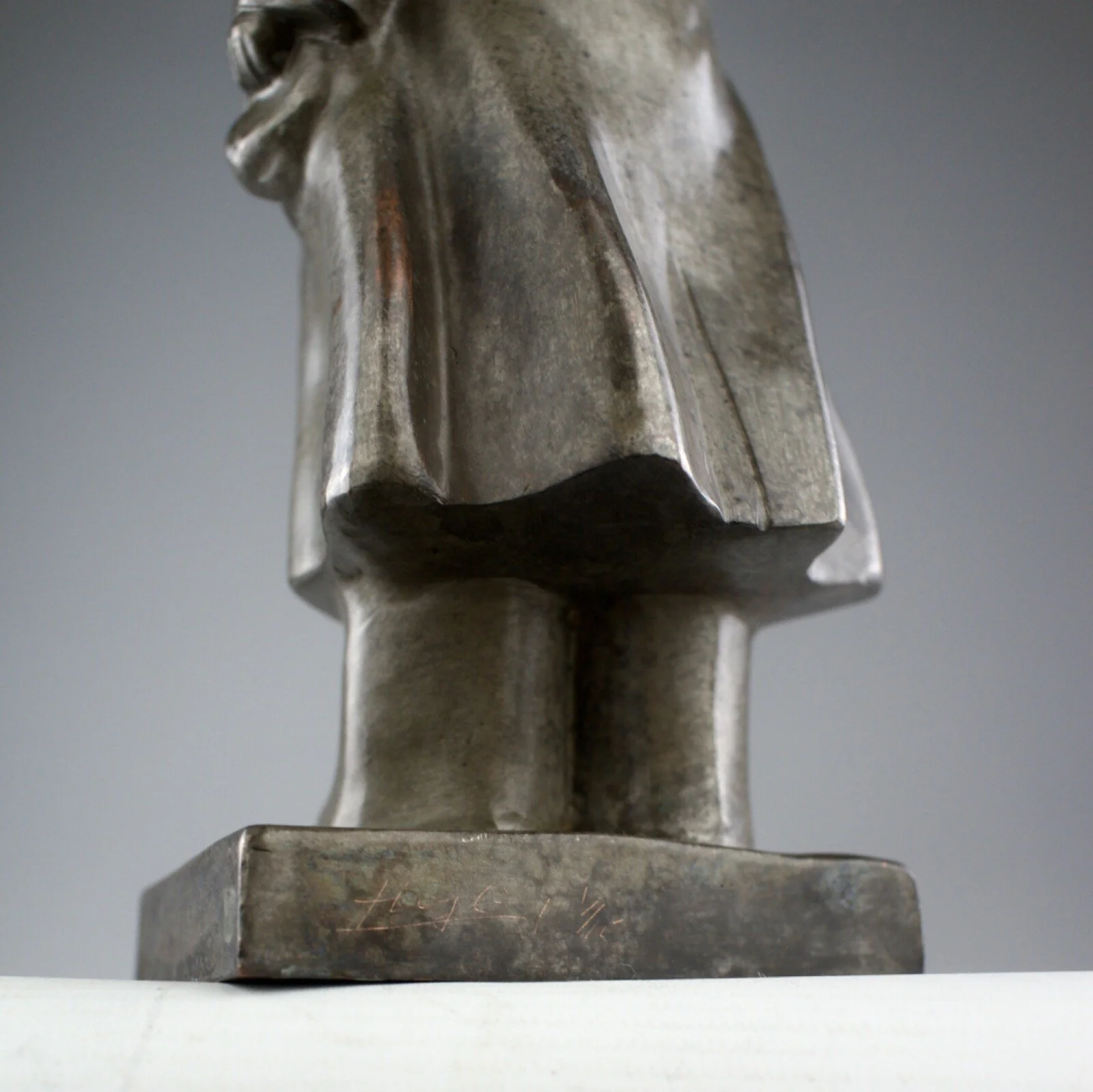 Image 5 of 5
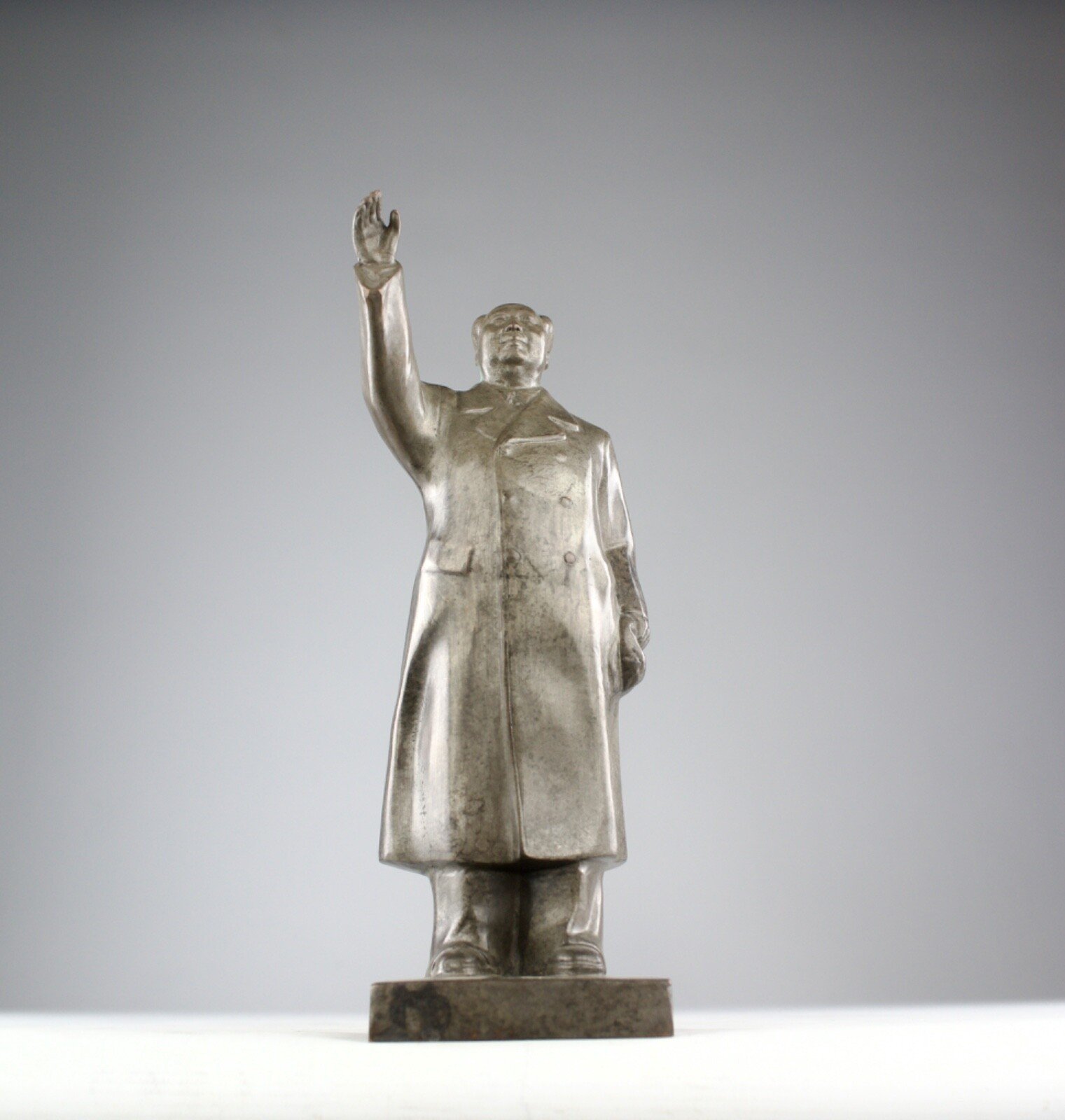
Beautiful contemporary art sculptural representation of Mao Zedong by Huang Gang (1961) from the early 2000s Chinese art movement. Signed and numbered.
Dimensions in cm ( H x L x l ) : 27 x 9.5 x 9
Very good condition.
Secure shipping.
Huang Gang was born in Beijing in 1961. He graduated from the Central Academy of Art and Design in 1984 and obtained a master's degree in 1991.
Huang Gang creates artworks with a new approach and a unique style that distinguishes him from other artists. He is recognized worldwide and has received high praise from audiences of diverse nations and cultural backgrounds. He spent his childhood and adolescence during the tumult of the Chinese Cultural Revolution. Influenced by his father, a renowned professor of Chinese art history, and his mother, an archaeological analyst, he was raised within the traditions of Chinese art and quickly began practicing calligraphy. In 1995, he won the silver prize at the first International Environmental Artists’ Competition in Beijing, which was exhibited. He was notably interviewed by the magazine "LE FIGARO" in 1997 during his participation in the Beijing International Art Fair.
Significant changes occurred as China transitioned from communism and the Cultural Revolution to mercantilism and Westernization, which is reflected in the work of many contemporary Chinese artists. This evolution also influenced Huang Gang and his artistic expression. The central idea of Huang Gang's art revolves around the use of symbols to express culture, social norms, and history. In his work, the symbols have common cognitive meanings dictated by the environment of the Cultural Revolution period in China. The use of "stars" in his art is an example. While widely associated with many interpretations, when placed in the Chinese context, it refers to a distinct period of history. For someone aware of and within the sphere of shared history, it immediately evokes the Cultural Revolution.
Selected Awards:
1991 Ikuo Hirayama Award
1995 Silver Prize, First International Environmental Art Exhibition, Beijing.
This item is a work of art or an antique over 100 years old. Shipping restrictions and import regulations may apply depending on your country. Please contact us before placing your order so we can confirm carrier eligibility, customs requirements and any documentation needed for import.
Offered by RDS Gallery, Paris. Worldwide shipping with specialist packaging.
Beautiful contemporary art sculptural representation of Mao Zedong by Huang Gang (1961) from the early 2000s Chinese art movement. Signed and numbered.
Dimensions in cm ( H x L x l ) : 27 x 9.5 x 9
Very good condition.
Secure shipping.
Huang Gang was born in Beijing in 1961. He graduated from the Central Academy of Art and Design in 1984 and obtained a master's degree in 1991.
Huang Gang creates artworks with a new approach and a unique style that distinguishes him from other artists. He is recognized worldwide and has received high praise from audiences of diverse nations and cultural backgrounds. He spent his childhood and adolescence during the tumult of the Chinese Cultural Revolution. Influenced by his father, a renowned professor of Chinese art history, and his mother, an archaeological analyst, he was raised within the traditions of Chinese art and quickly began practicing calligraphy. In 1995, he won the silver prize at the first International Environmental Artists’ Competition in Beijing, which was exhibited. He was notably interviewed by the magazine "LE FIGARO" in 1997 during his participation in the Beijing International Art Fair.
Significant changes occurred as China transitioned from communism and the Cultural Revolution to mercantilism and Westernization, which is reflected in the work of many contemporary Chinese artists. This evolution also influenced Huang Gang and his artistic expression. The central idea of Huang Gang's art revolves around the use of symbols to express culture, social norms, and history. In his work, the symbols have common cognitive meanings dictated by the environment of the Cultural Revolution period in China. The use of "stars" in his art is an example. While widely associated with many interpretations, when placed in the Chinese context, it refers to a distinct period of history. For someone aware of and within the sphere of shared history, it immediately evokes the Cultural Revolution.
Selected Awards:
1991 Ikuo Hirayama Award
1995 Silver Prize, First International Environmental Art Exhibition, Beijing.
This item is a work of art or an antique over 100 years old. Shipping restrictions and import regulations may apply depending on your country. Please contact us before placing your order so we can confirm carrier eligibility, customs requirements and any documentation needed for import.
Offered by RDS Gallery, Paris. Worldwide shipping with specialist packaging.