Absolutely stunning sculpture by Ernst Seger depicting Salomé, dancing before Herod. A dark black marble composes the floral motif base and dress. Circa 1910.
In very good condition. Signed on the base.
Dimensions in cm ( H x L x l ) : 51 x 25 x 14.5
Secure shipping.
Ernst Seger’s Salomé captures the biblical dancer at a moment of poised, almost ritualistic intensity — a vision of grace, sensuality, and restraint. Her body, carved in pale marble, contrasts strikingly with the dark, flowing drapery that clings to her hips, emphasizing both motion and modesty. She leans forward in a rhythmic, almost supplicating gesture, her arms extended and hands open as if offering or receiving something unseen — a movement that evokes both dance and devotion. The upward tilt of her head and the tension in her limbs suggest rapture, yet her expression remains distant, absorbed in an inner world. Seger’s handling of form and texture gives the figure life: the smooth luminosity of her skin against the richly worked, darker garment creates a visual dialogue between purity and passion. Rather than portraying Salomé as a cruel seductress, Seger reveals her as a creature of grace and inner turmoil — a dancer caught between the sacred and the profane, suspended in the timeless instant before ecstasy turns to tragedy.
Ernst Seger (1868–1939) was a German sculptor best known for his expressive, finely modeled figures that blend classical grace with emotional realism. Born in Neisse, Silesia (now Nysa, Poland), Seger initially trained as a stonemason before studying sculpture formally at the Art Academy in Berlin. He became a pupil of Christian Daniel Rauch, one of the leading figures of the German neoclassical school, and later worked in the studios of Reinhold Begas, whose influence introduced him to the dynamic forms and emotional intensity of the Berlin Secession style. Seger’s works often portrayed allegorical, mythological, and humanistic subjects, emphasizing delicate modeling and introspective expression. He was particularly admired for his portraits and nudes, which combined technical precision with a deep sense of humanity.
This item is a work of art or an antique over 100 years old. Shipping restrictions and import regulations may apply depending on your country. Please contact us before placing your order so we can confirm carrier eligibility, customs requirements and any documentation needed for import.
Offered by RDS Gallery, Paris. Worldwide shipping with specialist packaging.
Absolutely stunning sculpture by Ernst Seger depicting Salomé, dancing before Herod. A dark black marble composes the floral motif base and dress. Circa 1910.
In very good condition. Signed on the base.
Dimensions in cm ( H x L x l ) : 51 x 25 x 14.5
Secure shipping.
Ernst Seger’s Salomé captures the biblical dancer at a moment of poised, almost ritualistic intensity — a vision of grace, sensuality, and restraint. Her body, carved in pale marble, contrasts strikingly with the dark, flowing drapery that clings to her hips, emphasizing both motion and modesty. She leans forward in a rhythmic, almost supplicating gesture, her arms extended and hands open as if offering or receiving something unseen — a movement that evokes both dance and devotion. The upward tilt of her head and the tension in her limbs suggest rapture, yet her expression remains distant, absorbed in an inner world. Seger’s handling of form and texture gives the figure life: the smooth luminosity of her skin against the richly worked, darker garment creates a visual dialogue between purity and passion. Rather than portraying Salomé as a cruel seductress, Seger reveals her as a creature of grace and inner turmoil — a dancer caught between the sacred and the profane, suspended in the timeless instant before ecstasy turns to tragedy.
Ernst Seger (1868–1939) was a German sculptor best known for his expressive, finely modeled figures that blend classical grace with emotional realism. Born in Neisse, Silesia (now Nysa, Poland), Seger initially trained as a stonemason before studying sculpture formally at the Art Academy in Berlin. He became a pupil of Christian Daniel Rauch, one of the leading figures of the German neoclassical school, and later worked in the studios of Reinhold Begas, whose influence introduced him to the dynamic forms and emotional intensity of the Berlin Secession style. Seger’s works often portrayed allegorical, mythological, and humanistic subjects, emphasizing delicate modeling and introspective expression. He was particularly admired for his portraits and nudes, which combined technical precision with a deep sense of humanity.
This item is a work of art or an antique over 100 years old. Shipping restrictions and import regulations may apply depending on your country. Please contact us before placing your order so we can confirm carrier eligibility, customs requirements and any documentation needed for import.
Offered by RDS Gallery, Paris. Worldwide shipping with specialist packaging.
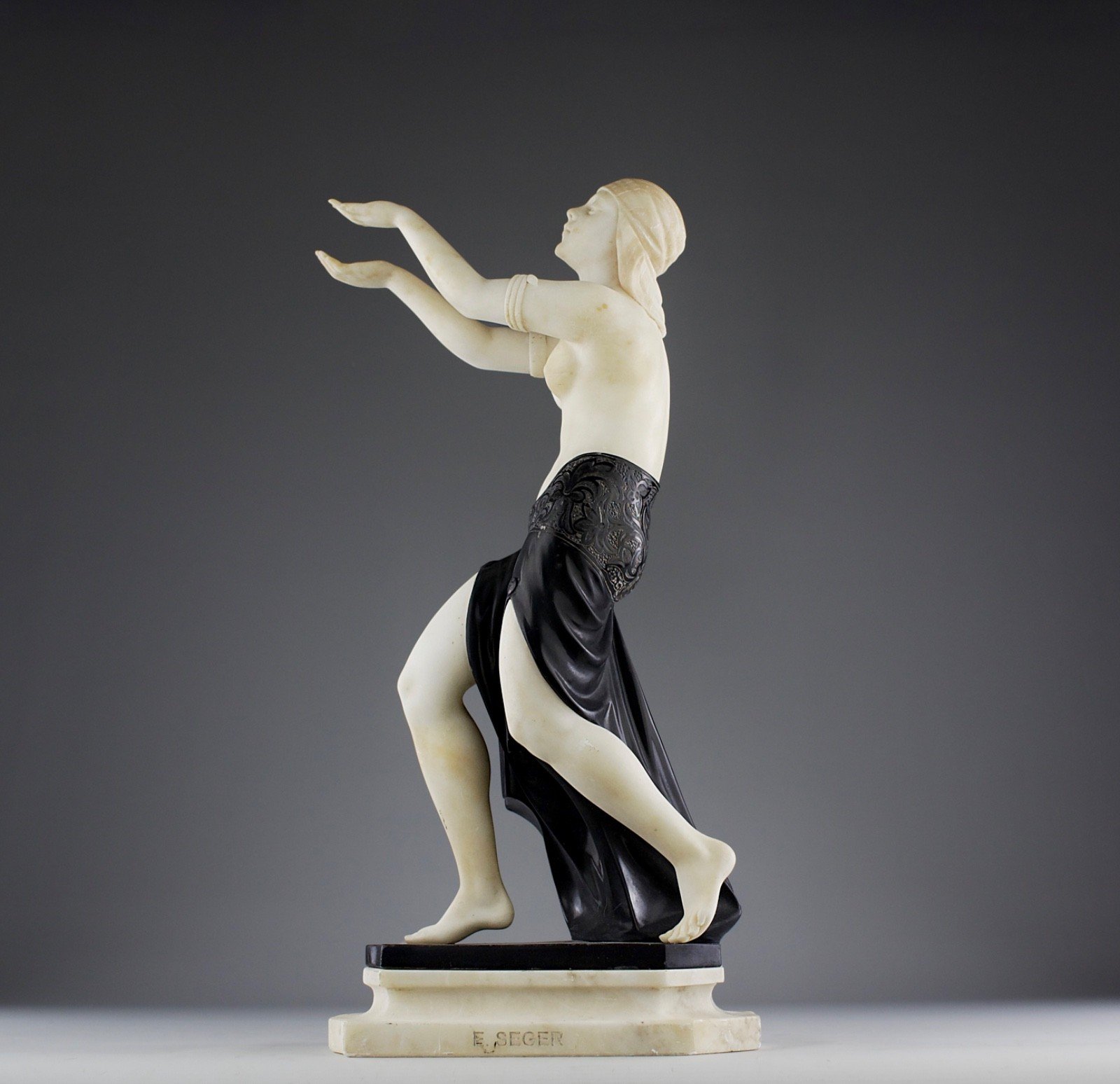 Image 1 of 13
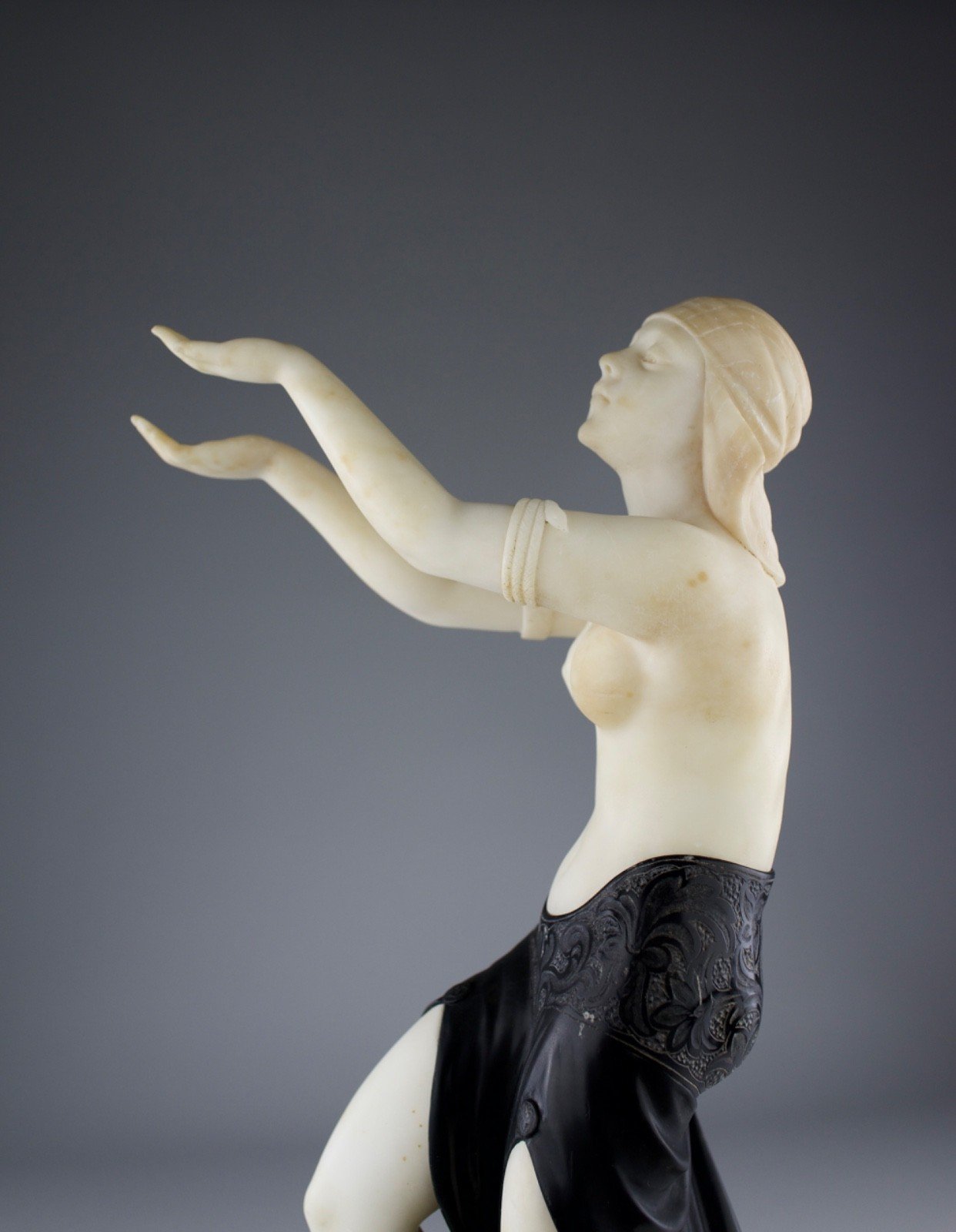 Image 2 of 13
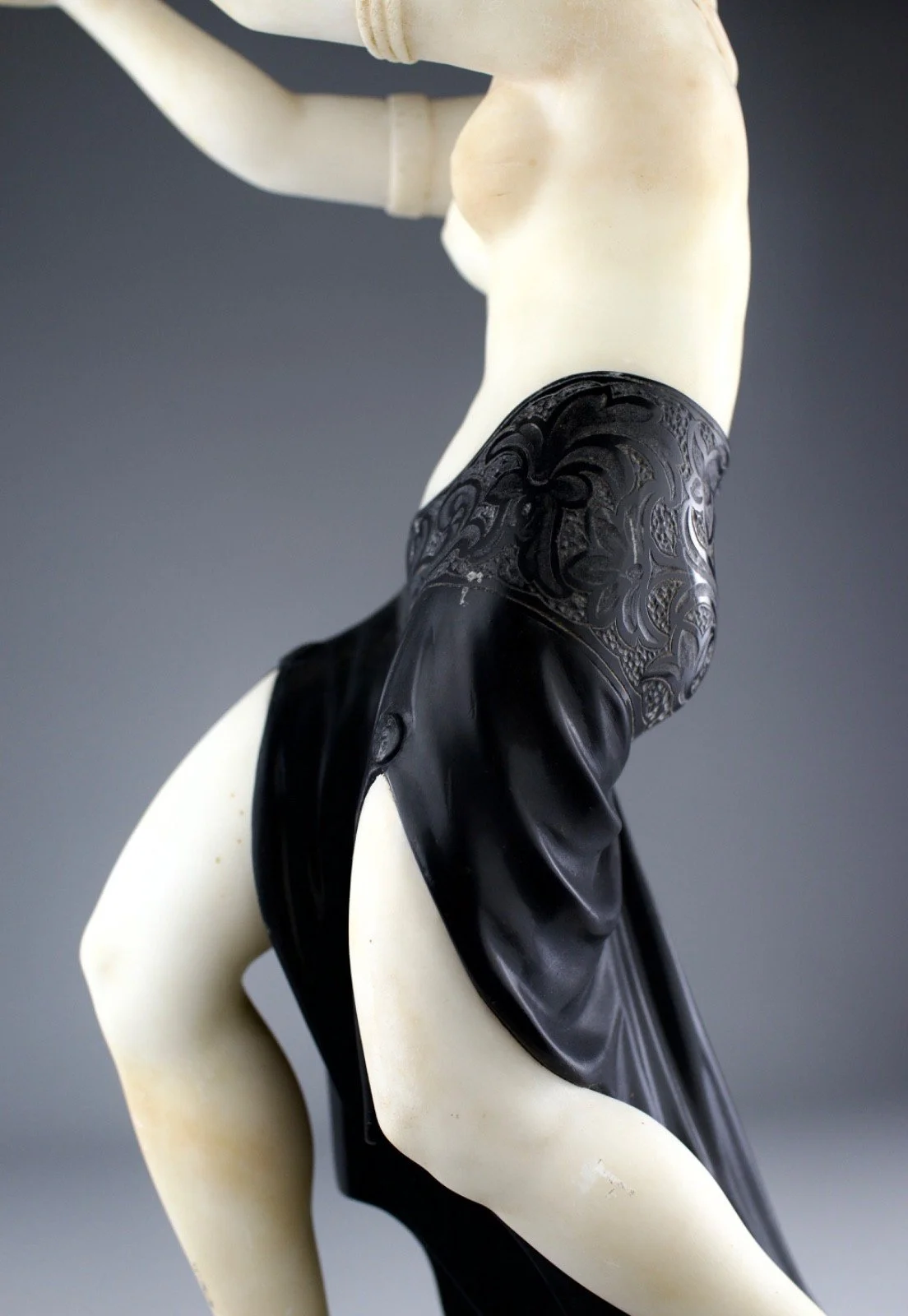 Image 3 of 13
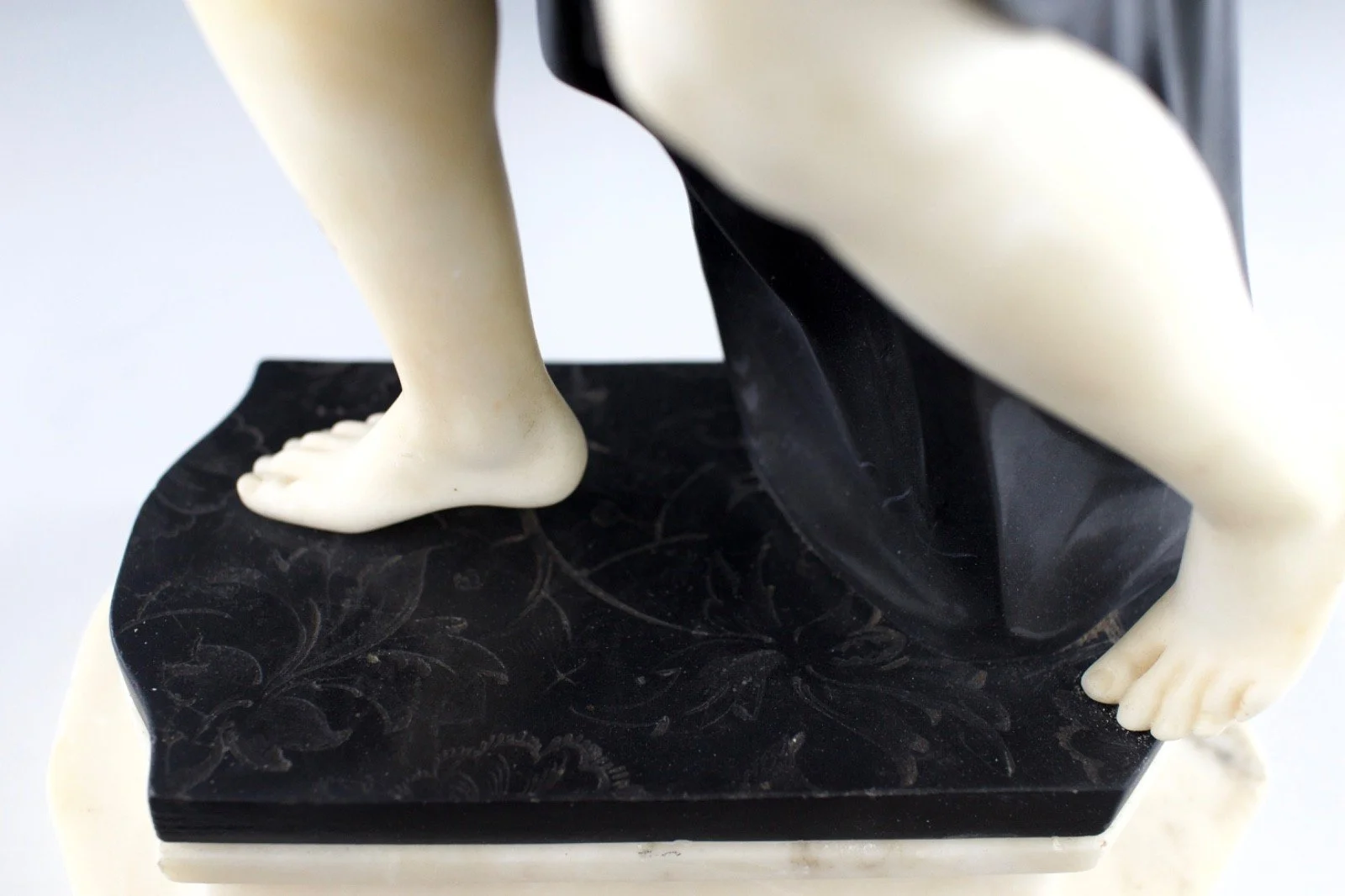 Image 4 of 13
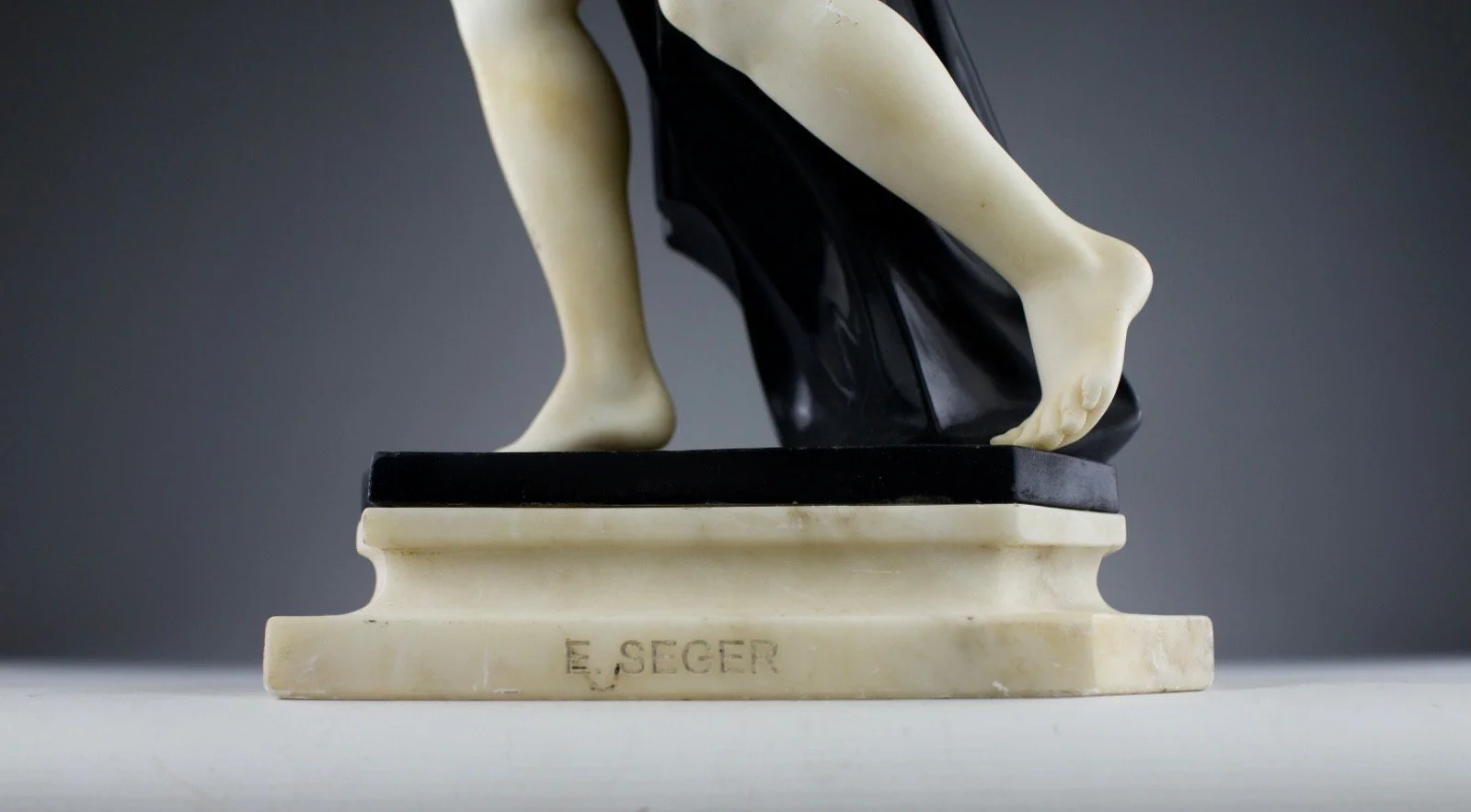 Image 5 of 13
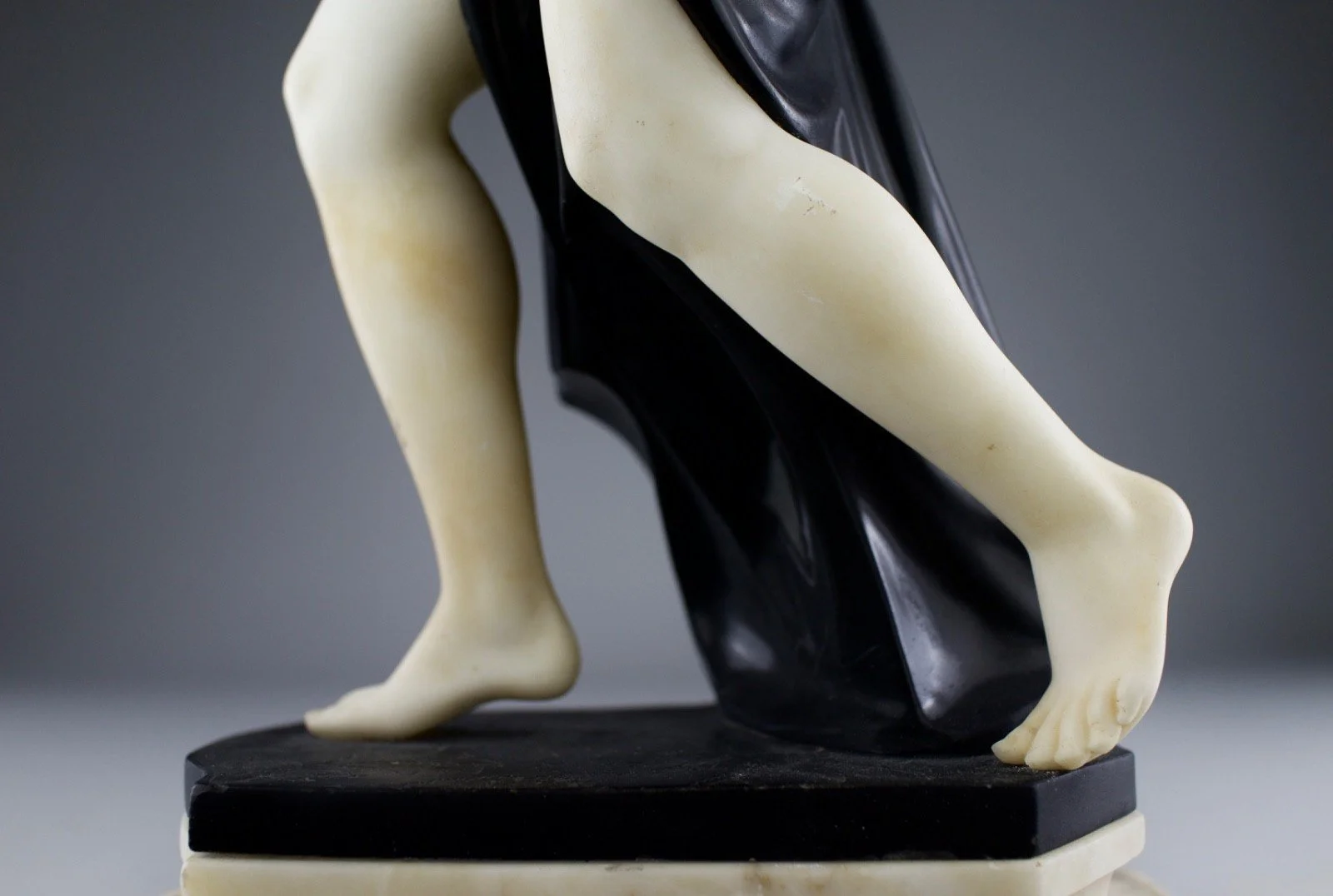 Image 6 of 13
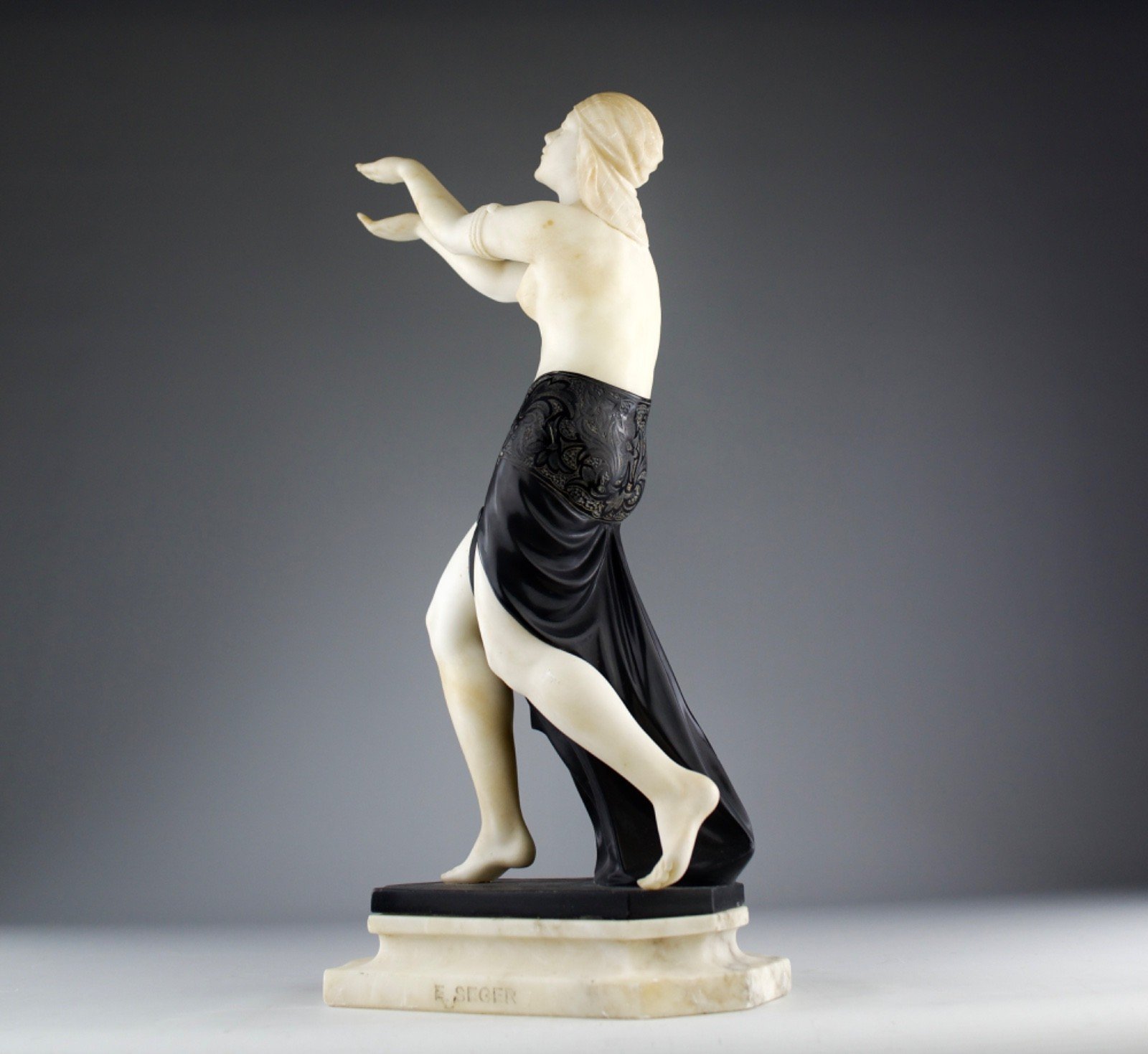 Image 7 of 13
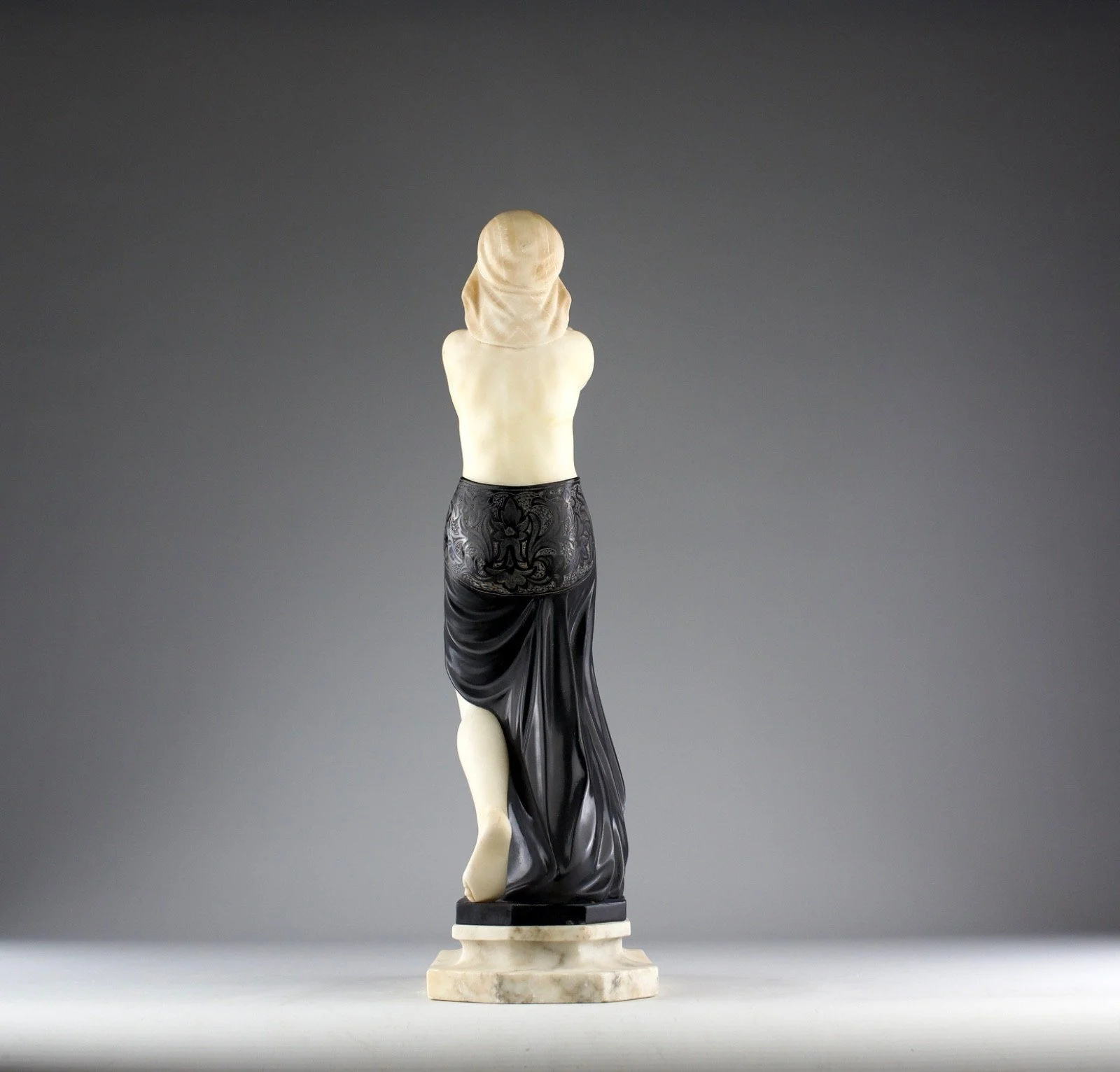 Image 8 of 13
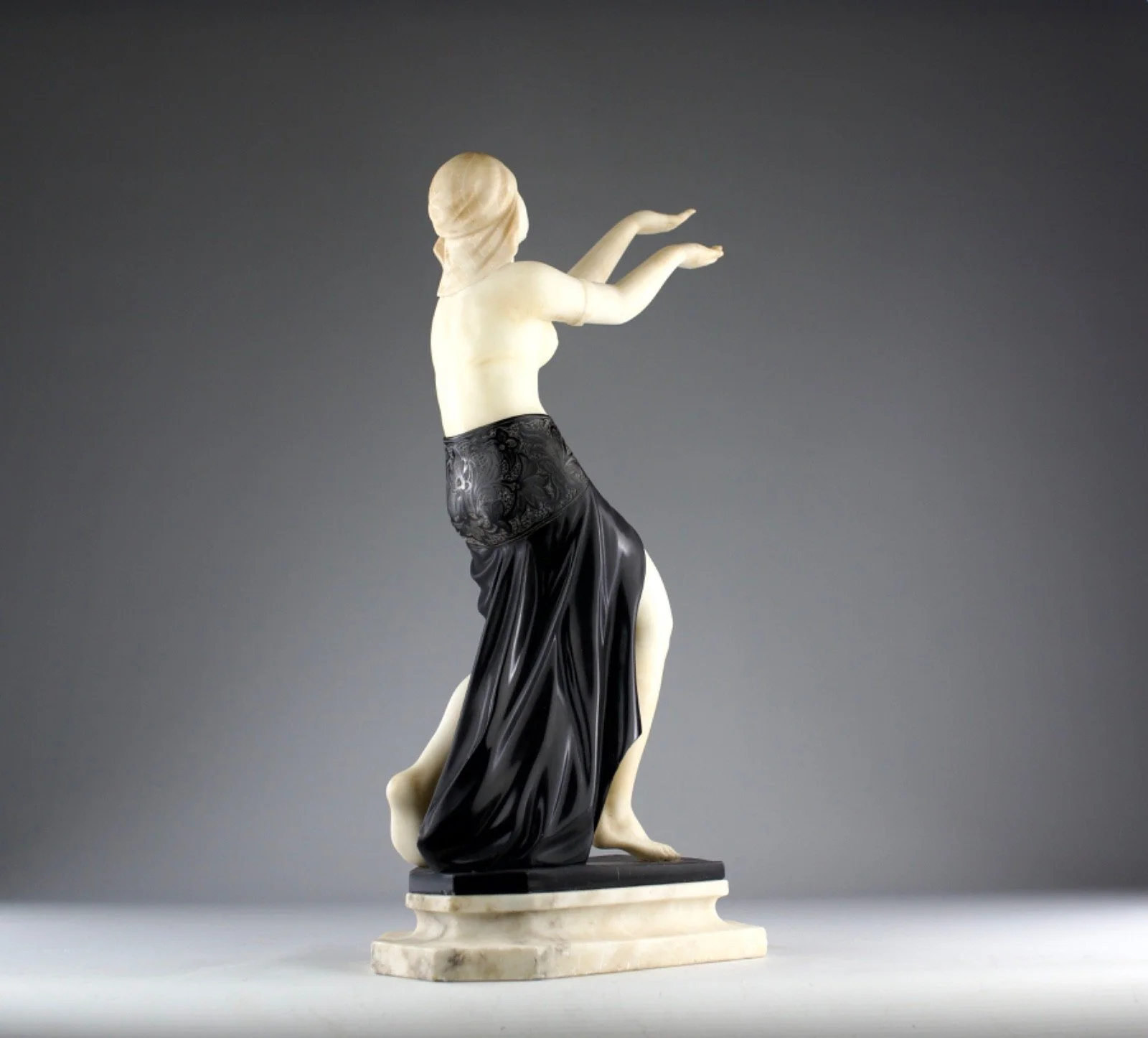 Image 9 of 13
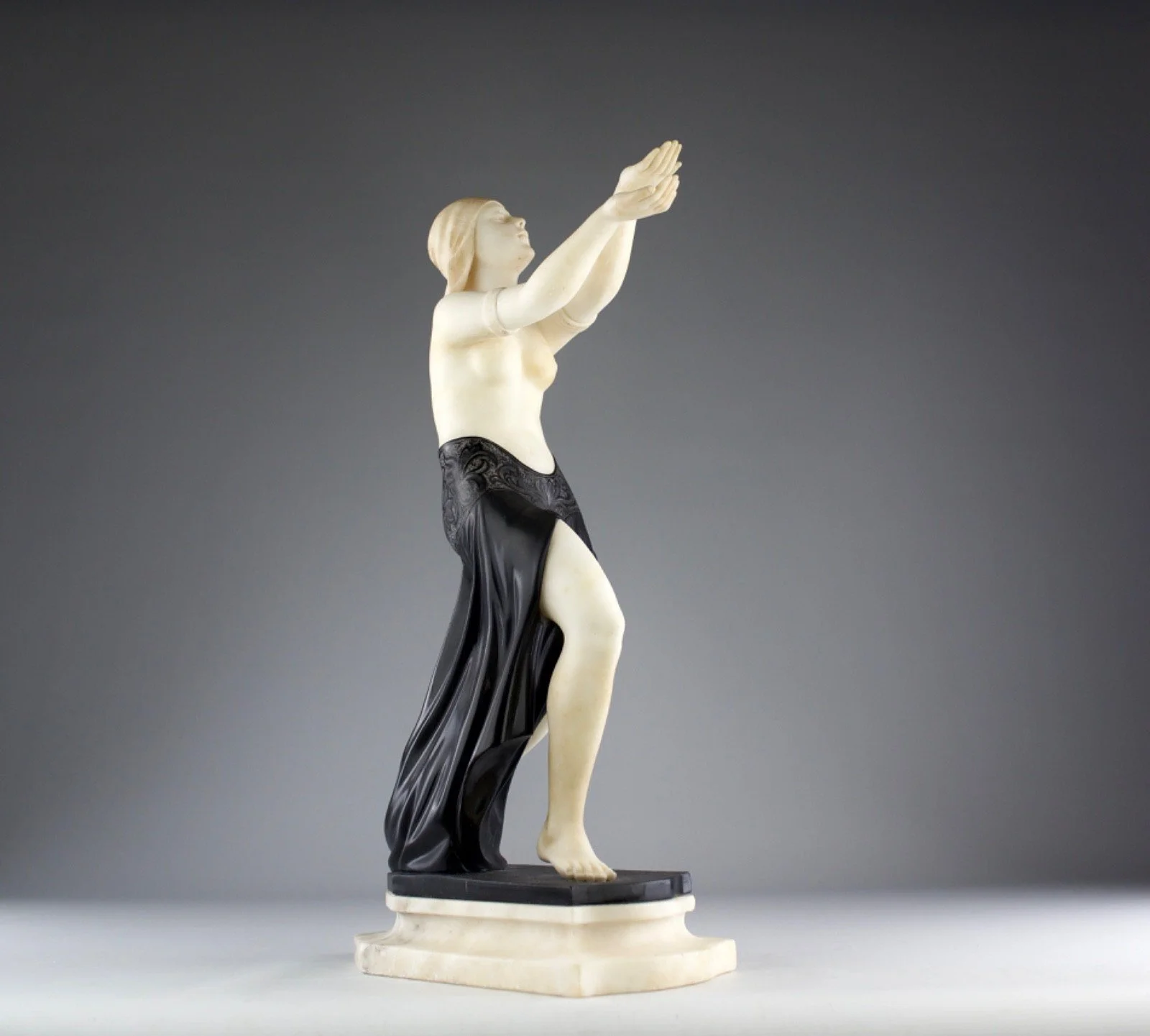 Image 10 of 13
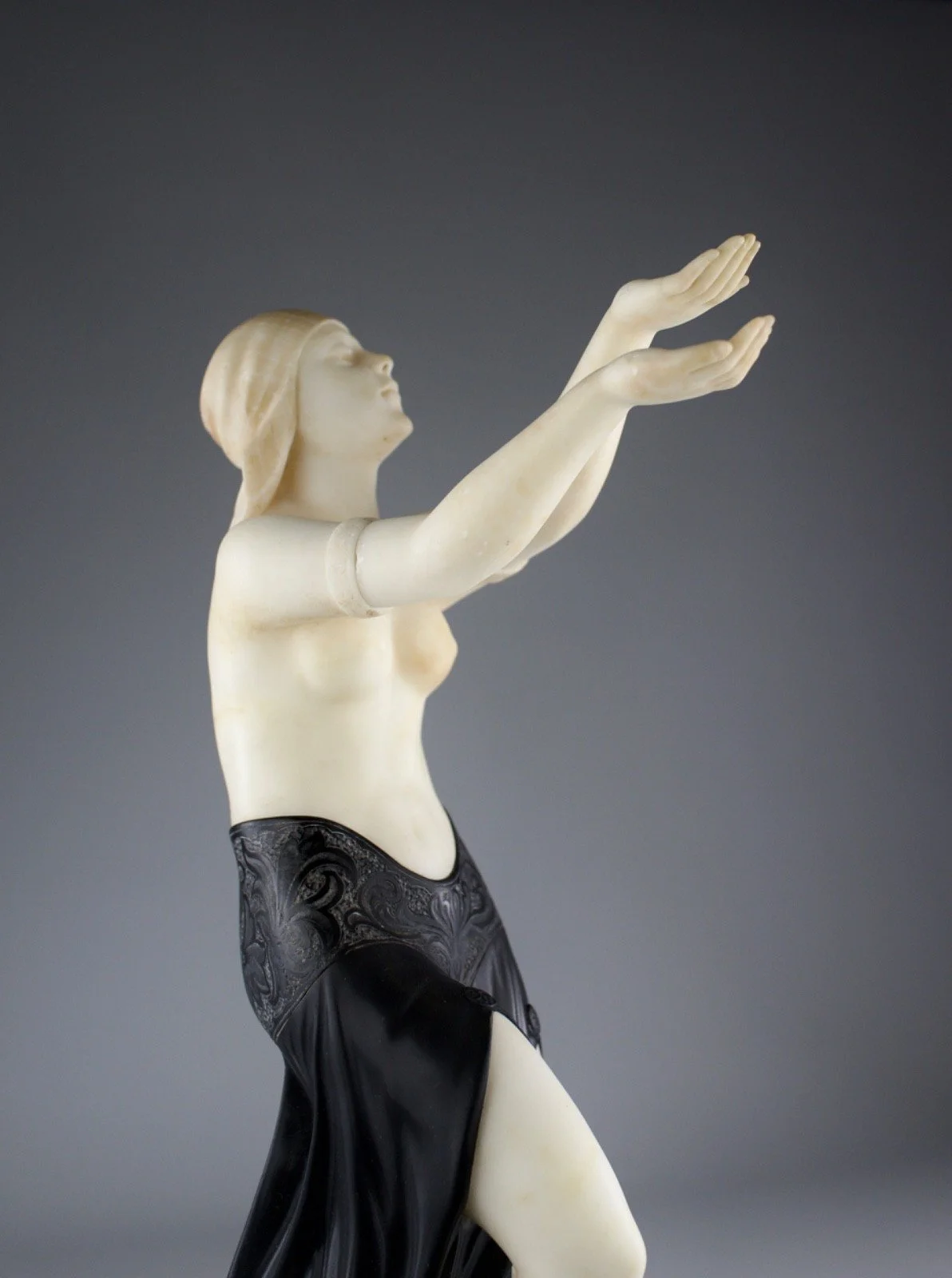 Image 11 of 13
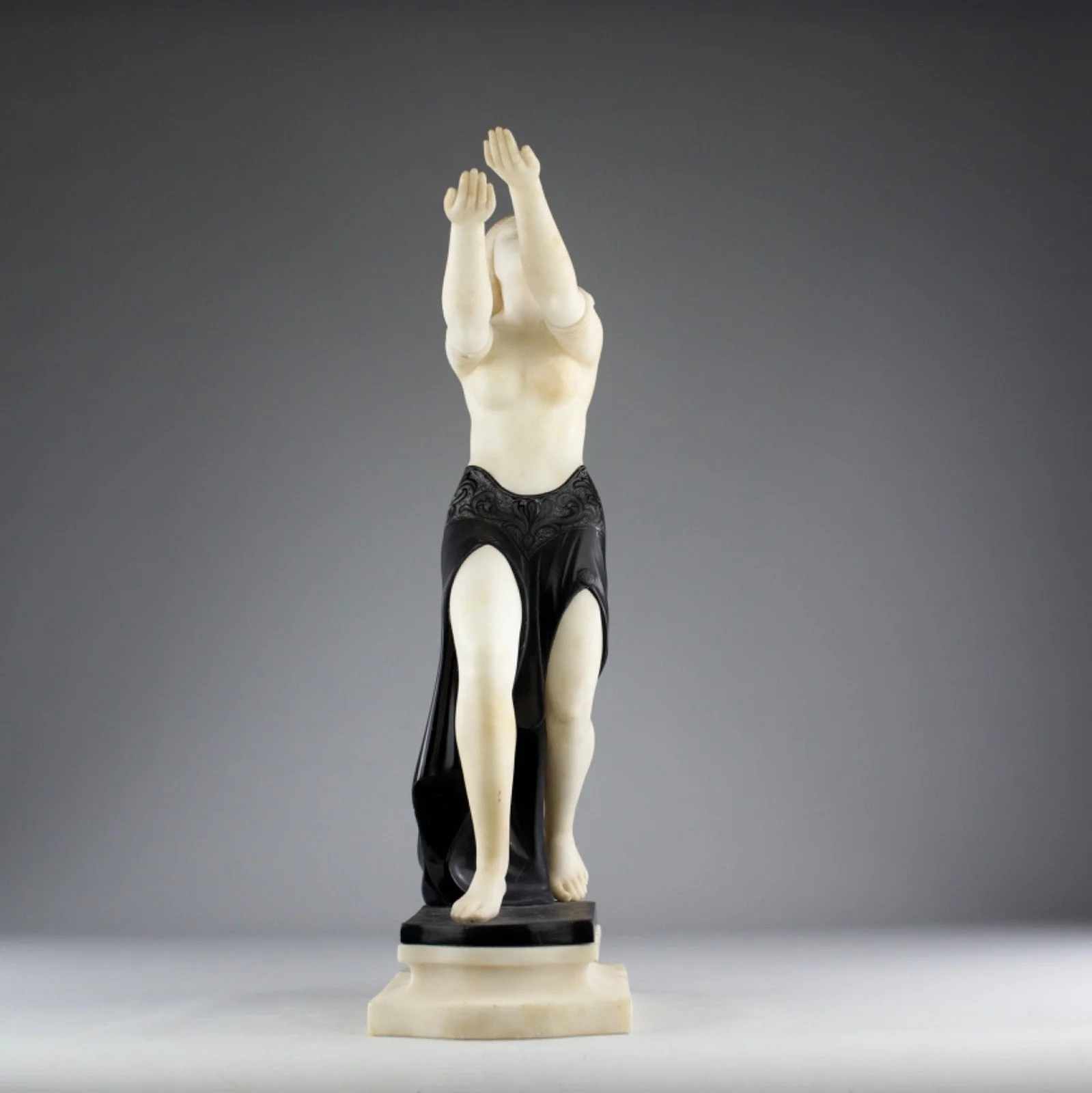 Image 12 of 13
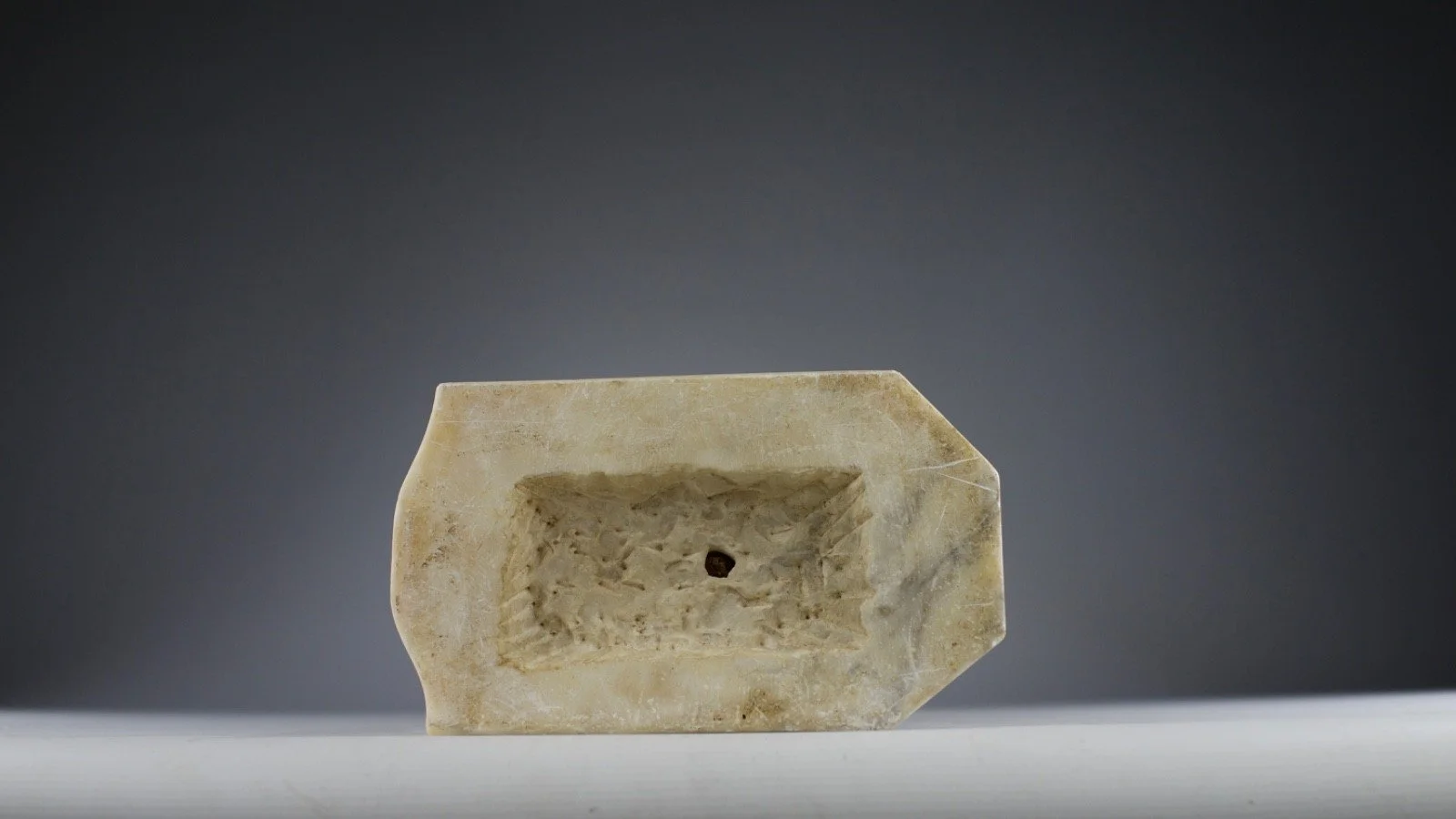 Image 13 of 13