Superb and rare bronze sculpture by Émile Nestor Joseph Carlier (1849-1927) of the Archaic Greek poetess Sappho. This sculpture was smelted by the Albinet & Coulon foundry. It is signed by both the artist and foundry.
In very good condition. Some slight patina use.
Dimensions in cm ( H x L x l ) : 30 x 15 x 14
Secure shipping.
Sappho hailed from Eresos or Mytilene on the island of Lesbos and is probably represented here on one of the island's beaches as can be surmised by the decorative seashells. She was widely regarded as one of the greatest lyric poets and was given names such as the "Tenth Muse" and "The Poetess". Little is known of Sappho's life. She was from a wealthy family from Lesbos, though her parents' names are uncertain. Ancient sources say that she had three brothers; Charaxos, Larichos and Eurygios. Two of them, Charaxos and Larichos, are mentioned in the Brothers Poem discovered in 2014. She was exiled to Sicily around 600 BC, and may have continued to work until around 570 BC. According to legend, she killed herself by leaping from the Leucadian cliffs due to her unrequited love for the ferryman Phaon. Sappho was a prolific poet, probably composing around 10,000 lines. She was best-known in antiquity for her love poetry; other themes in the surviving fragments of her work include family and religion. She probably wrote poetry for both individual and choral performance. Most of her best-known and best-preserved fragments explore personal emotions and were probably composed for solo performance. Her works are known for their clarity of language, vivid images, and immediacy. The context in which she composed her poems has long been the subject of scholarly debate; the most influential suggestions have been that she had some sort of educational or religious role, or wrote for the symposium. Sappho's poetry was well-known and greatly admired through much of antiquity, and she was among the canon of Nine Lyric Poets most highly esteemed by scholars of Hellenistic Alexandria. Sappho's poetry is still considered extraordinary and her works continue to influence other writers. Beyond her poetry, she is well known as a symbol of love and desire between women, with the English words sapphic and lesbian deriving from her name and that of her home island respectively.
This item is a work of art or an antique over 100 years old. Shipping restrictions and import regulations may apply depending on your country. Please contact us before placing your order so we can confirm carrier eligibility, customs requirements and any documentation needed for import.
Offered by RDS Gallery, Paris. Worldwide shipping with specialist packaging.
Superb and rare bronze sculpture by Émile Nestor Joseph Carlier (1849-1927) of the Archaic Greek poetess Sappho. This sculpture was smelted by the Albinet & Coulon foundry. It is signed by both the artist and foundry.
In very good condition. Some slight patina use.
Dimensions in cm ( H x L x l ) : 30 x 15 x 14
Secure shipping.
Sappho hailed from Eresos or Mytilene on the island of Lesbos and is probably represented here on one of the island's beaches as can be surmised by the decorative seashells. She was widely regarded as one of the greatest lyric poets and was given names such as the "Tenth Muse" and "The Poetess". Little is known of Sappho's life. She was from a wealthy family from Lesbos, though her parents' names are uncertain. Ancient sources say that she had three brothers; Charaxos, Larichos and Eurygios. Two of them, Charaxos and Larichos, are mentioned in the Brothers Poem discovered in 2014. She was exiled to Sicily around 600 BC, and may have continued to work until around 570 BC. According to legend, she killed herself by leaping from the Leucadian cliffs due to her unrequited love for the ferryman Phaon. Sappho was a prolific poet, probably composing around 10,000 lines. She was best-known in antiquity for her love poetry; other themes in the surviving fragments of her work include family and religion. She probably wrote poetry for both individual and choral performance. Most of her best-known and best-preserved fragments explore personal emotions and were probably composed for solo performance. Her works are known for their clarity of language, vivid images, and immediacy. The context in which she composed her poems has long been the subject of scholarly debate; the most influential suggestions have been that she had some sort of educational or religious role, or wrote for the symposium. Sappho's poetry was well-known and greatly admired through much of antiquity, and she was among the canon of Nine Lyric Poets most highly esteemed by scholars of Hellenistic Alexandria. Sappho's poetry is still considered extraordinary and her works continue to influence other writers. Beyond her poetry, she is well known as a symbol of love and desire between women, with the English words sapphic and lesbian deriving from her name and that of her home island respectively.
This item is a work of art or an antique over 100 years old. Shipping restrictions and import regulations may apply depending on your country. Please contact us before placing your order so we can confirm carrier eligibility, customs requirements and any documentation needed for import.
Offered by RDS Gallery, Paris. Worldwide shipping with specialist packaging.
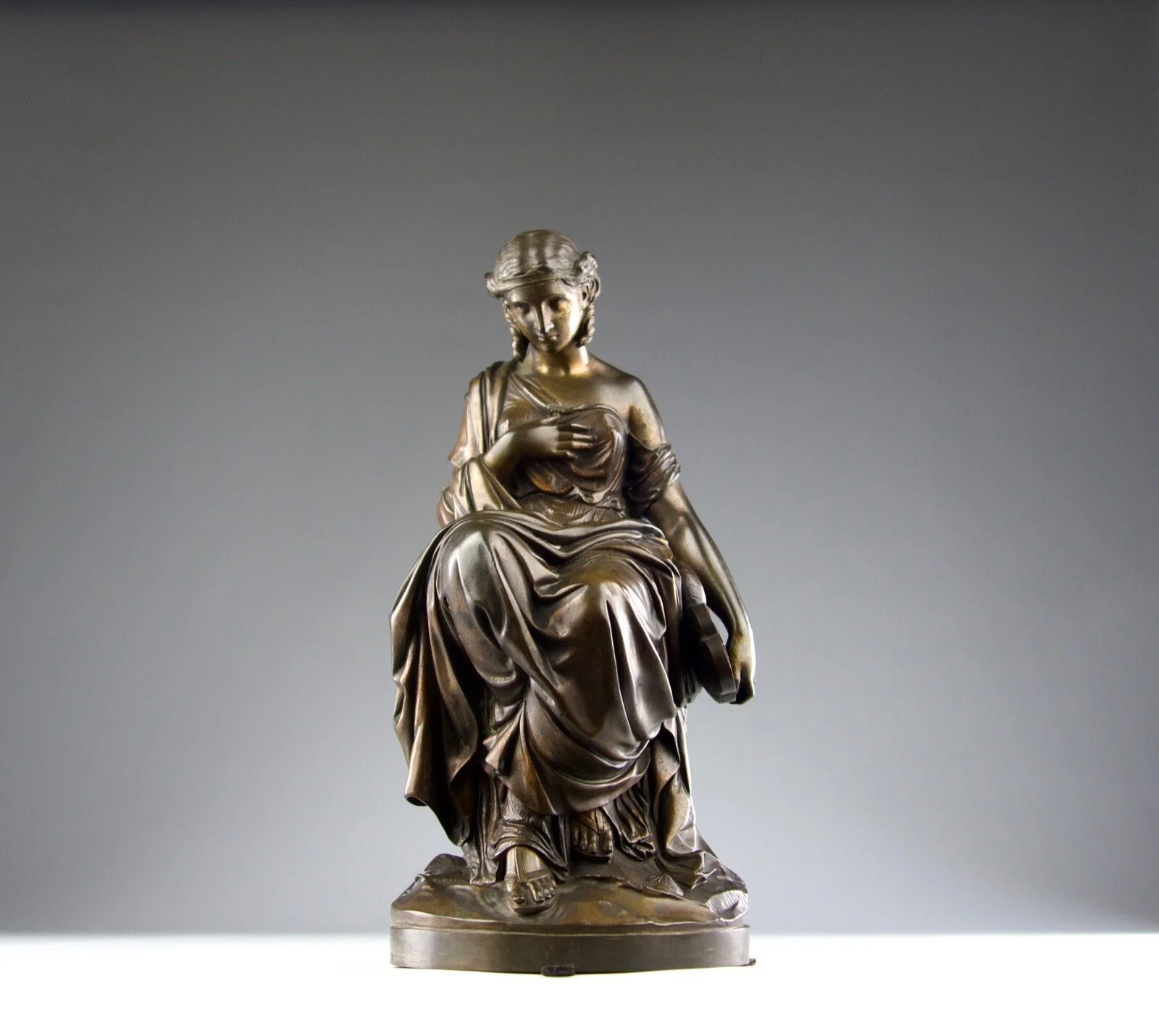 Image 1 of 9
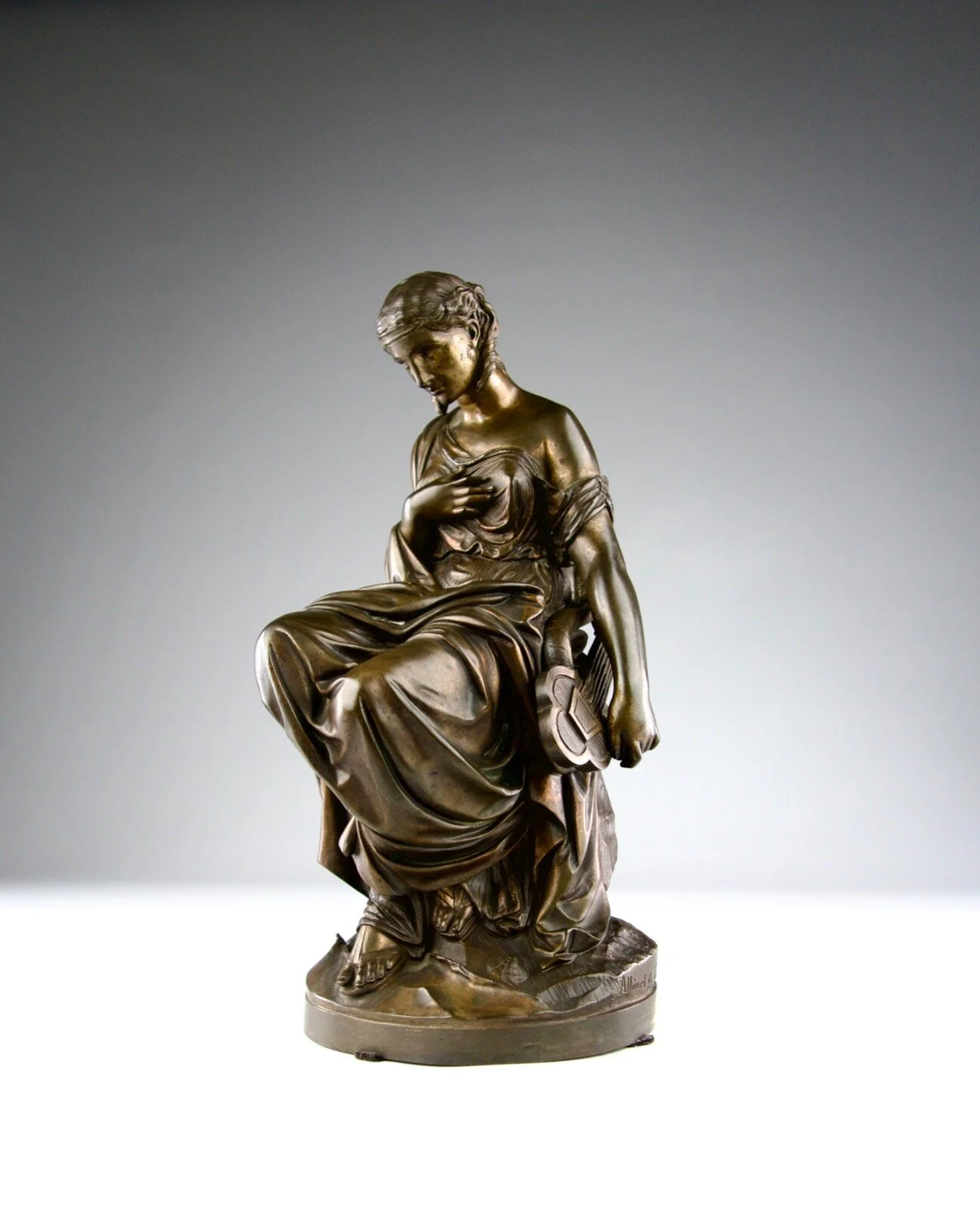 Image 2 of 9
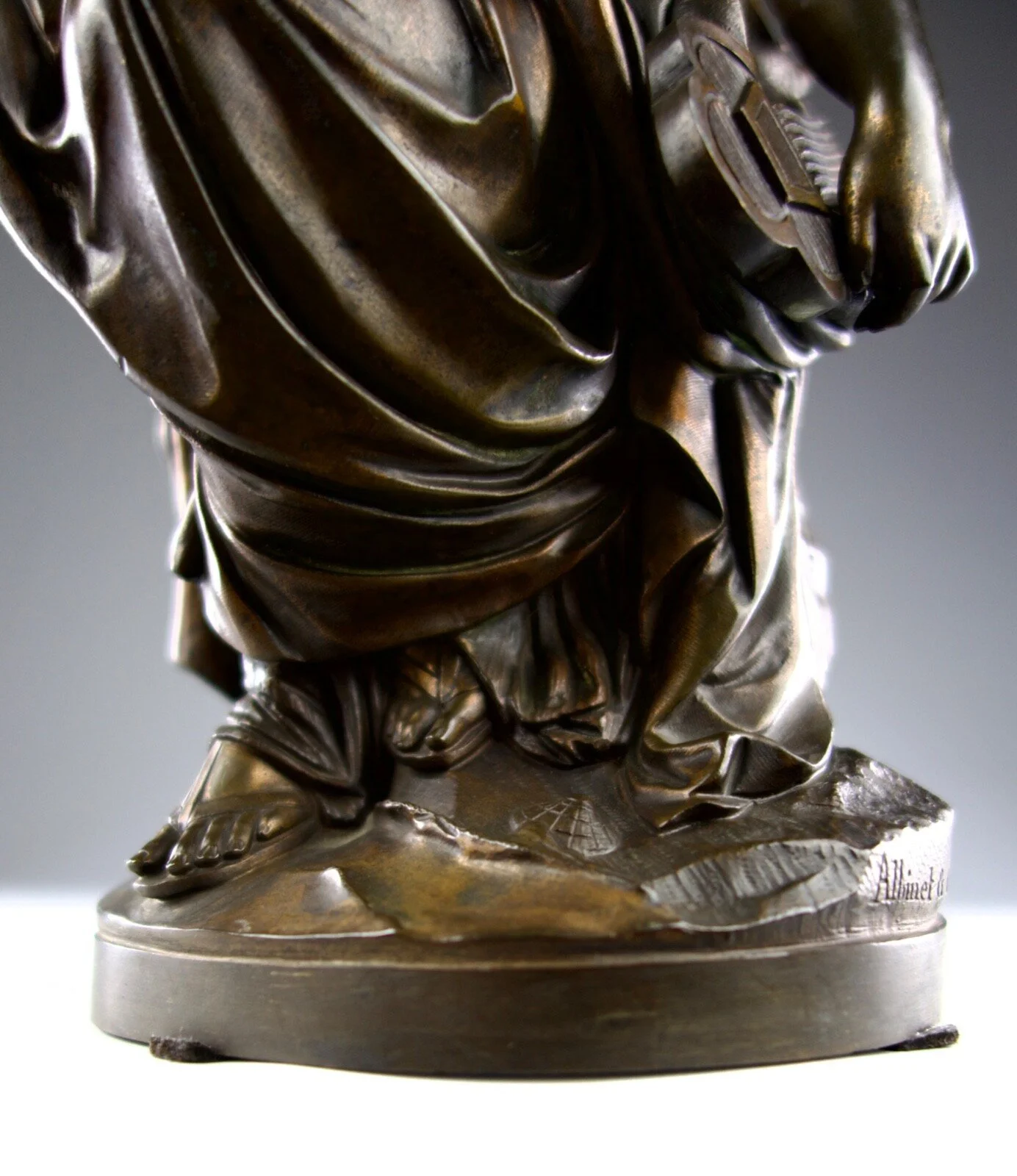 Image 3 of 9
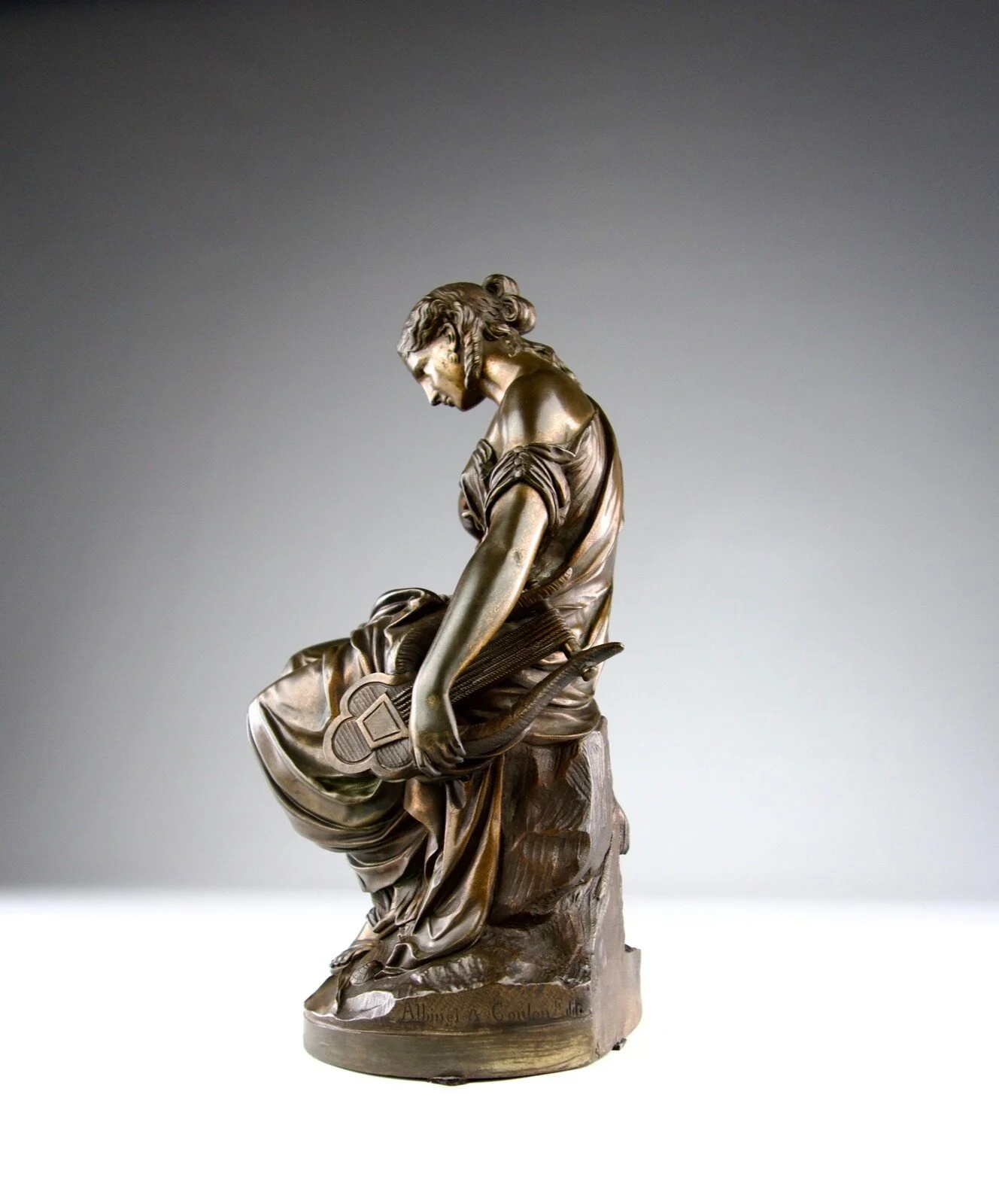 Image 4 of 9
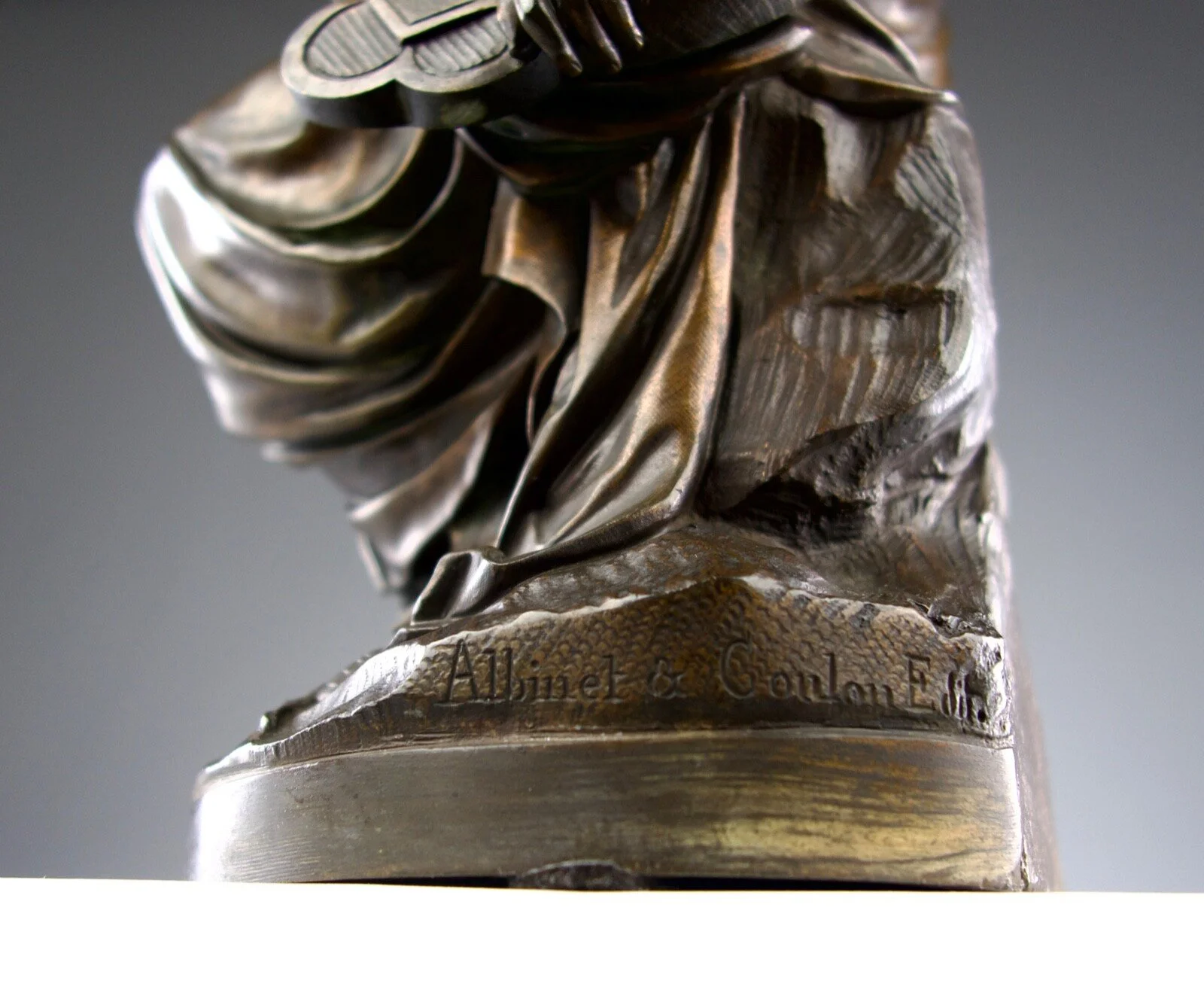 Image 5 of 9
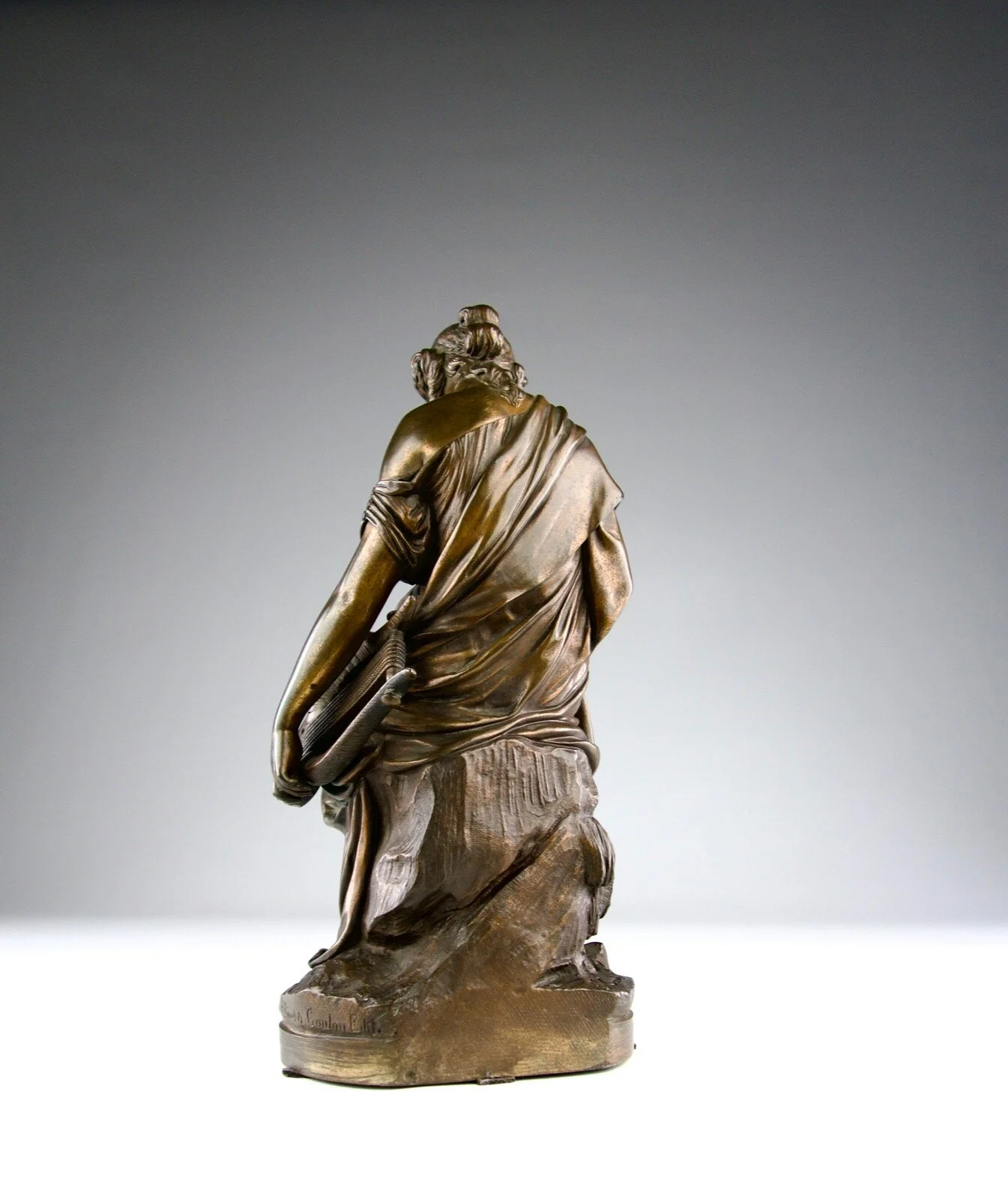 Image 6 of 9
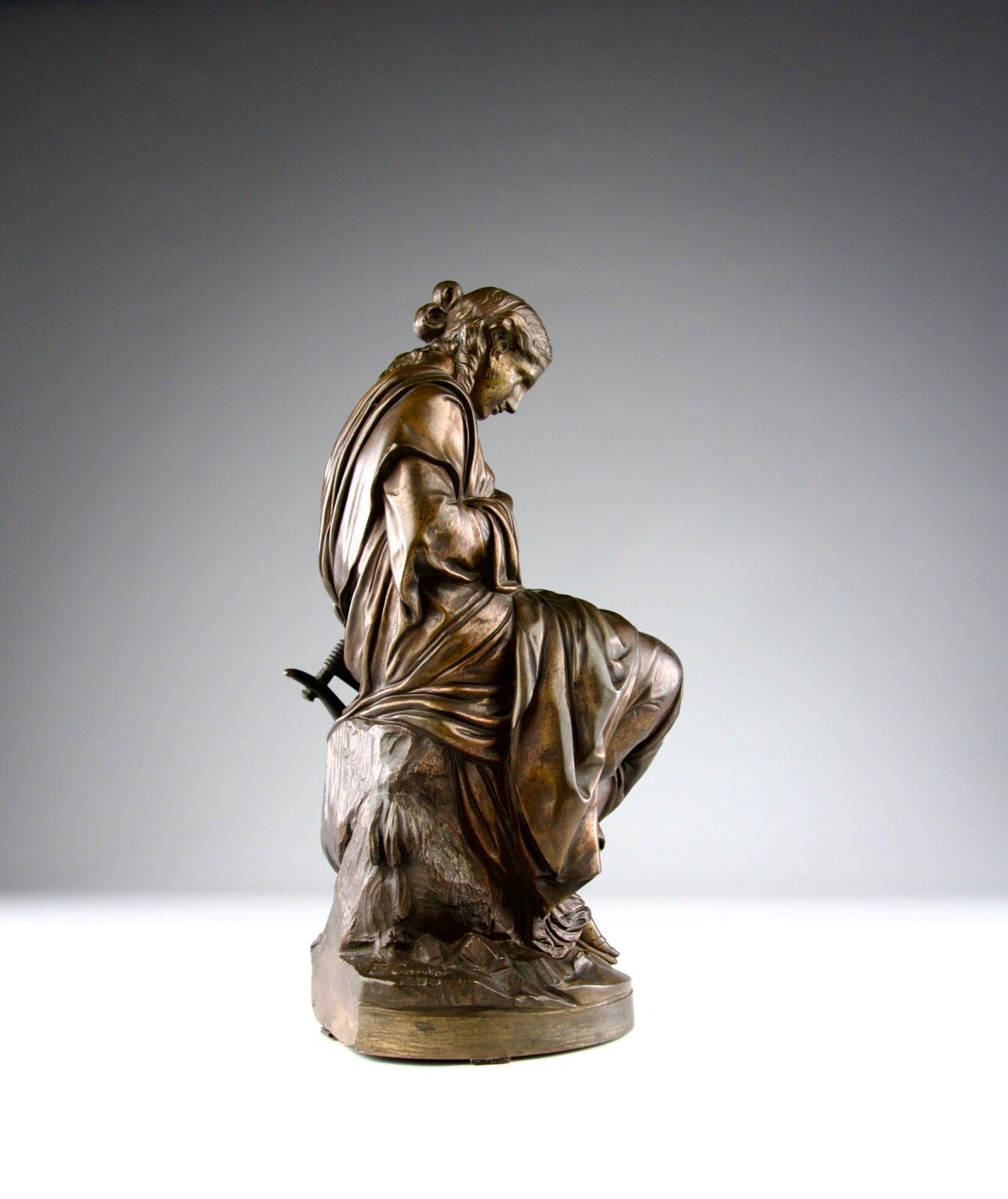 Image 7 of 9
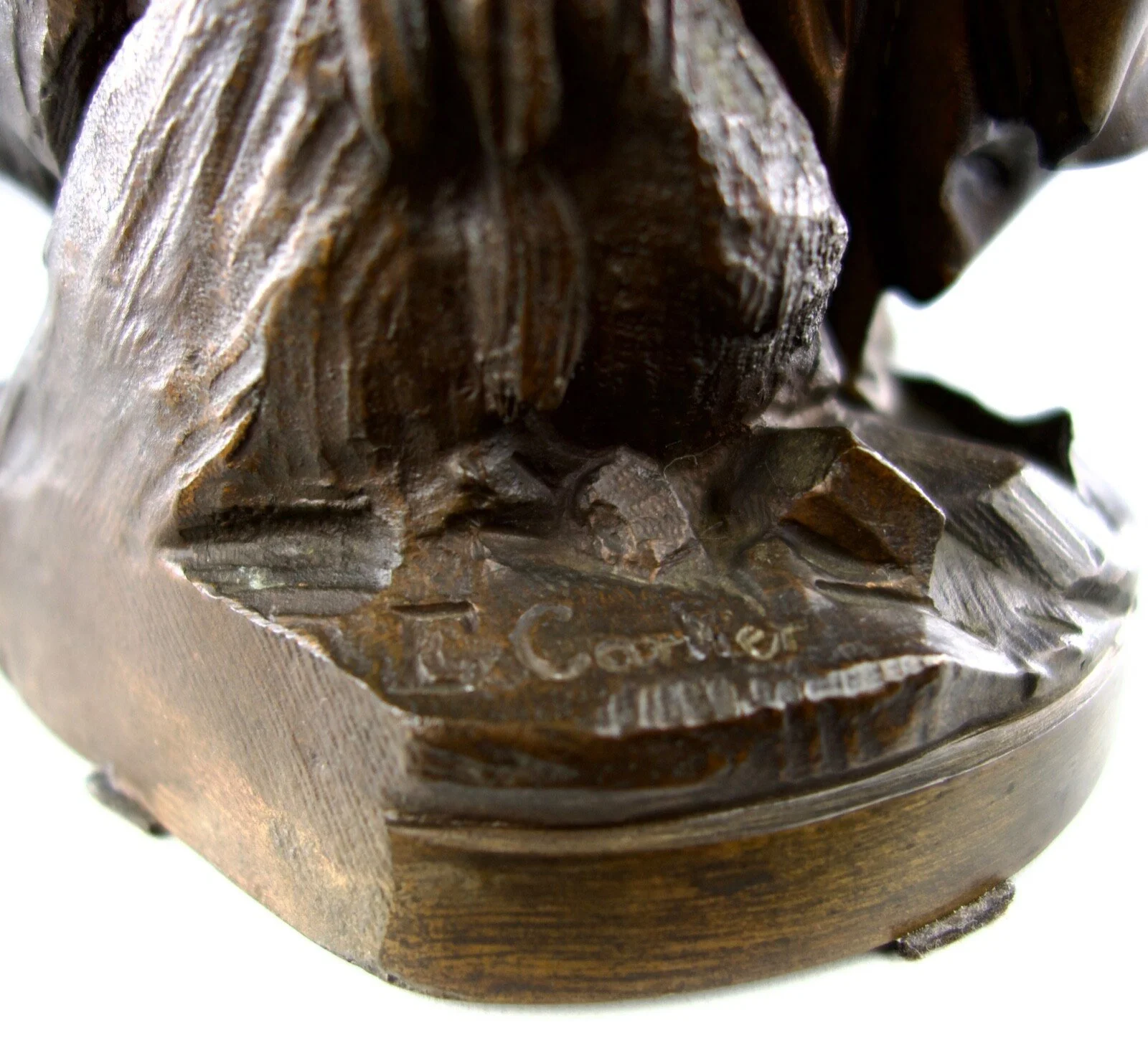 Image 8 of 9
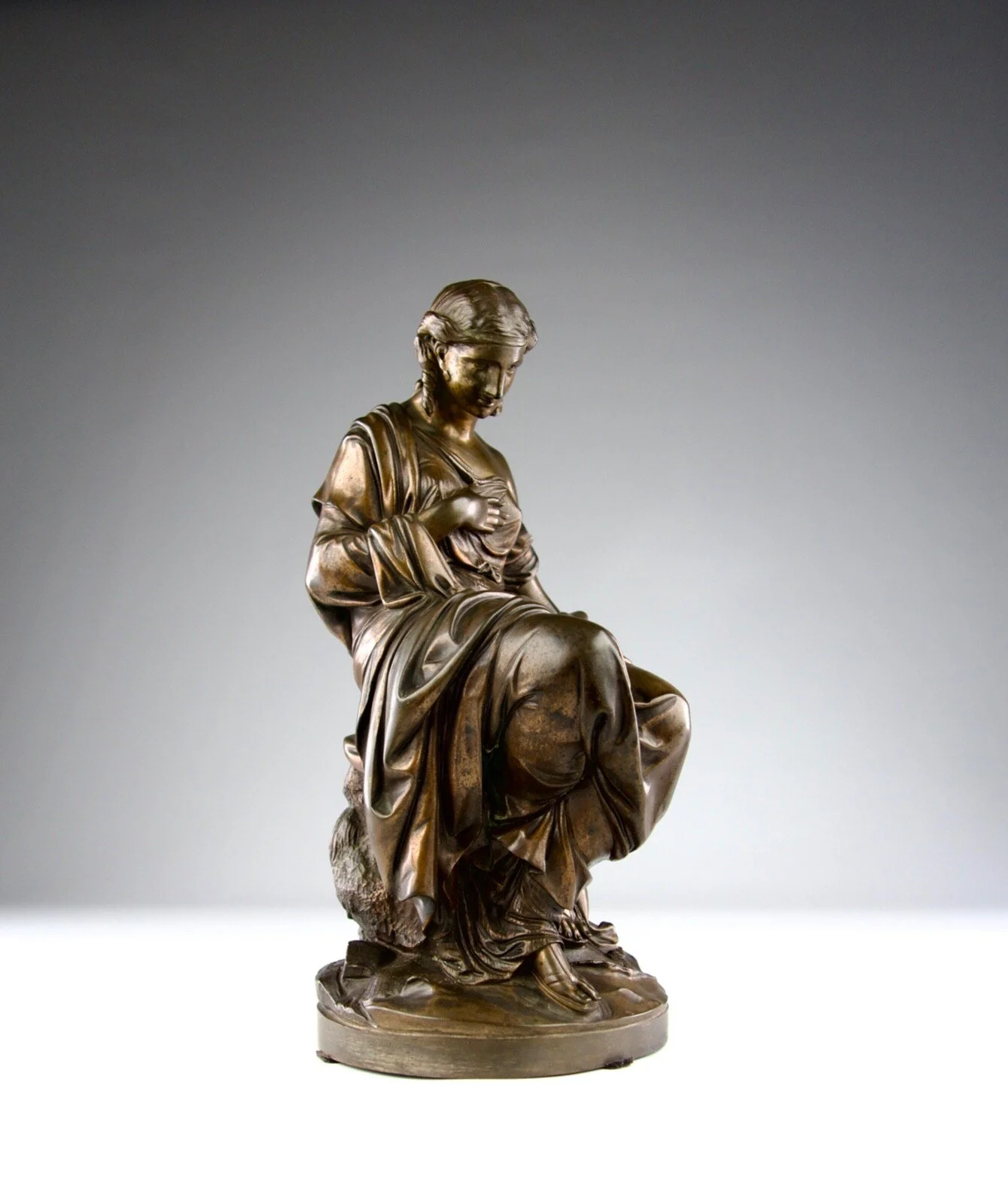 Image 9 of 9