Beautiful "Panther of India" sculpture by Antoine Louis Barye mounted atop a green and white veined marble inkwell, Ferdinand Barbedienne edition, France circa 1900. Signed by the artist and foundry.
The plaque on the inkwell reads that this piece was a gift from the wounded of the First World War to Doctor Ch. Vallée.
In very good condition. Slight patina and signs of use.
Dimensions in cm ( H x L x l ) :
- Inkwell : 16 x 39.2 x 17
- Panther : 9.3 x 20 x 6
The Ferdinand Barbedienne Foundry holds a significant place in the annals of art history, renowned for its mastery of bronze casting and its collaborations with some of the most celebrated artists of the 19th century. Founded in 1838 by Ferdinand Barbedienne in Paris, France, the foundry quickly rose to prominence as a leading producer of bronze sculptures and decorative arts.
Barbedienne's vision was to merge artistic excellence with industrial innovation, and he achieved this by employing skilled craftsmen and embracing the latest advancements in bronze casting technology. The foundry became known for its exceptional quality and attention to detail, attracting the attention of prominent artists and sculptors of the time.
One of the key factors contributing to the success of the Barbedienne Foundry was its ability to faithfully reproduce sculptures in bronze through the process of lost-wax casting. This technique allowed for the precise replication of intricate details and textures, resulting in bronze sculptures that rivaled the original works in beauty and craftsmanship.
Throughout its history, the Barbedienne Foundry collaborated with renowned artists such as Auguste Rodin, Antoine-Louis Barye, and Jean-Baptiste Carpeaux, among others. These partnerships produced some of the most iconic bronze sculptures of the 19th century, including Rodin's "The Thinker" and Barye's "Lion and Serpent."
In addition to bronze sculptures, the foundry also produced a wide range of decorative arts, including furniture, clocks, and candelabras, all crafted with the same level of precision and artistry that defined Barbedienne's legacy.
The Ferdinand Barbedienne Foundry continued to thrive well into the late 19th century, earning numerous awards and accolades for its contributions to the world of art and craftsmanship. Though the foundry ceased operations in the early 20th century, its legacy lives on through the enduring beauty of the bronze sculptures and decorative arts it produced, which are prized by collectors and enthusiasts around the globe.
Offered by RDS Gallery, Paris. Worldwide shipping with specialist packaging.
Beautiful "Panther of India" sculpture by Antoine Louis Barye mounted atop a green and white veined marble inkwell, Ferdinand Barbedienne edition, France circa 1900. Signed by the artist and foundry.
The plaque on the inkwell reads that this piece was a gift from the wounded of the First World War to Doctor Ch. Vallée.
In very good condition. Slight patina and signs of use.
Dimensions in cm ( H x L x l ) :
- Inkwell : 16 x 39.2 x 17
- Panther : 9.3 x 20 x 6
The Ferdinand Barbedienne Foundry holds a significant place in the annals of art history, renowned for its mastery of bronze casting and its collaborations with some of the most celebrated artists of the 19th century. Founded in 1838 by Ferdinand Barbedienne in Paris, France, the foundry quickly rose to prominence as a leading producer of bronze sculptures and decorative arts.
Barbedienne's vision was to merge artistic excellence with industrial innovation, and he achieved this by employing skilled craftsmen and embracing the latest advancements in bronze casting technology. The foundry became known for its exceptional quality and attention to detail, attracting the attention of prominent artists and sculptors of the time.
One of the key factors contributing to the success of the Barbedienne Foundry was its ability to faithfully reproduce sculptures in bronze through the process of lost-wax casting. This technique allowed for the precise replication of intricate details and textures, resulting in bronze sculptures that rivaled the original works in beauty and craftsmanship.
Throughout its history, the Barbedienne Foundry collaborated with renowned artists such as Auguste Rodin, Antoine-Louis Barye, and Jean-Baptiste Carpeaux, among others. These partnerships produced some of the most iconic bronze sculptures of the 19th century, including Rodin's "The Thinker" and Barye's "Lion and Serpent."
In addition to bronze sculptures, the foundry also produced a wide range of decorative arts, including furniture, clocks, and candelabras, all crafted with the same level of precision and artistry that defined Barbedienne's legacy.
The Ferdinand Barbedienne Foundry continued to thrive well into the late 19th century, earning numerous awards and accolades for its contributions to the world of art and craftsmanship. Though the foundry ceased operations in the early 20th century, its legacy lives on through the enduring beauty of the bronze sculptures and decorative arts it produced, which are prized by collectors and enthusiasts around the globe.
Offered by RDS Gallery, Paris. Worldwide shipping with specialist packaging.
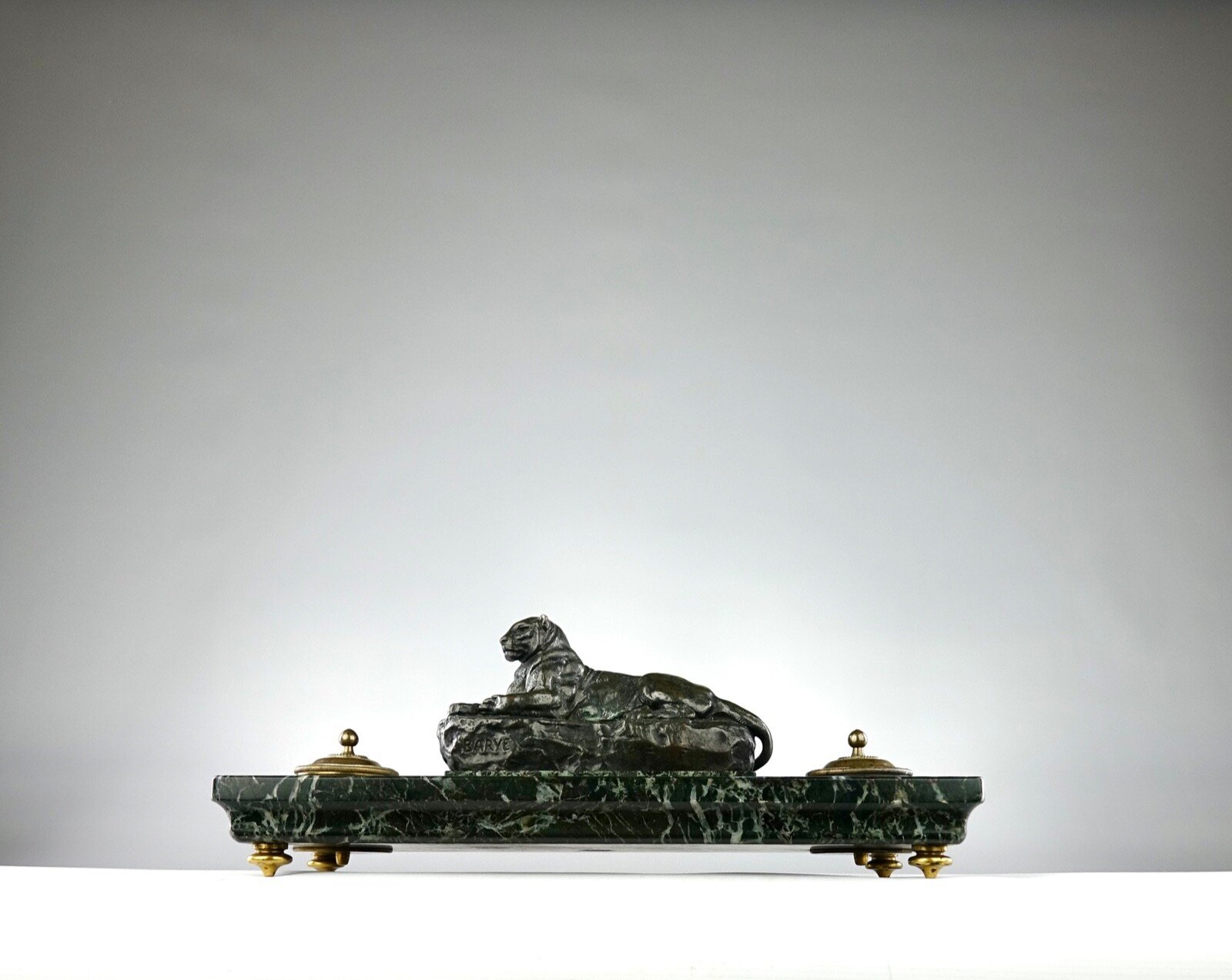 Image 1 of 19
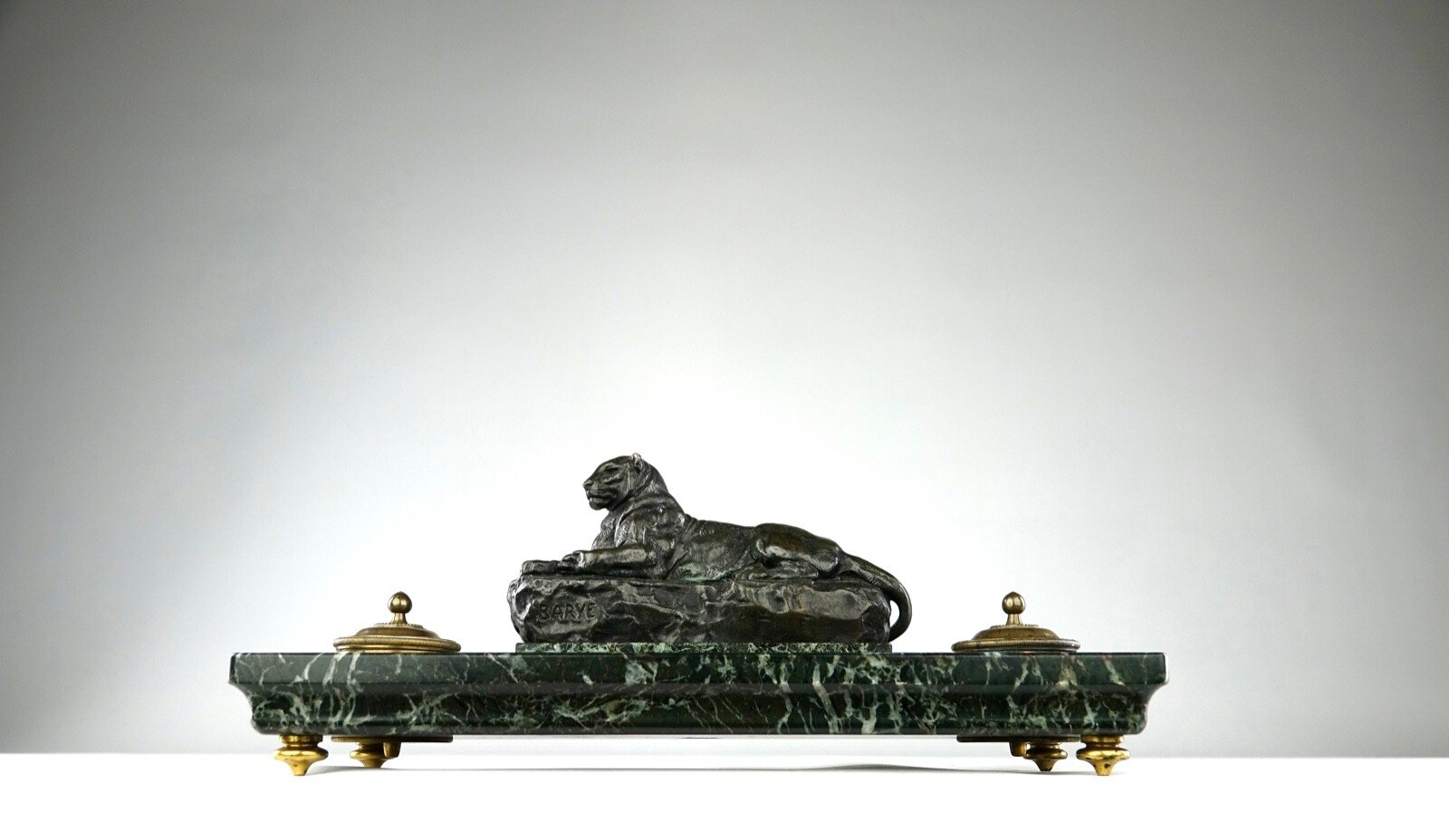 Image 2 of 19
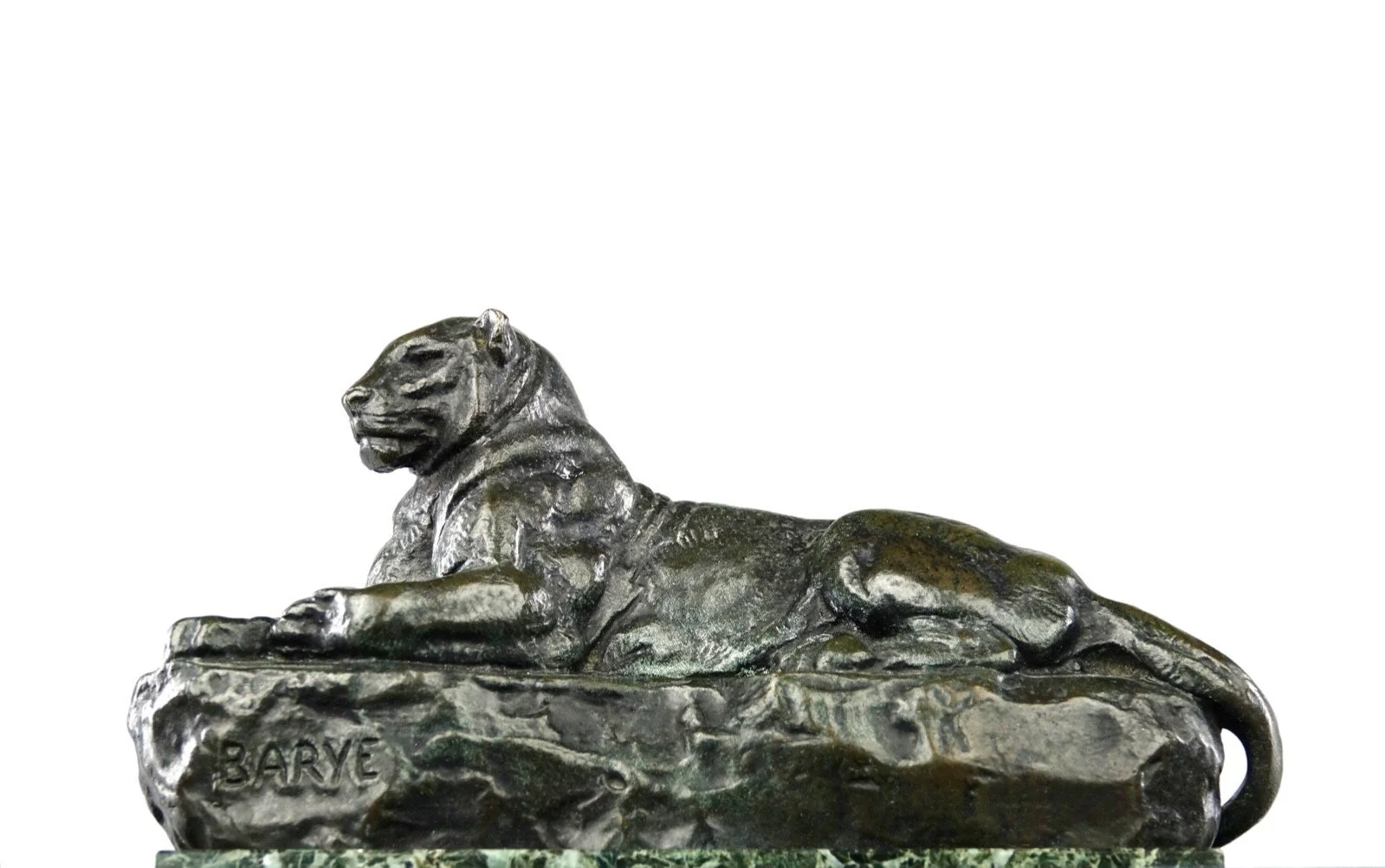 Image 3 of 19
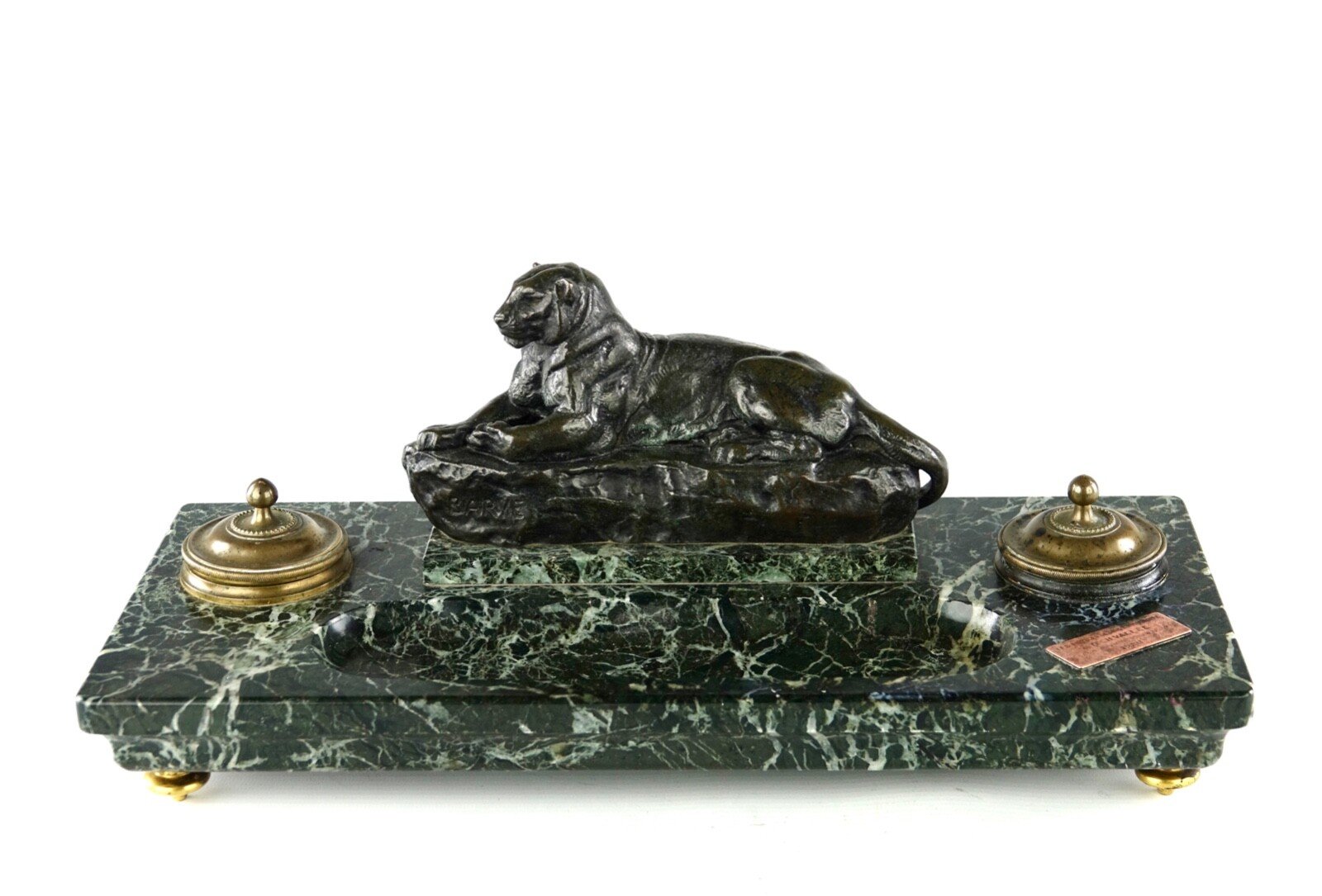 Image 4 of 19
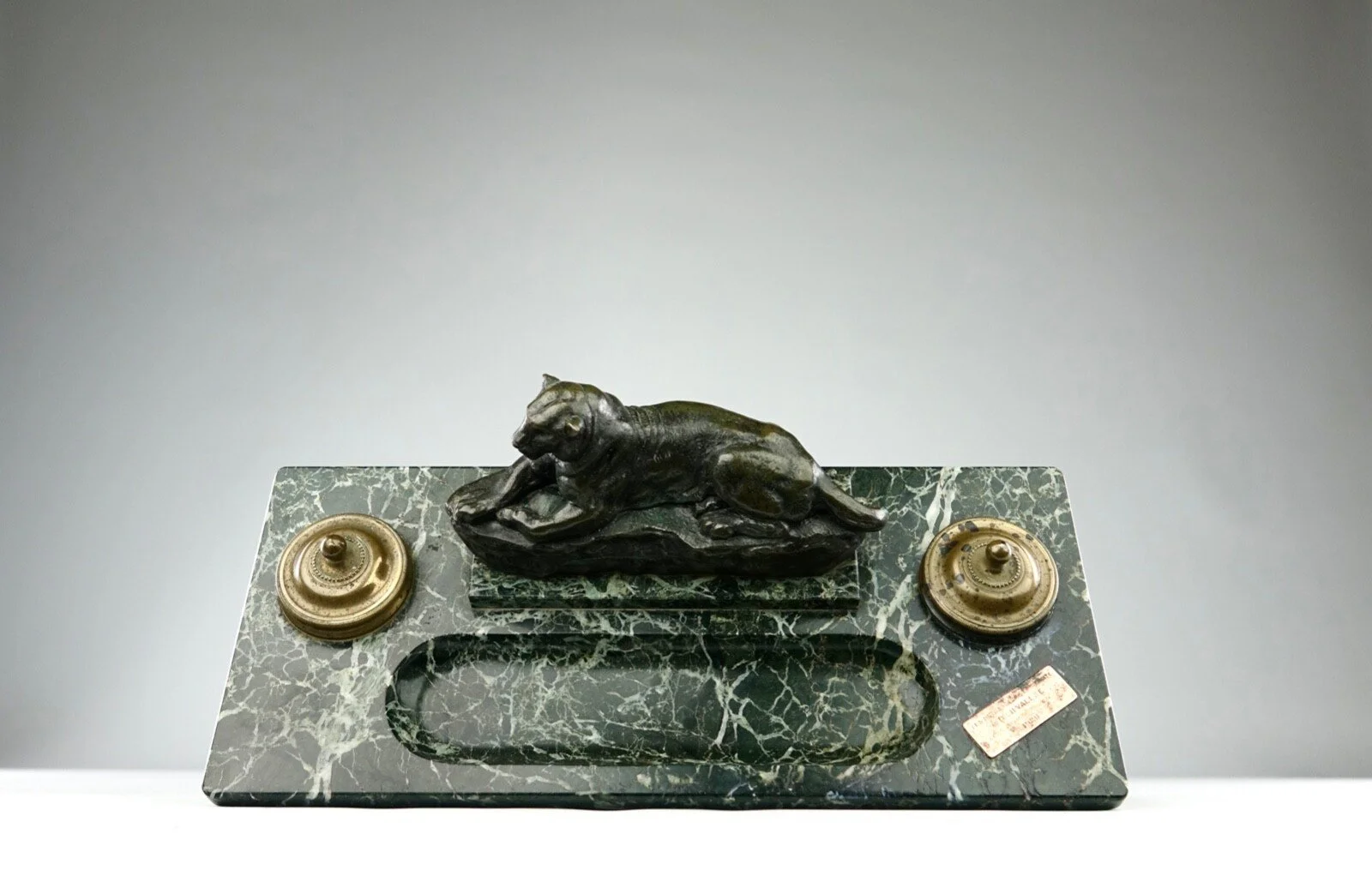 Image 5 of 19
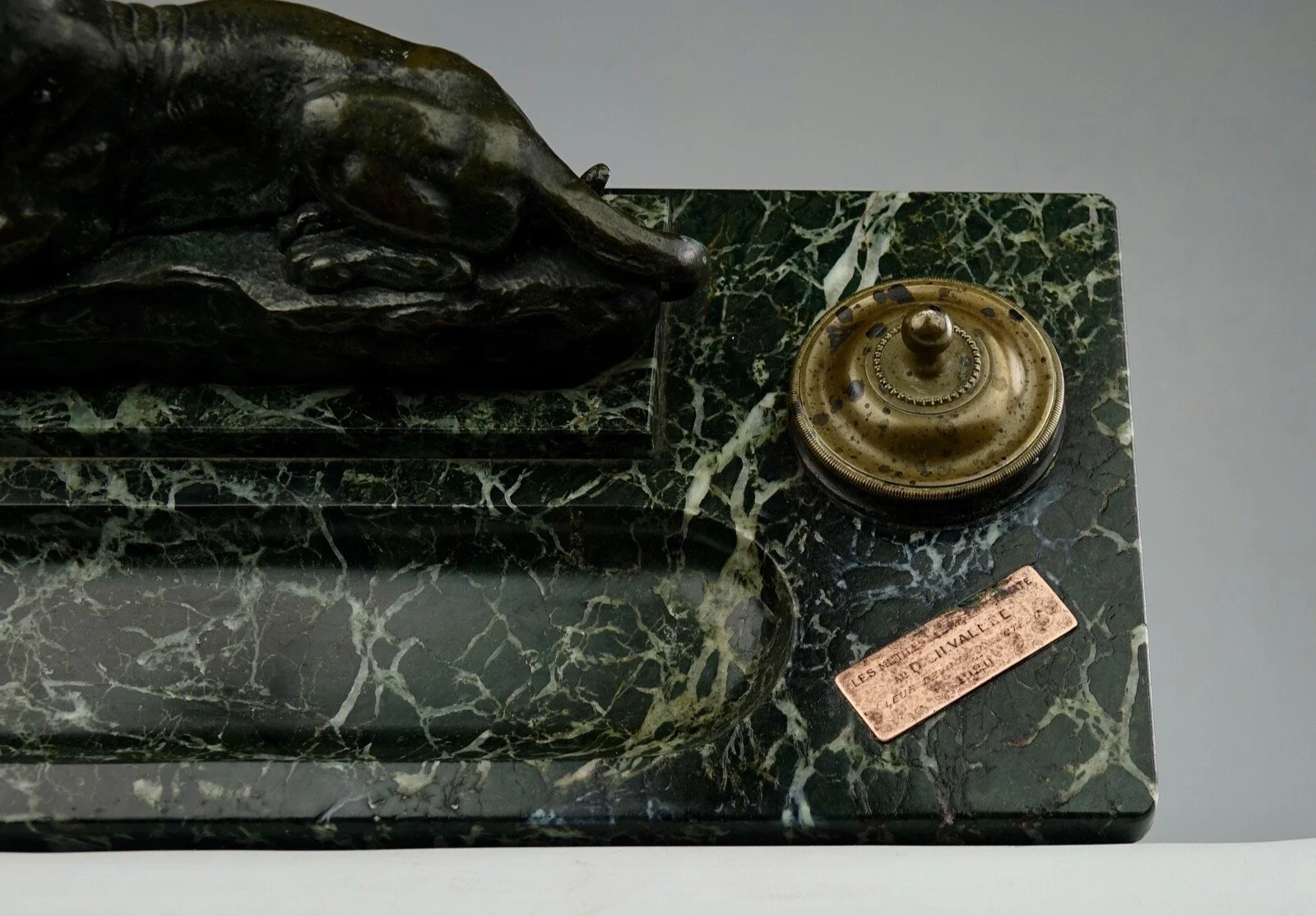 Image 6 of 19
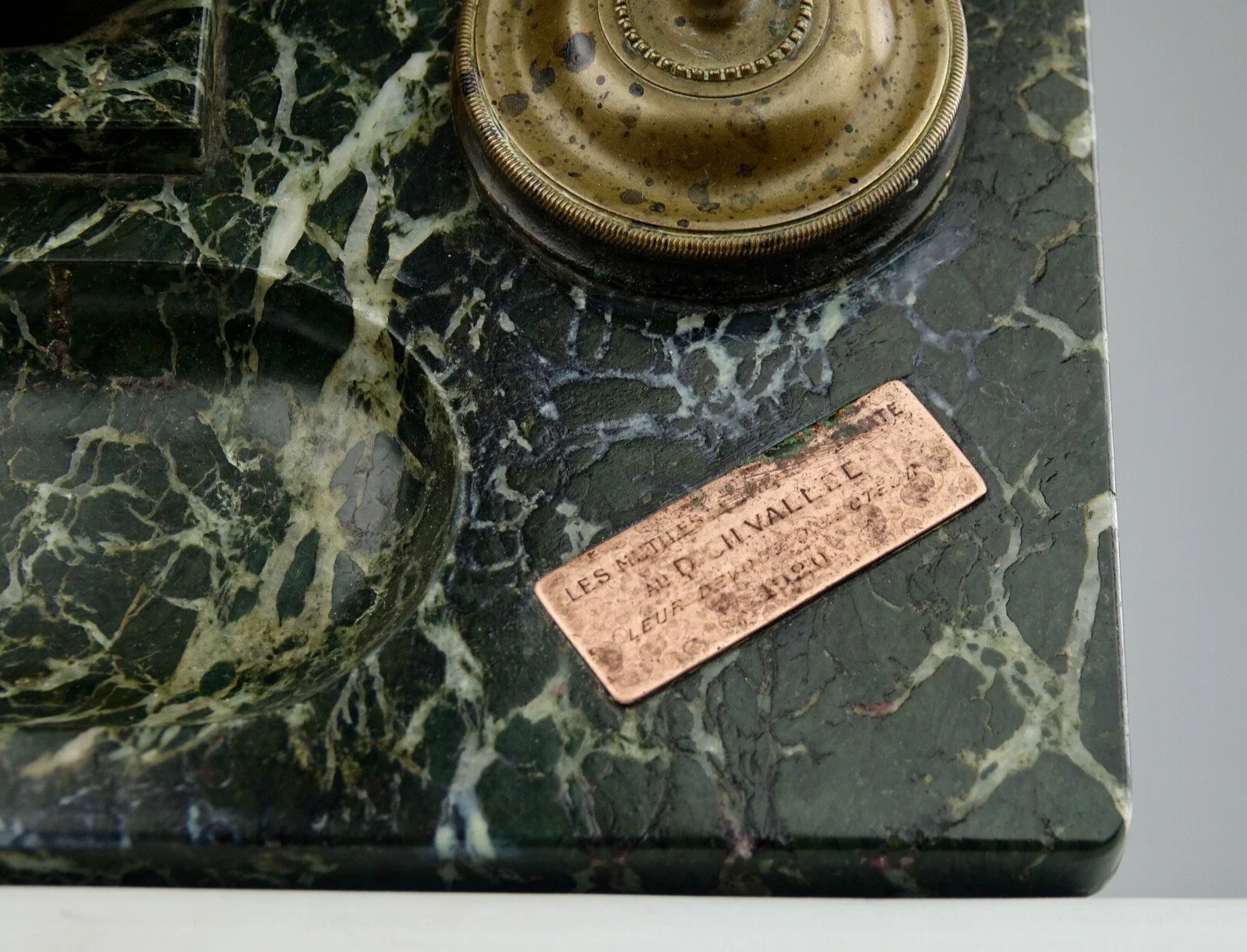 Image 7 of 19
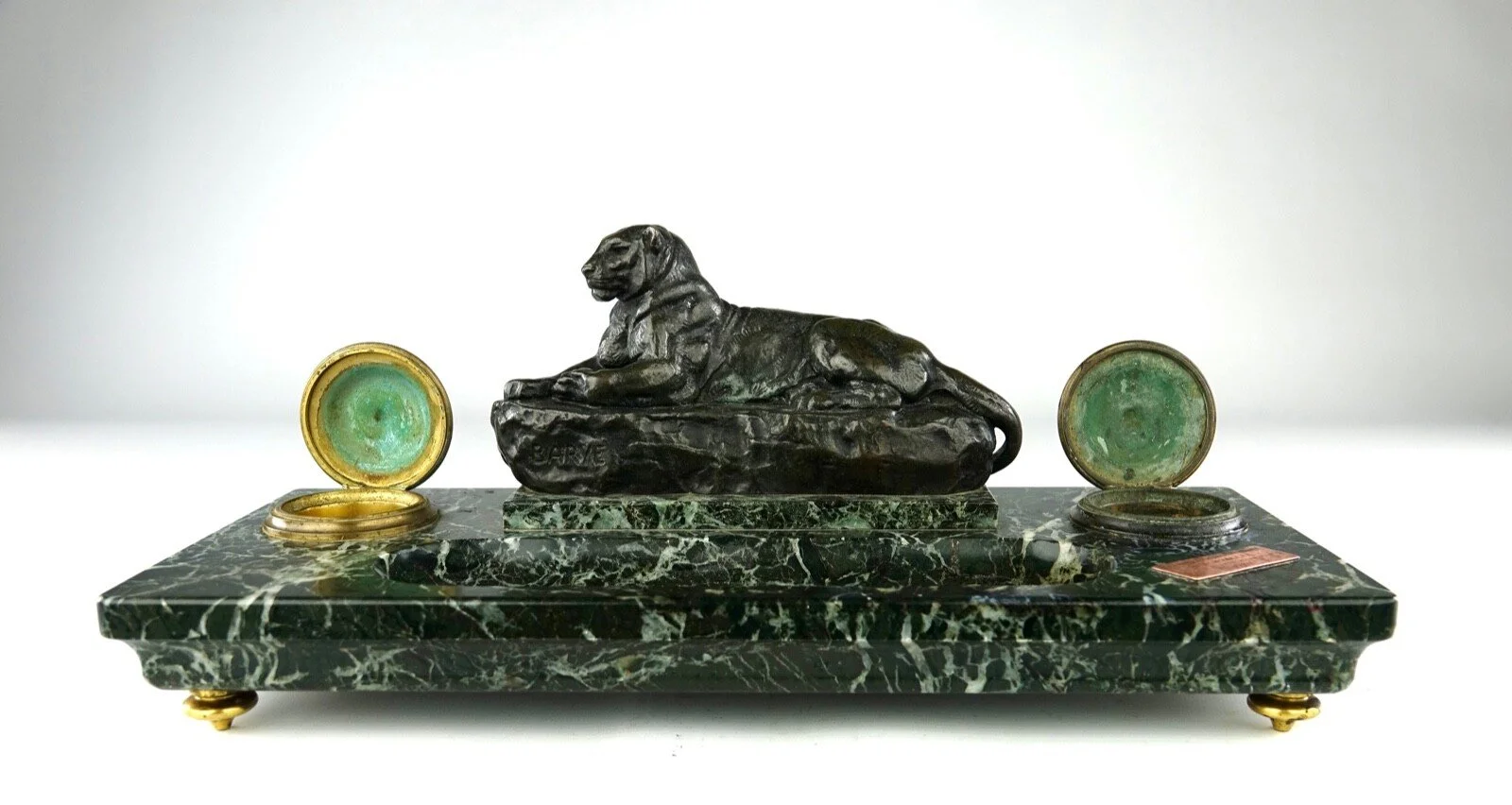 Image 8 of 19
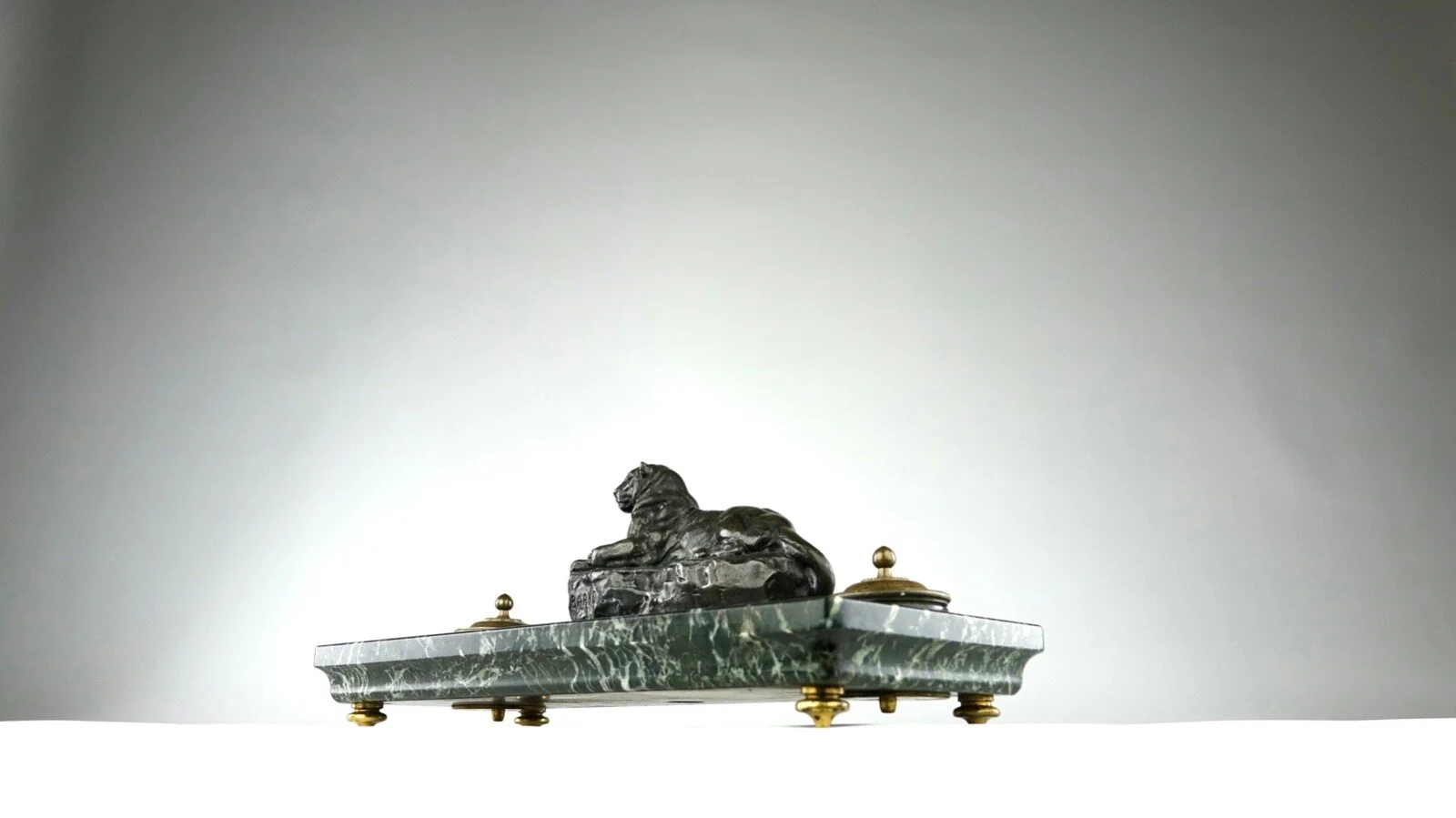 Image 9 of 19
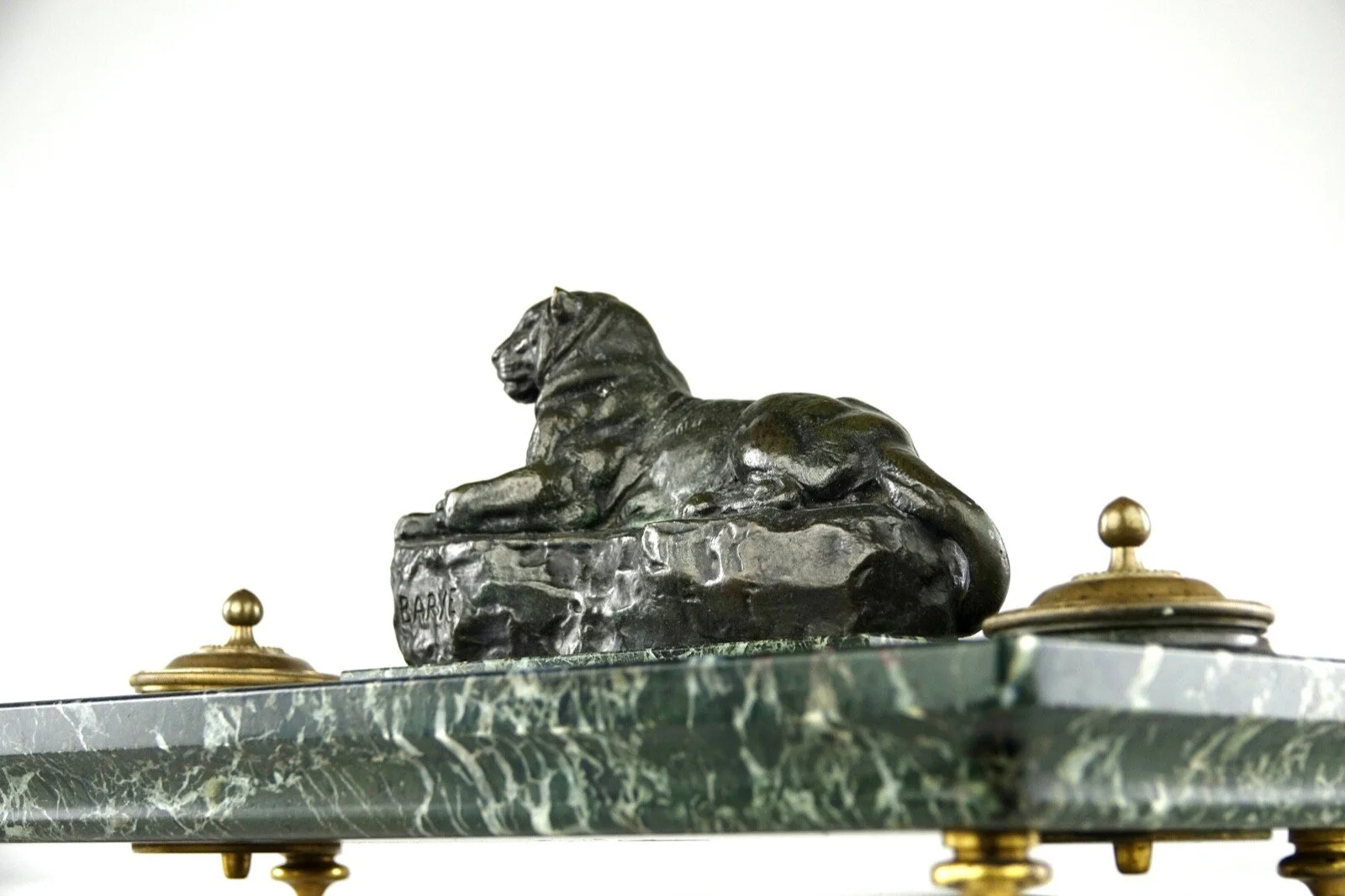 Image 10 of 19
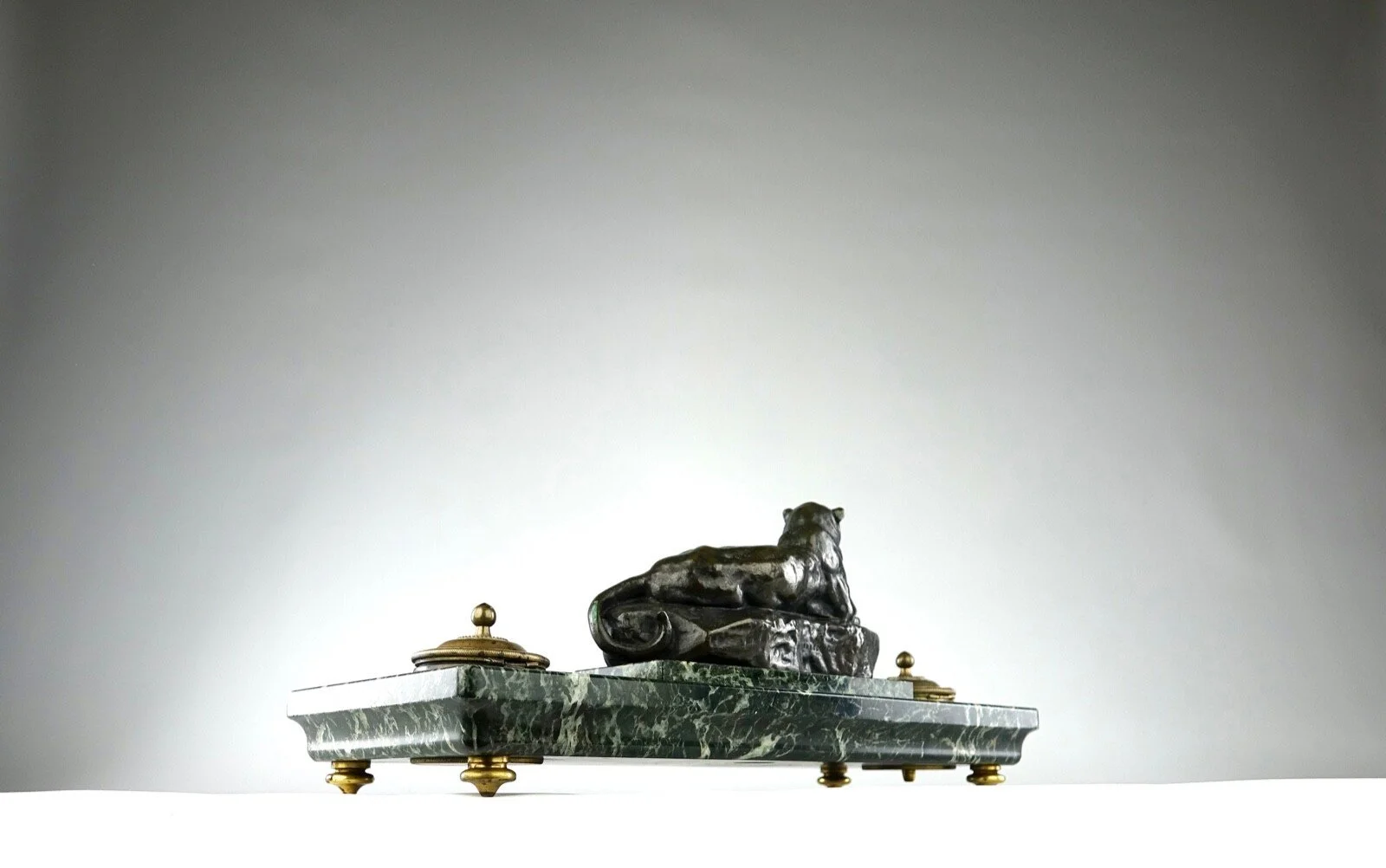 Image 11 of 19
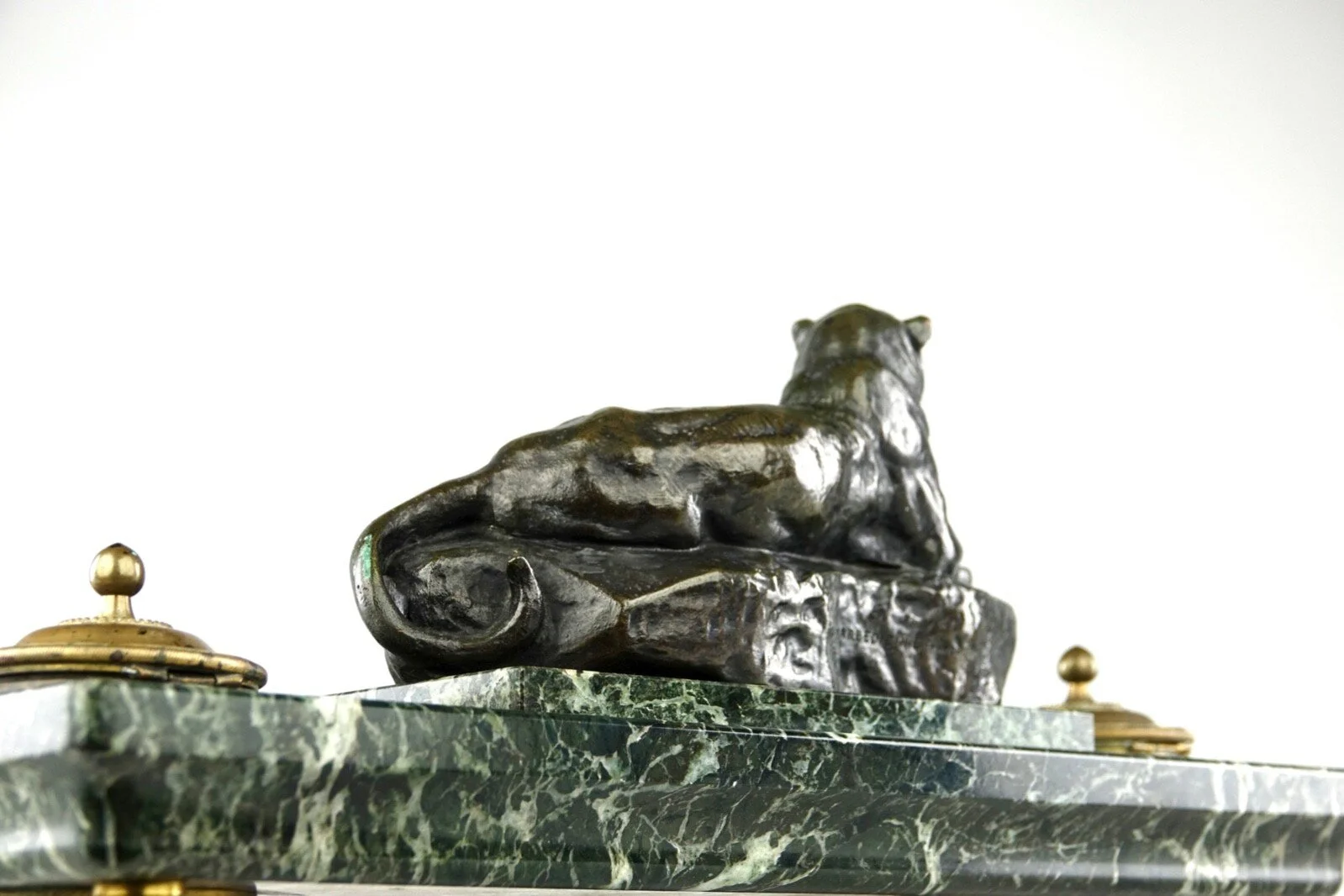 Image 12 of 19
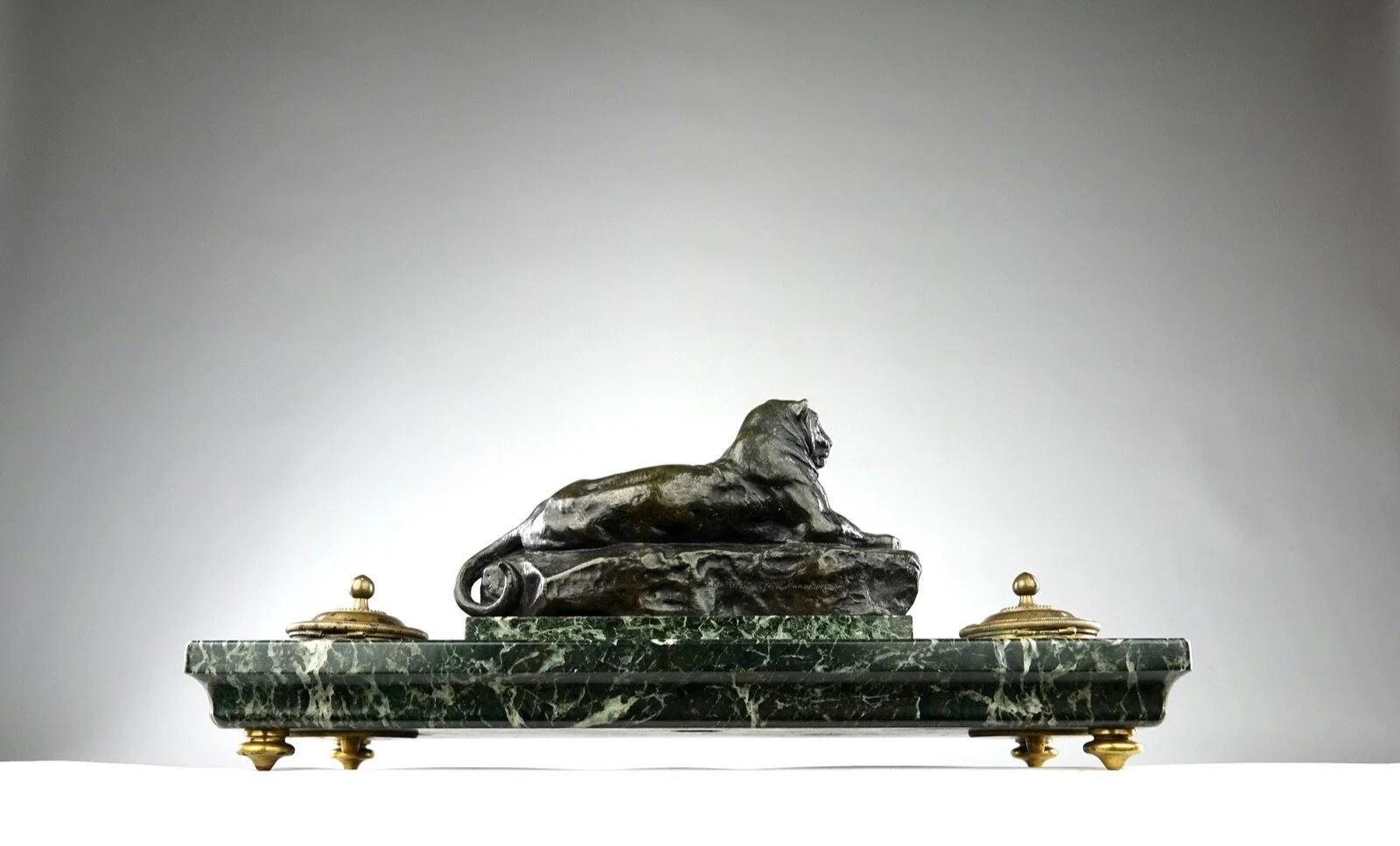 Image 13 of 19
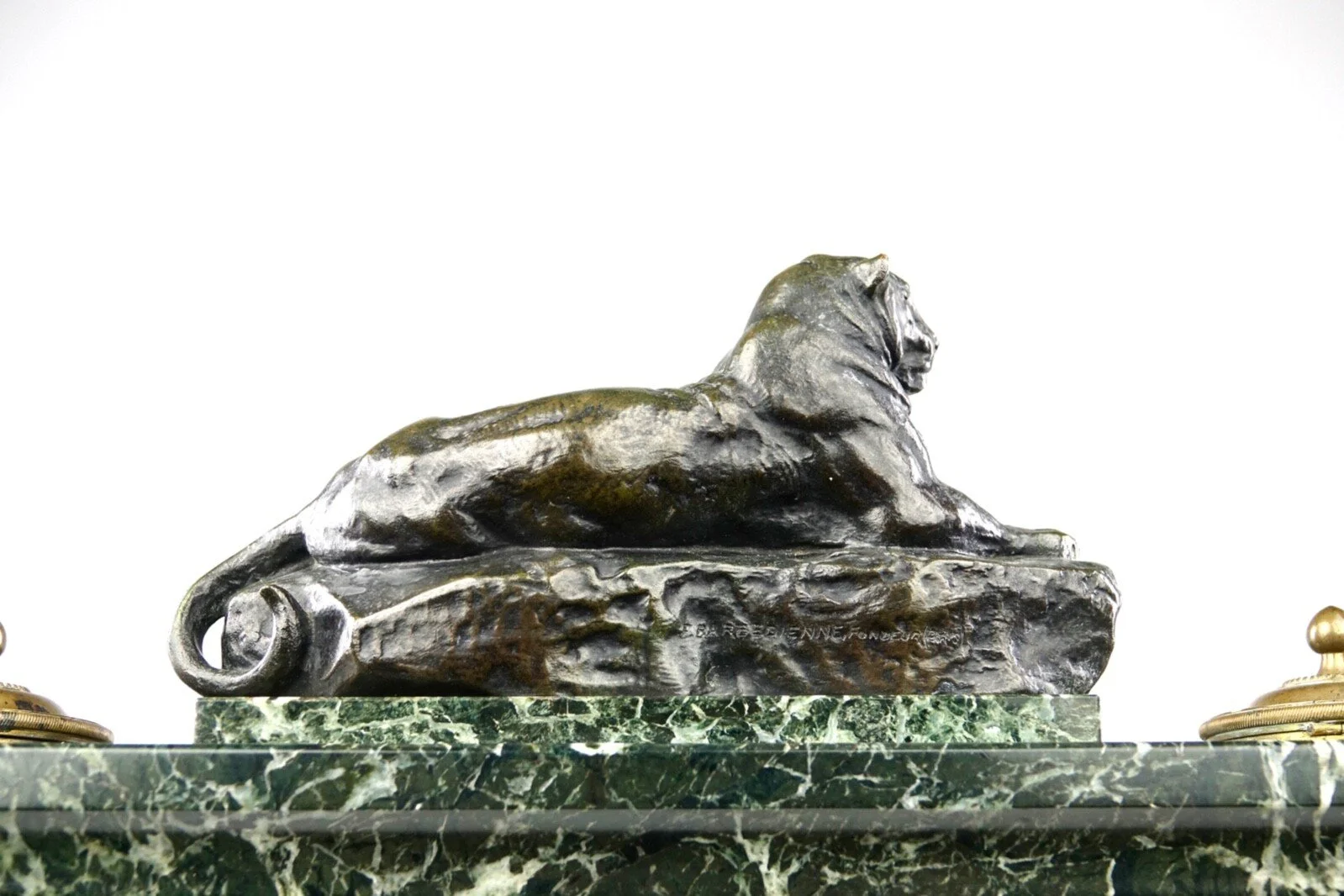 Image 14 of 19
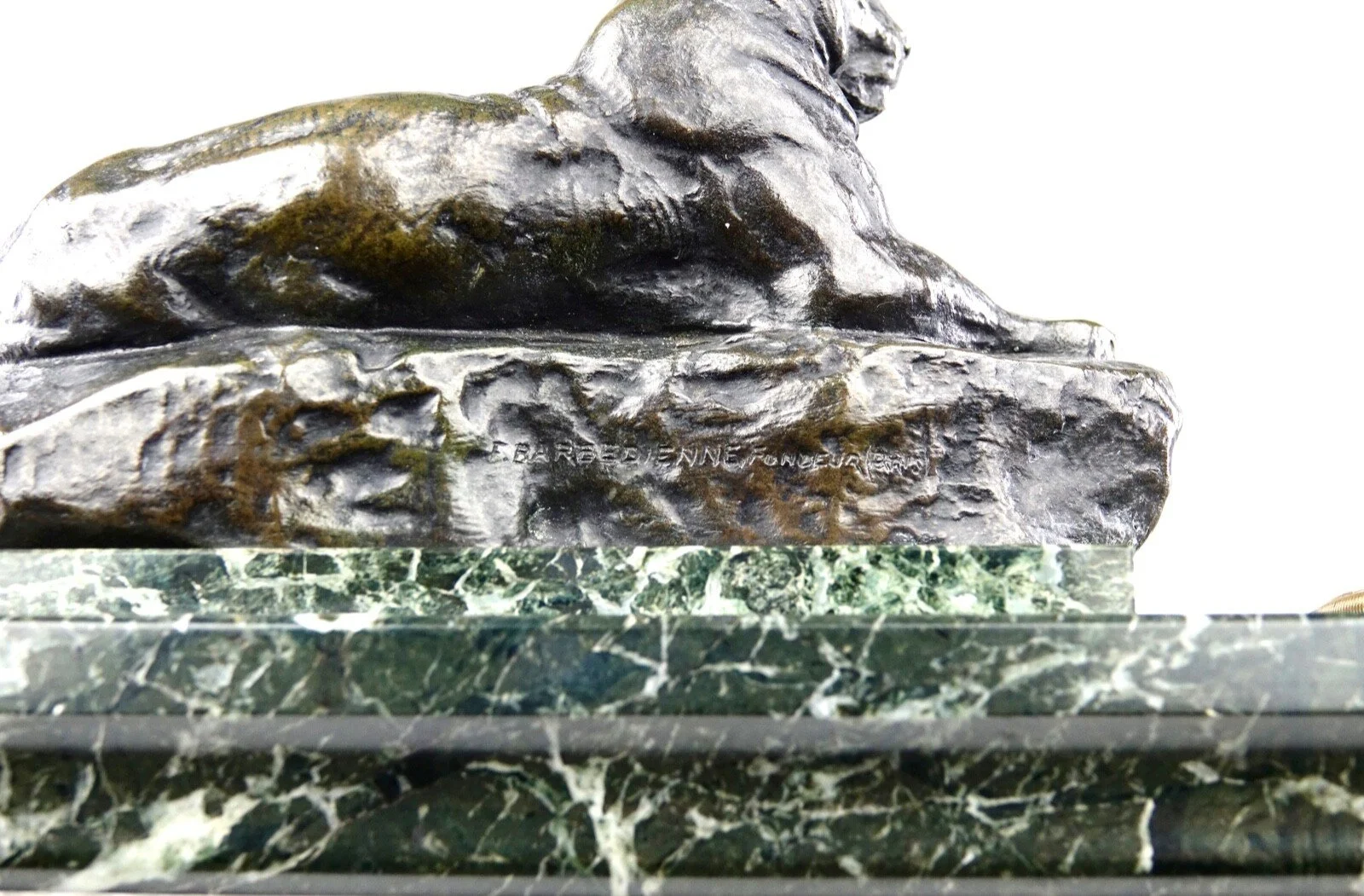 Image 15 of 19
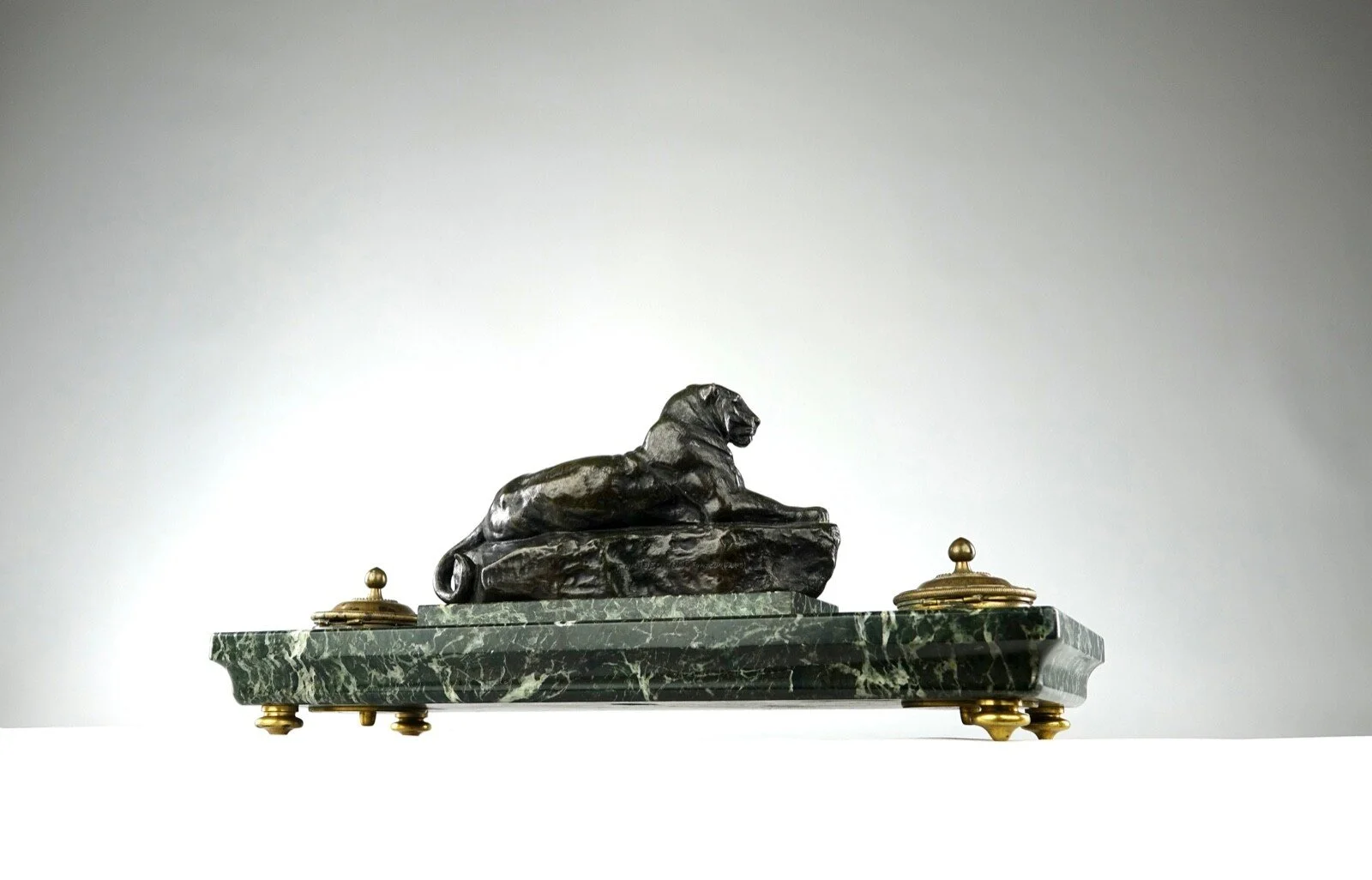 Image 16 of 19
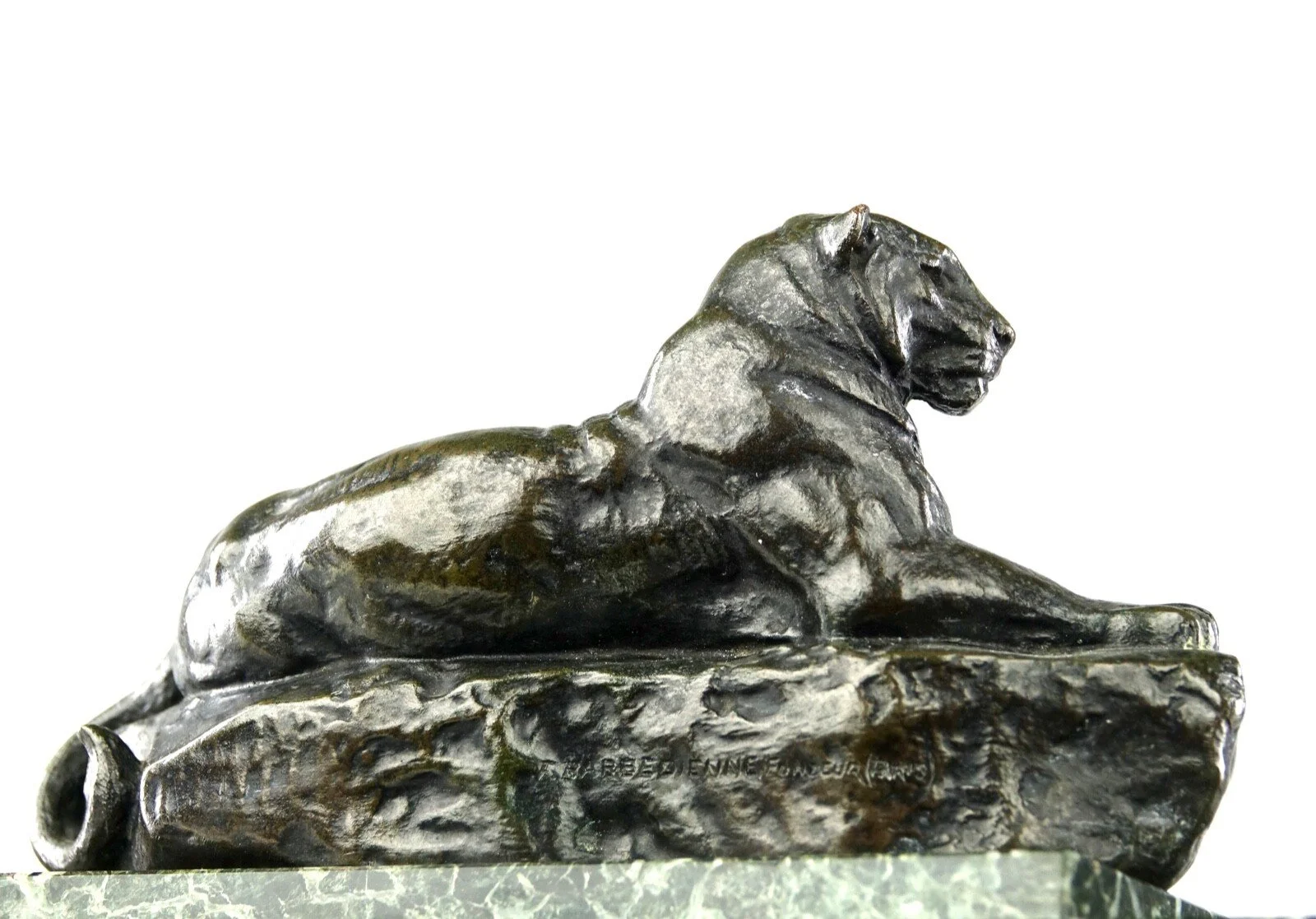 Image 17 of 19
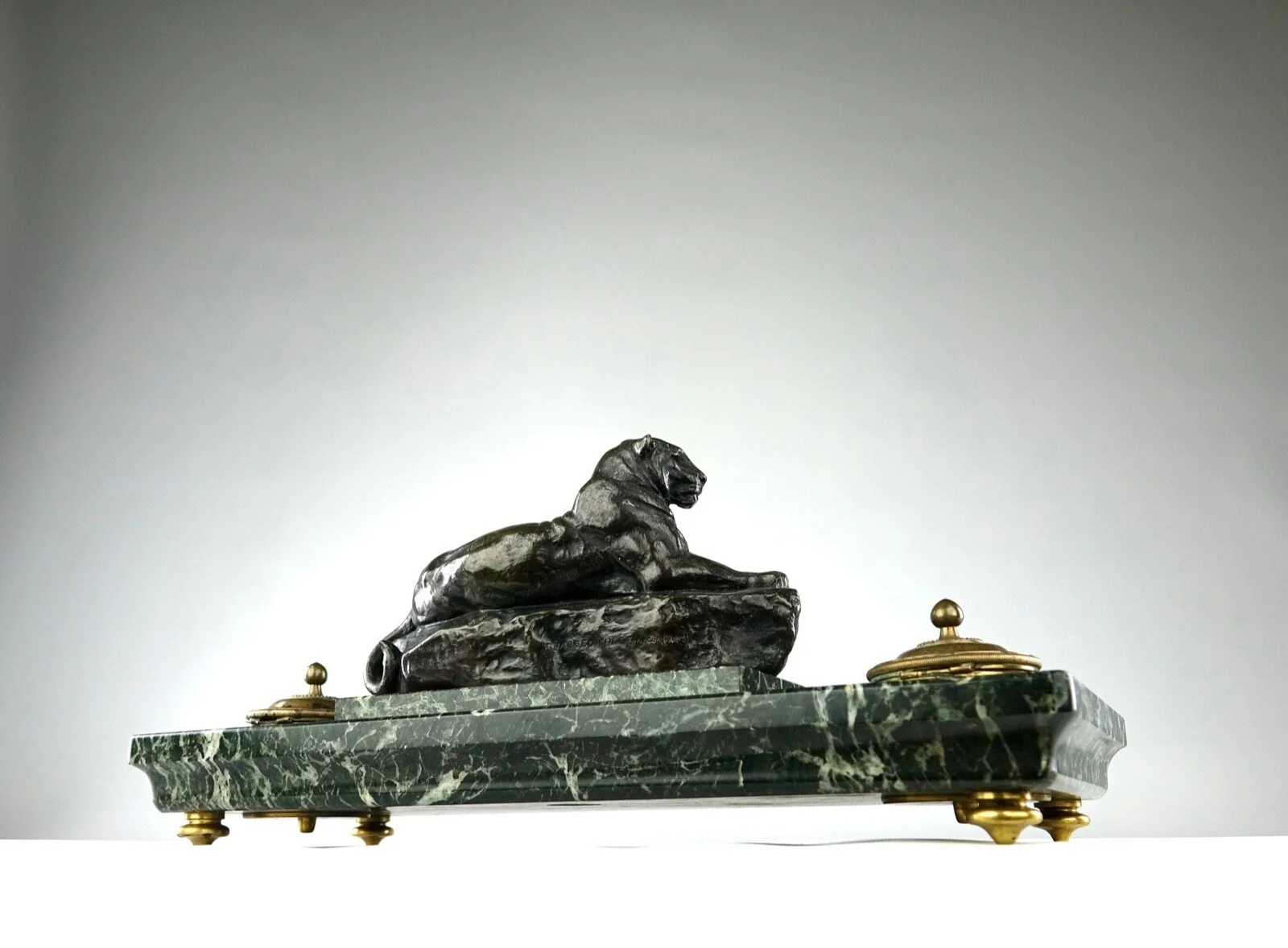 Image 18 of 19
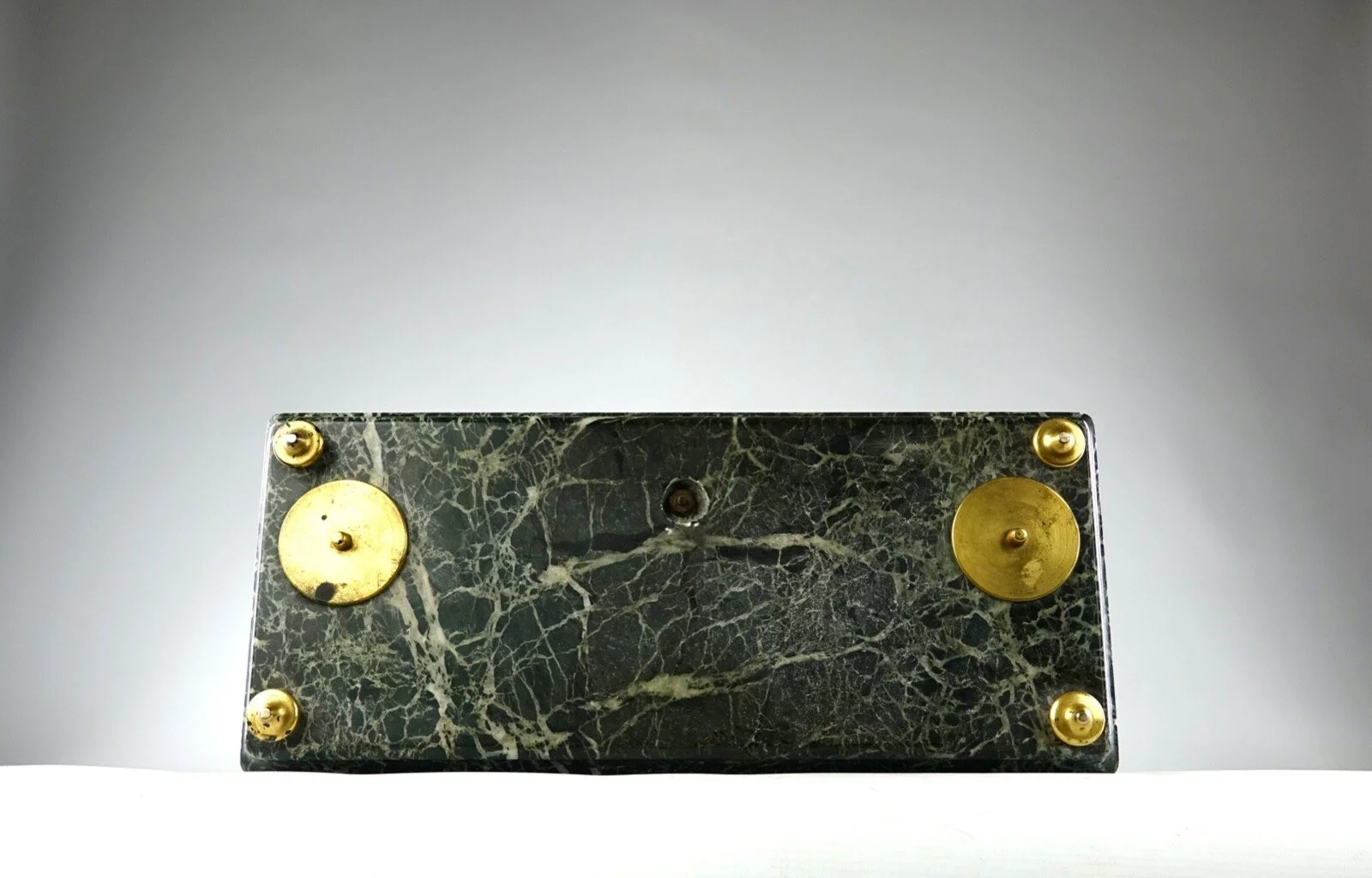 Image 19 of 19